

Betty Bossi

Initially I assumed that Betty Bossi was some sort of domestic celebrity—a Swiss version of Martha Stewart. The shelves of Swiss houses are lined with her cookbooks and one of the two big chain supermarkets, Coop, uses her name on everything from orange juice to ravioli. However, like her American namesake, Betty Crocker, Betty Bossi is a fictional character.

She was created by ad copywriter Emmi Creola-Maag for Unilever and was initially used to help sell margarine to the butter-friendly Swiss. This took form in 1956 as a magazine style leaflet called the Betty Bossi Post, which attempted to answer the eternal question ‘What Shall I Cook Today?’. French on one side and German on the other, the leaflet was so popular that it grew into a full magazine, and then a recipe book.
I don’t have statistics on its success rate, but judging from some of the information from today’s butter lobby, the struggle continues. Check out the information provided by BO Butter on what goes into butter vs margarine. Similar information is found on the Swiss Milk page.

Butter is healthy... so says this hand painted butter dish found at a local Brocki.
In 1977 Betty Bossi split from Unilever and it became its own, separate publishing company. The brand continued to expand, publishing countless cookbooks and expanding into TV and radio, as well as recipe development and convenience foods.
Today Betty Bossi is one of the dominant authorities on Swiss cuisine, especially for the home cook.
For more information on the history of the brand, as well as great recipes and numerous superfluous kitchen gadgets, see here: http://www.bettybossi.ch/de (German and French).
My numerous Betty Bossi inspired recipes:
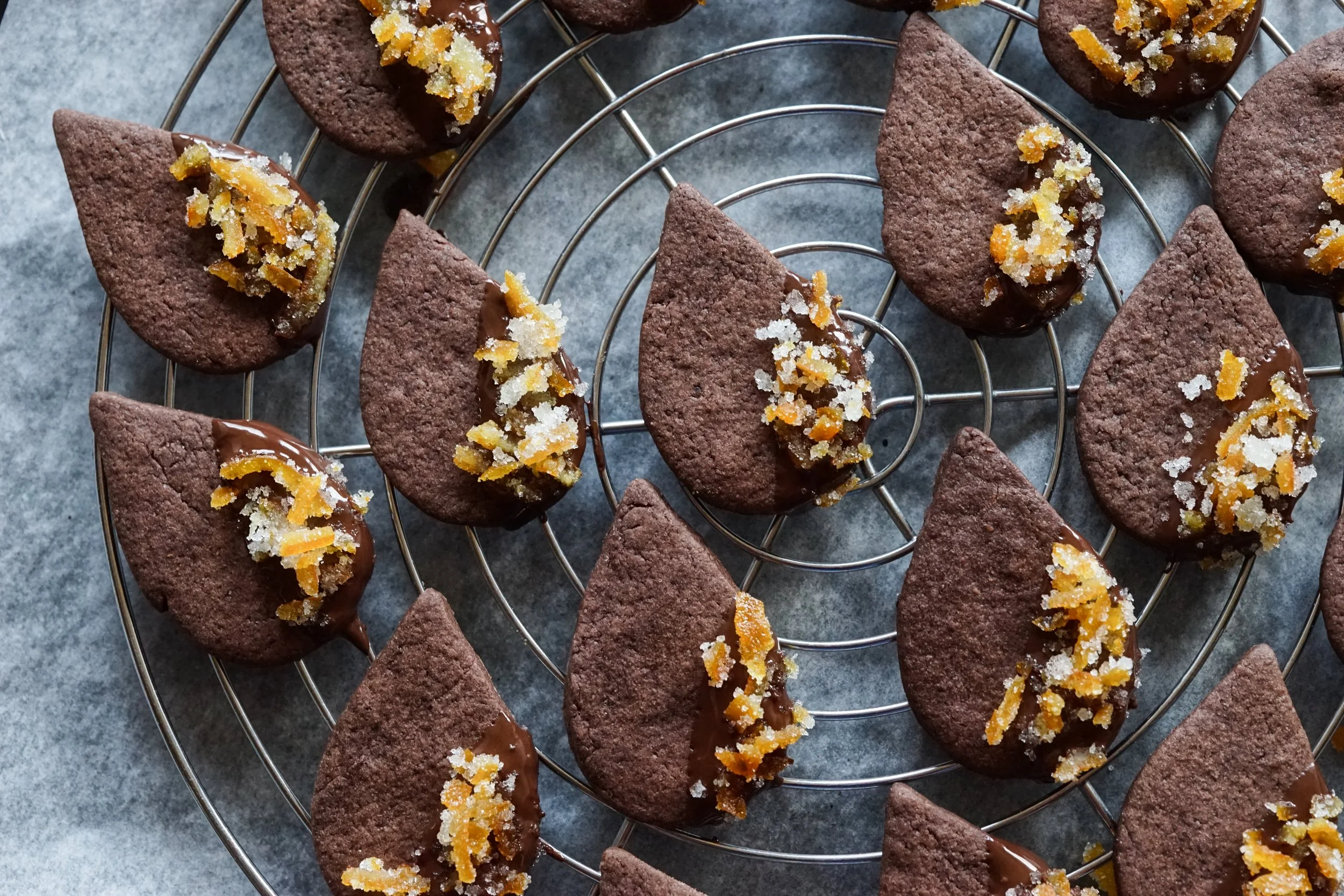
Schoggi Tropfen
These sparkly holiday cookies are made especially tender by exclusively using spelt flour.
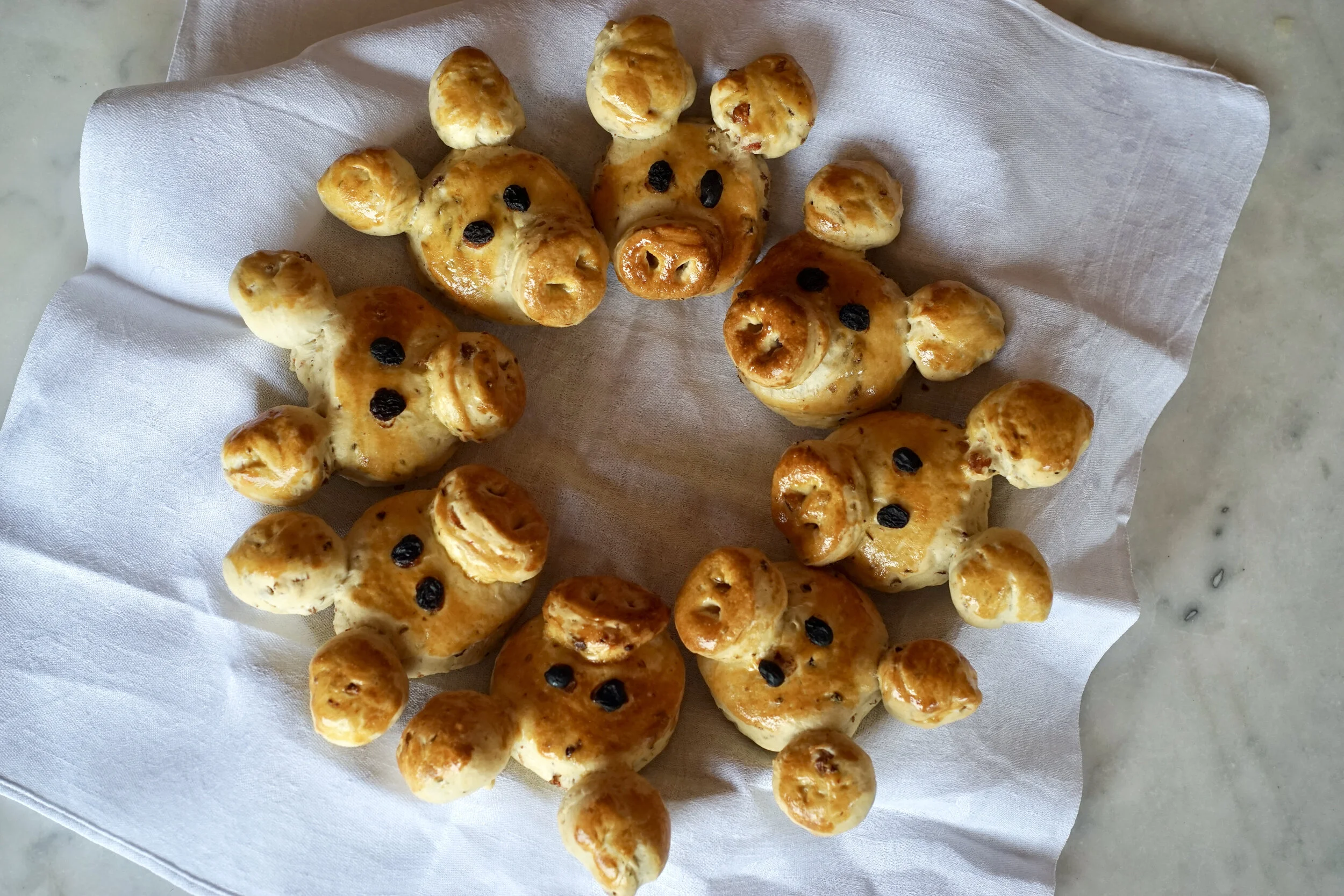
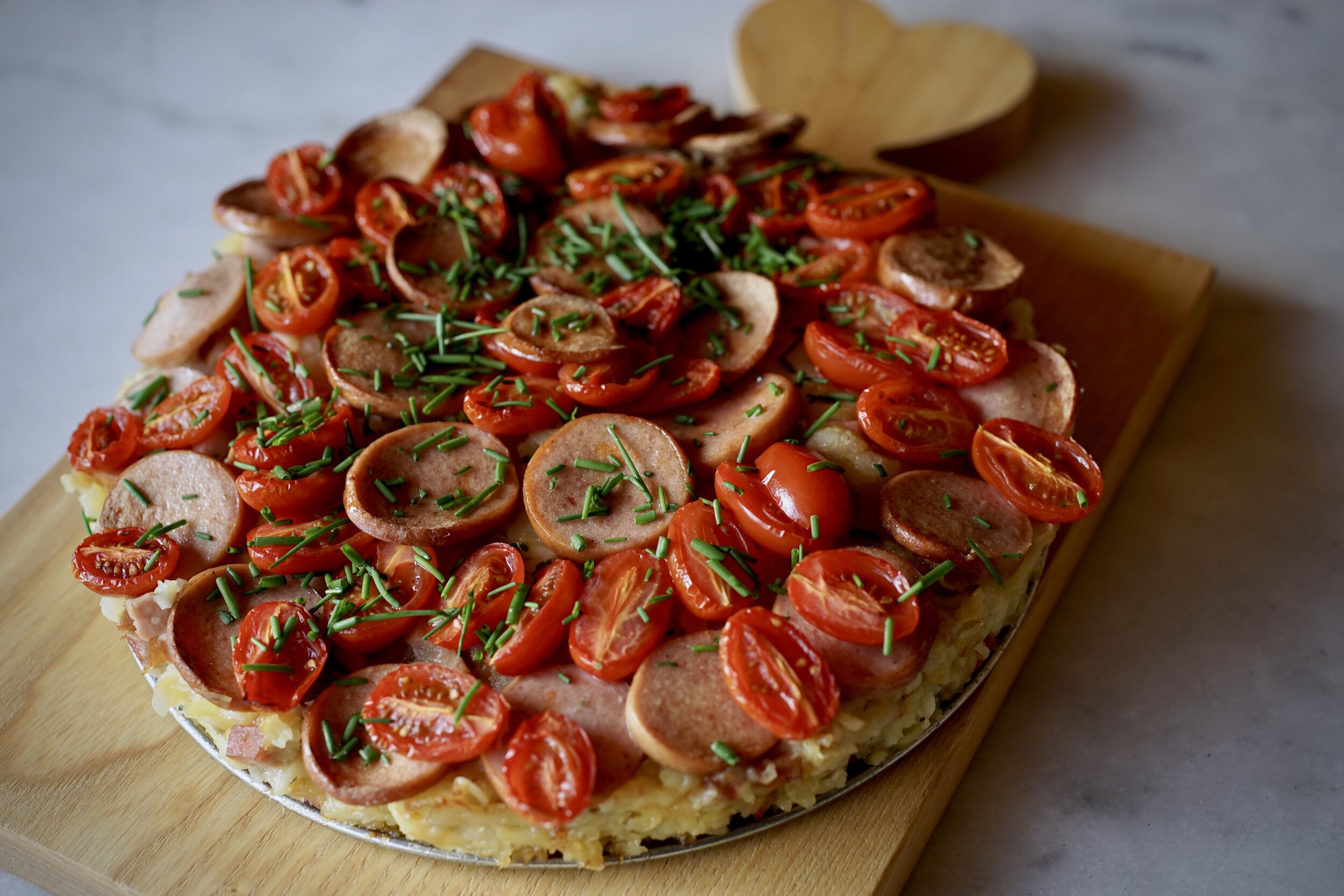
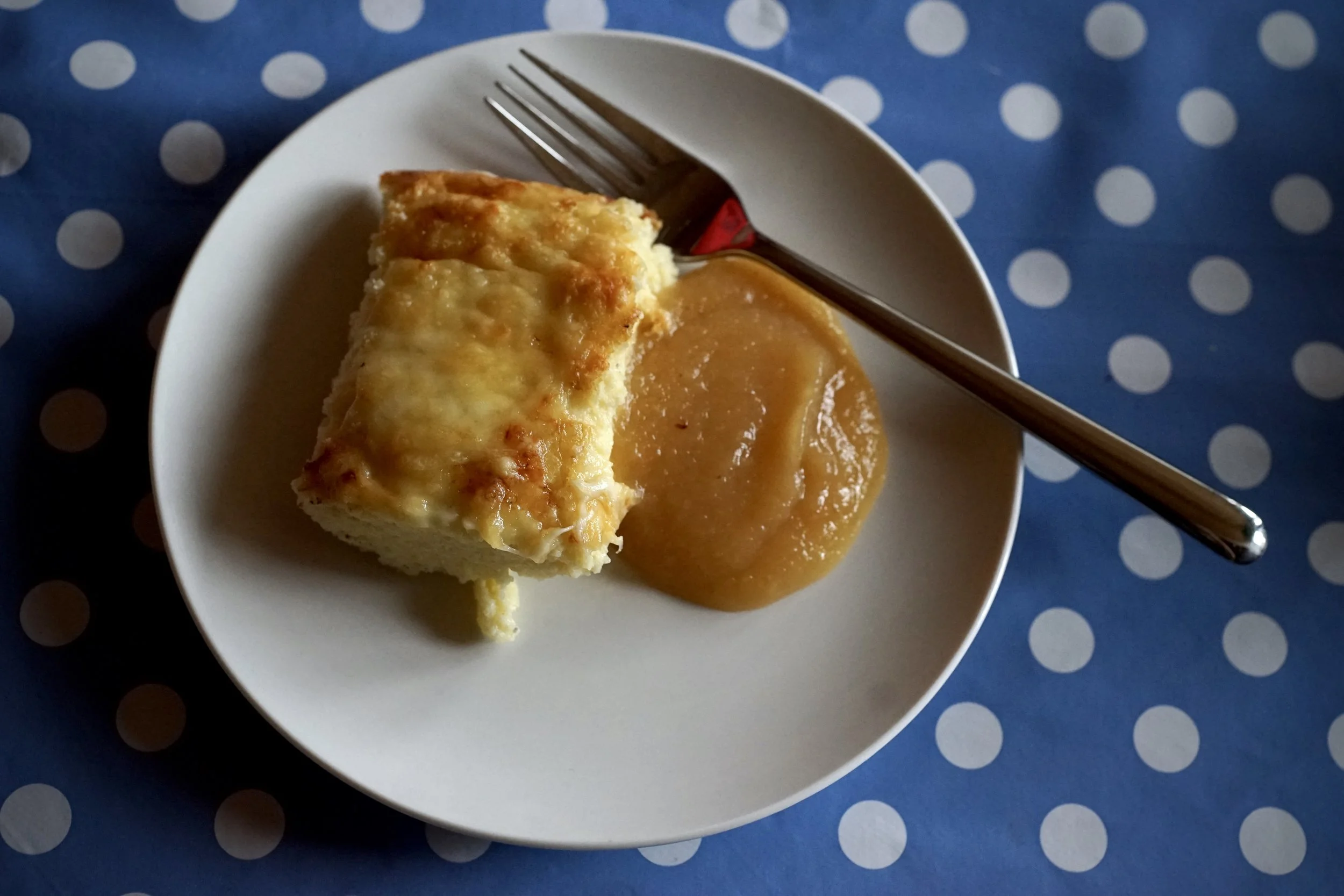
Griessschnitten
A cheesy classic from my mother-in-law’s kitchen and my husband’s favourite meal from childhood.
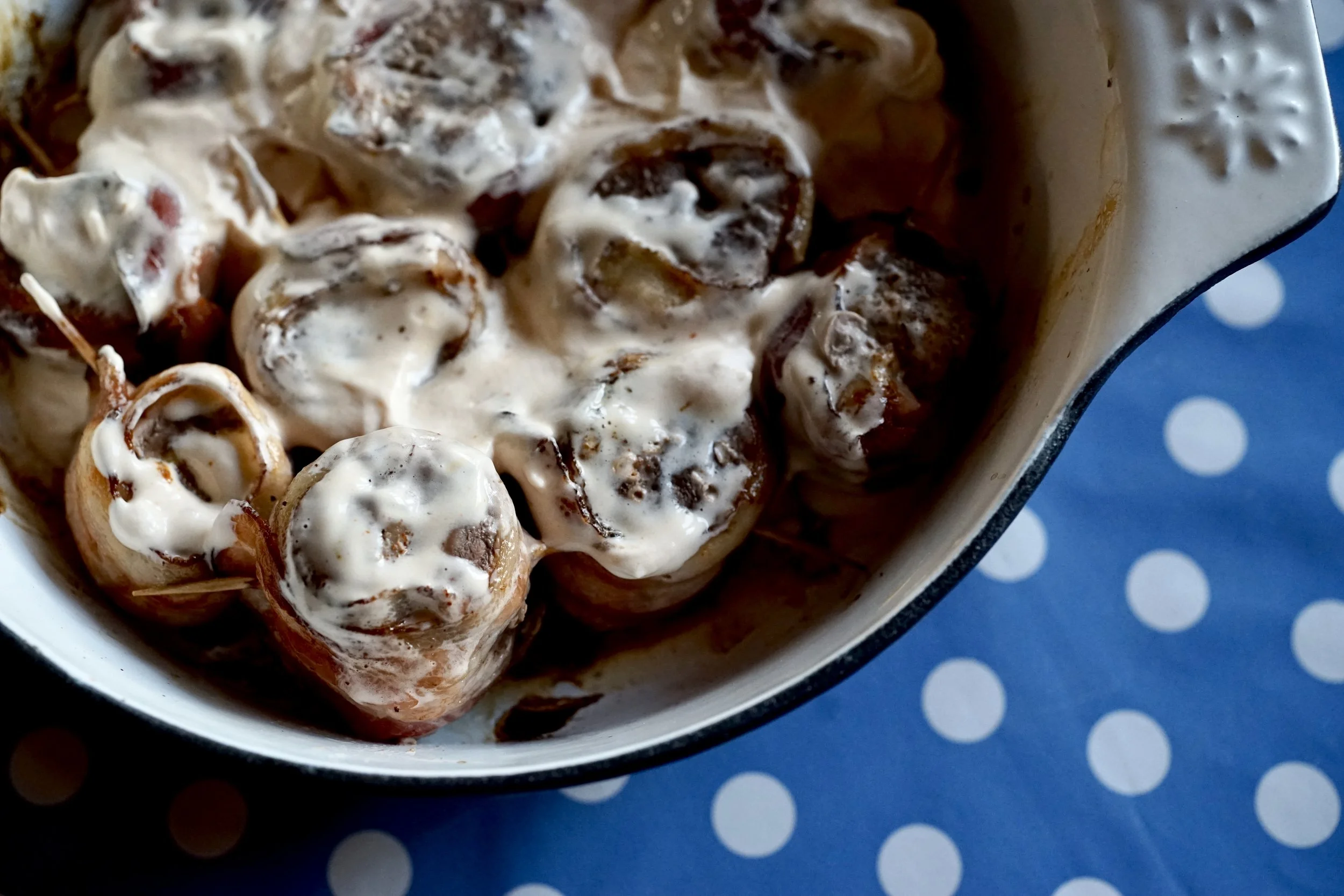
Party Filet
The recipe for this dish was first published in the 1977 Betty Bossi cookbook Kochen für Gäste and upon publication all the pork tenderloin in Switzerland was sold out.
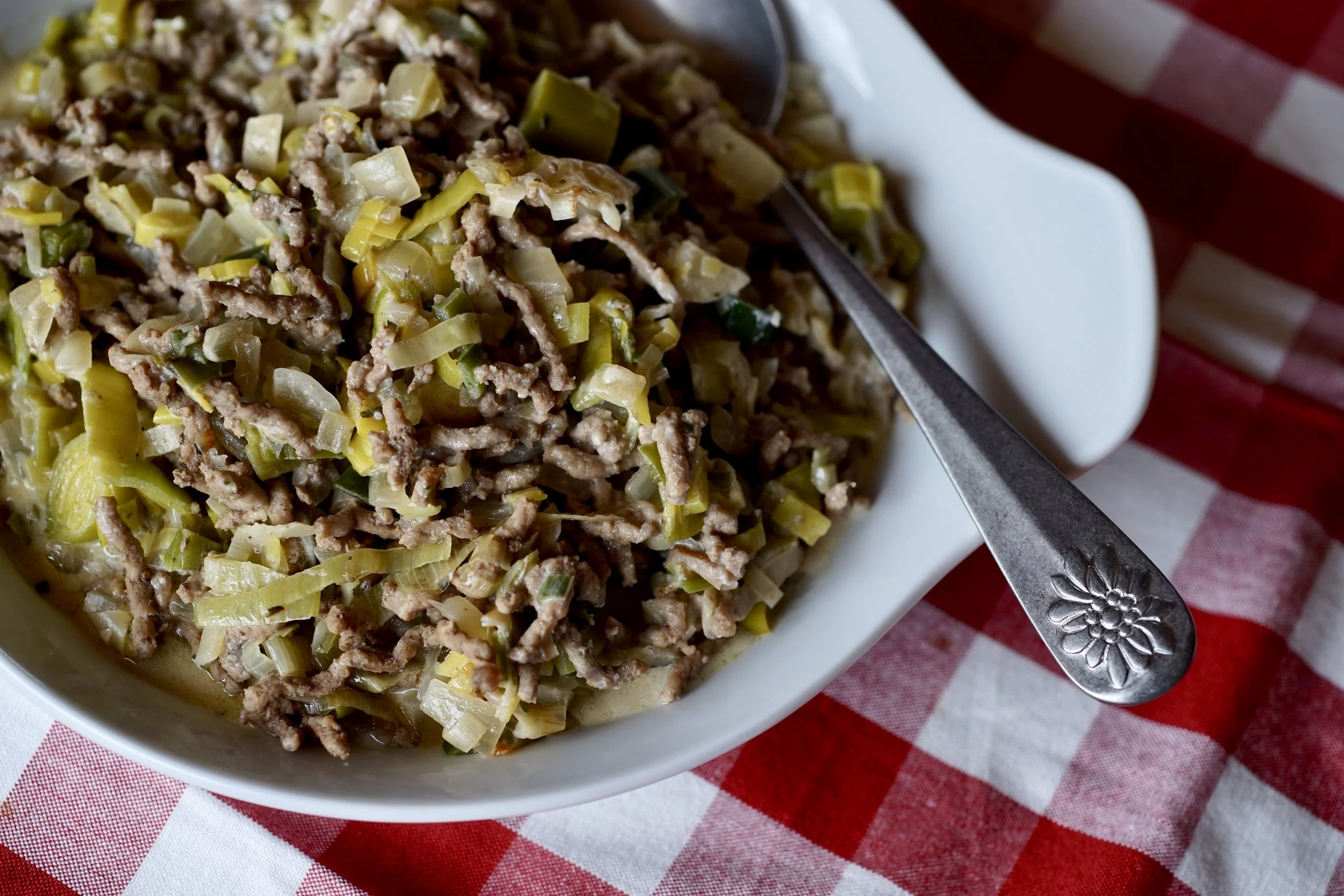
Benediktiner Eintopf
This beefy dish comes from Einsiedeln, home to a famous abbey—and Switzerland’s most famous alchemist.
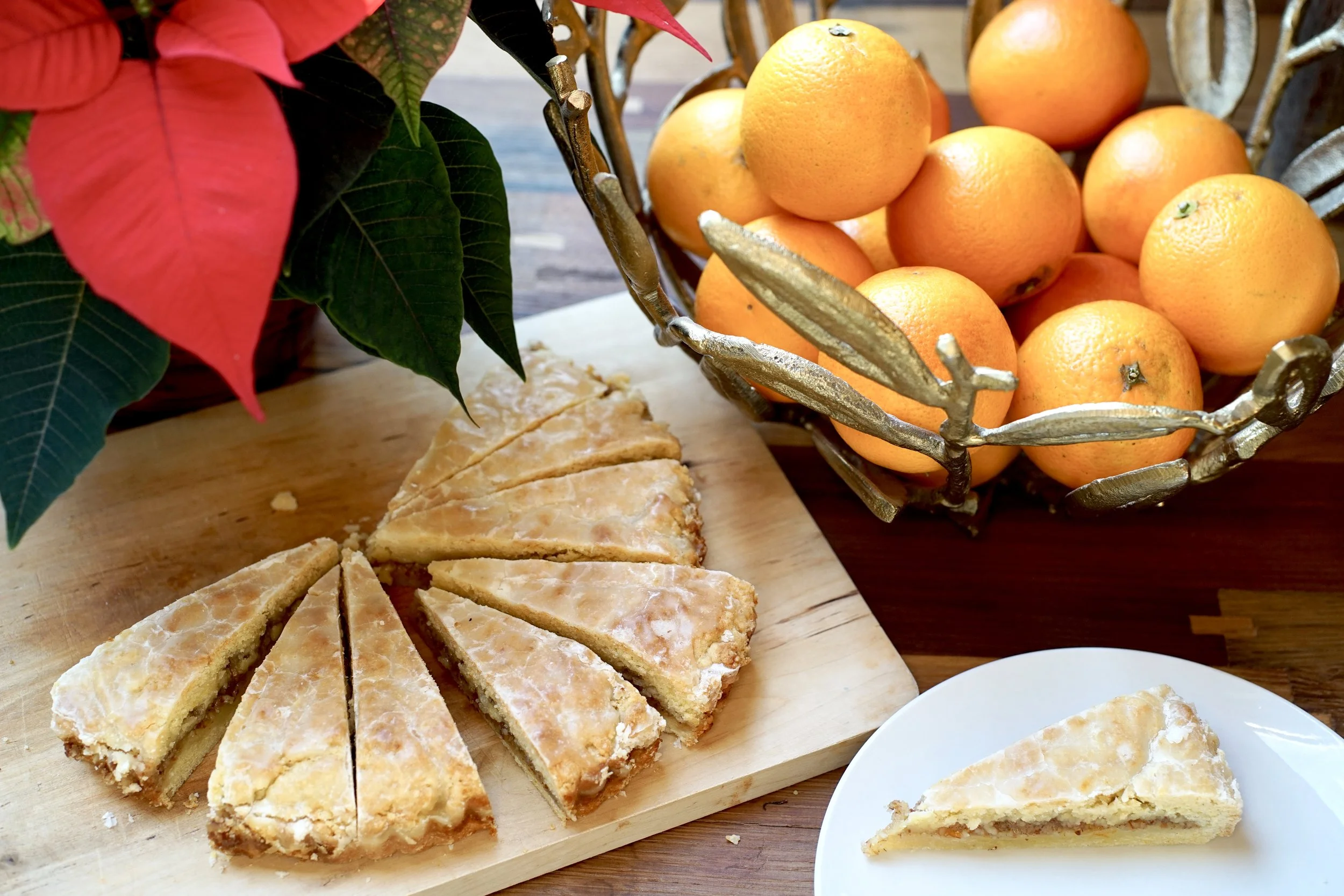
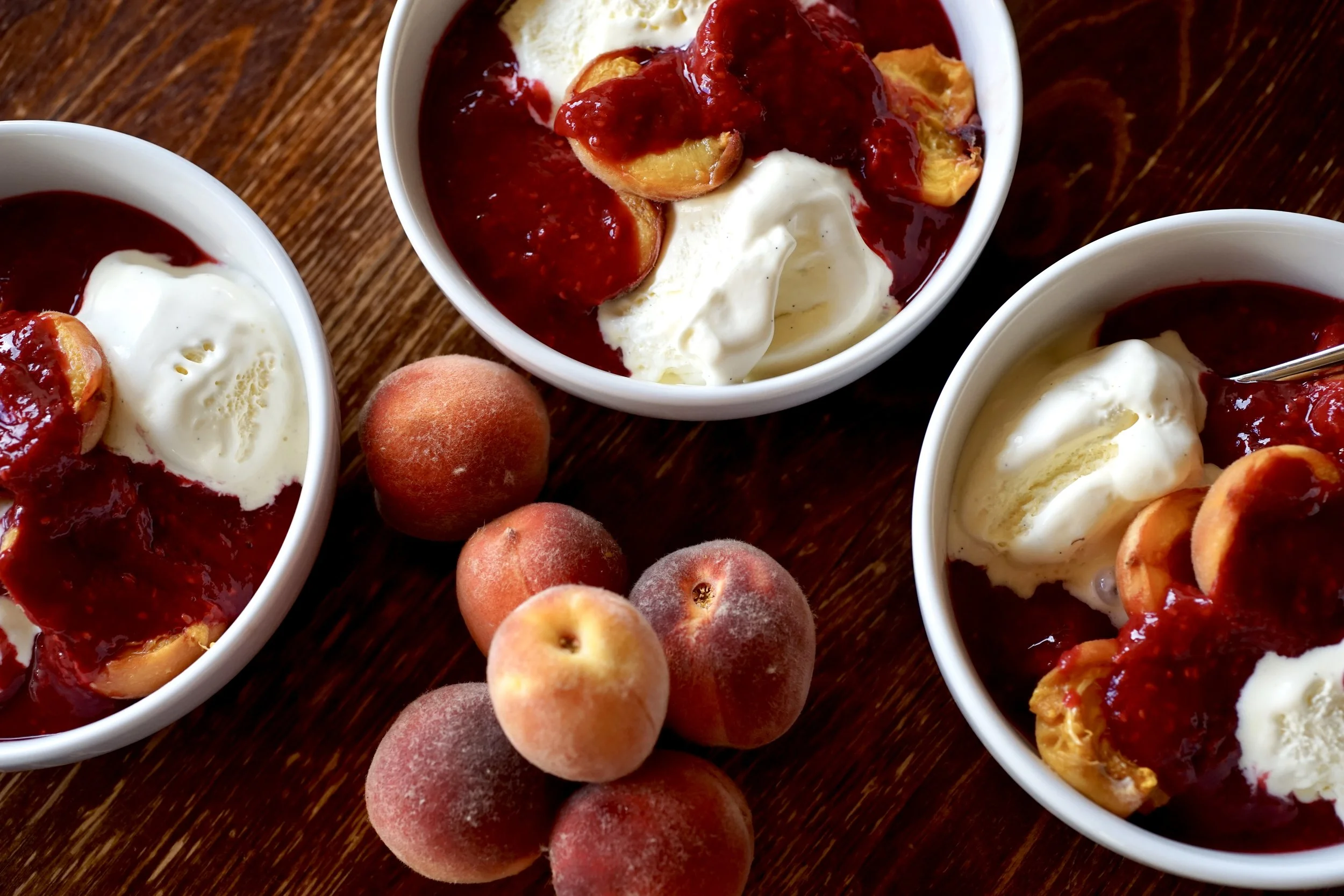
Peach Melba
Although Peach Melba itself isn't Swiss, it was a famous partnership between Swiss hotelier Cesar Ritz and famous French chef Auguste Escoffier that enabled its creation.
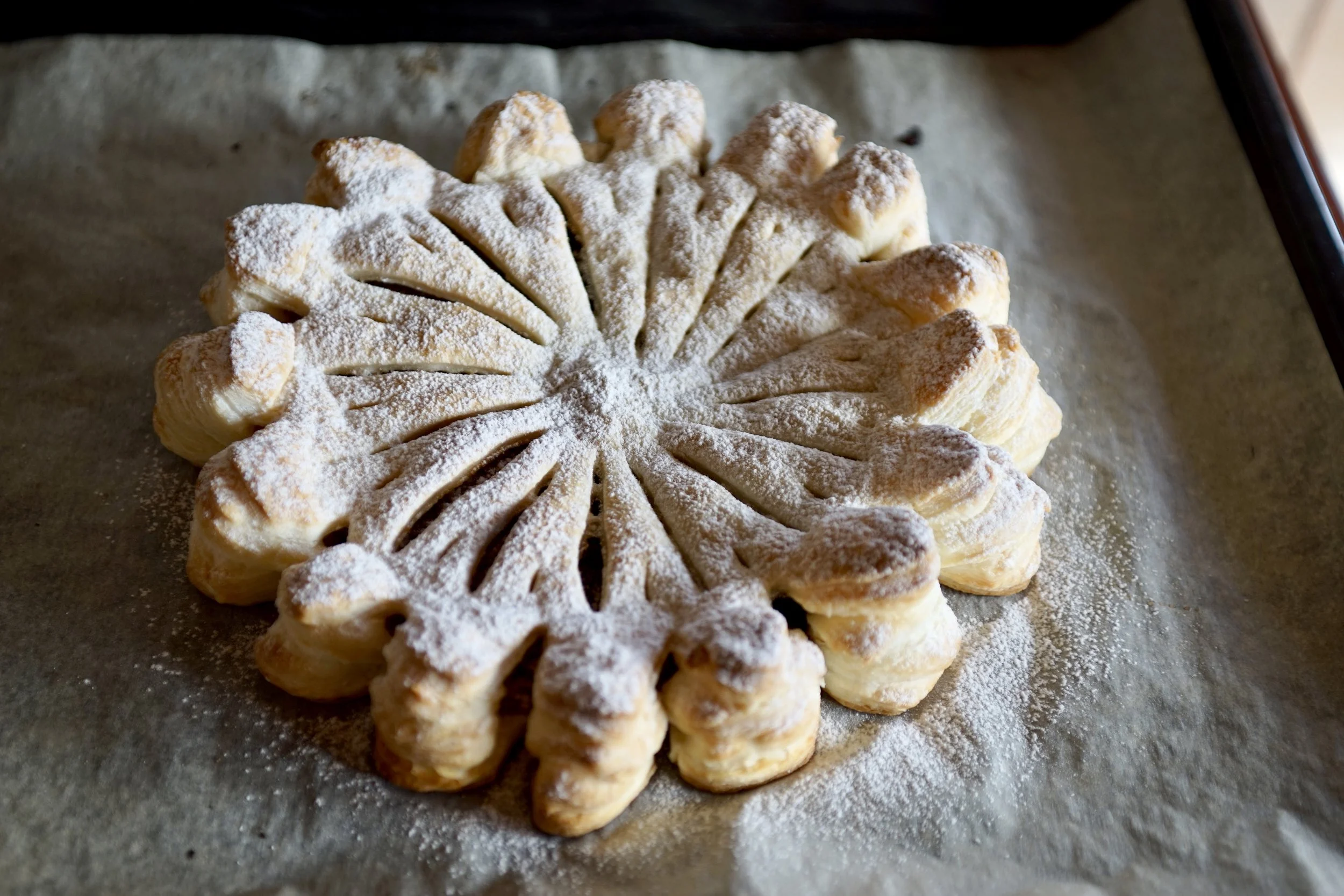
Glarner Pastete
What better way to celebrate St Fridolin, patron saint of Glaurs, than with the flaky, double stuffed puff pastry Glarner Pastete? Half filled with plums and half with almond paste, it's beloved in the canton and made in numerous bakeries throughout the region.

Chocolate Orange Roundies
Part of the second-tier of Swiss Christmas cookies and ever present on my mother-in-law’s cookie tray.
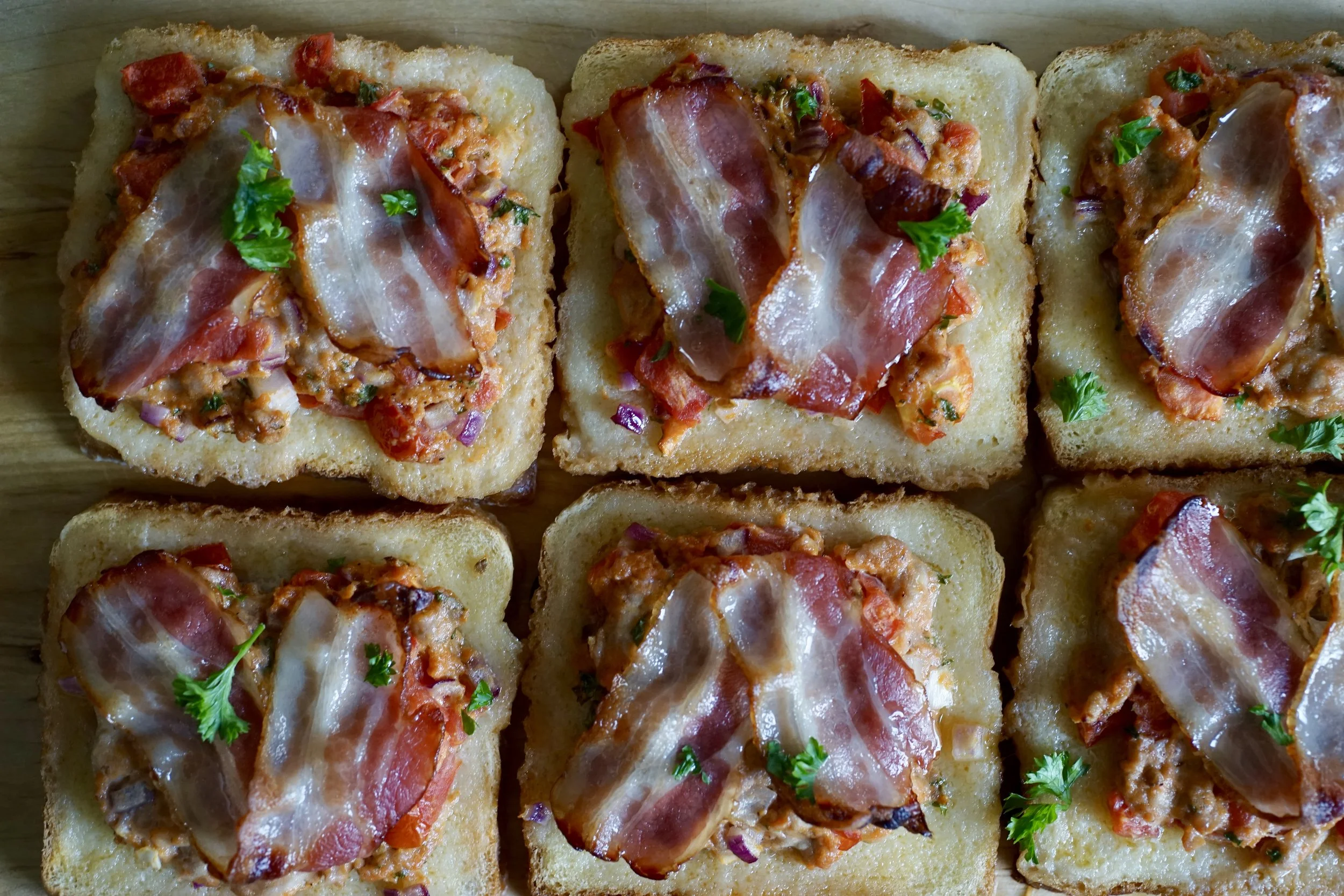
Brätschnitten
I often have a difficult time ordering Brät at the butcher's, as I find it really hard to pronounce in Swiss German.
"Brät, bitte"
"Brot?"
"Nein, Brät."
"Brie?"
"Nein, Brääät."
"Oh, Brät!"
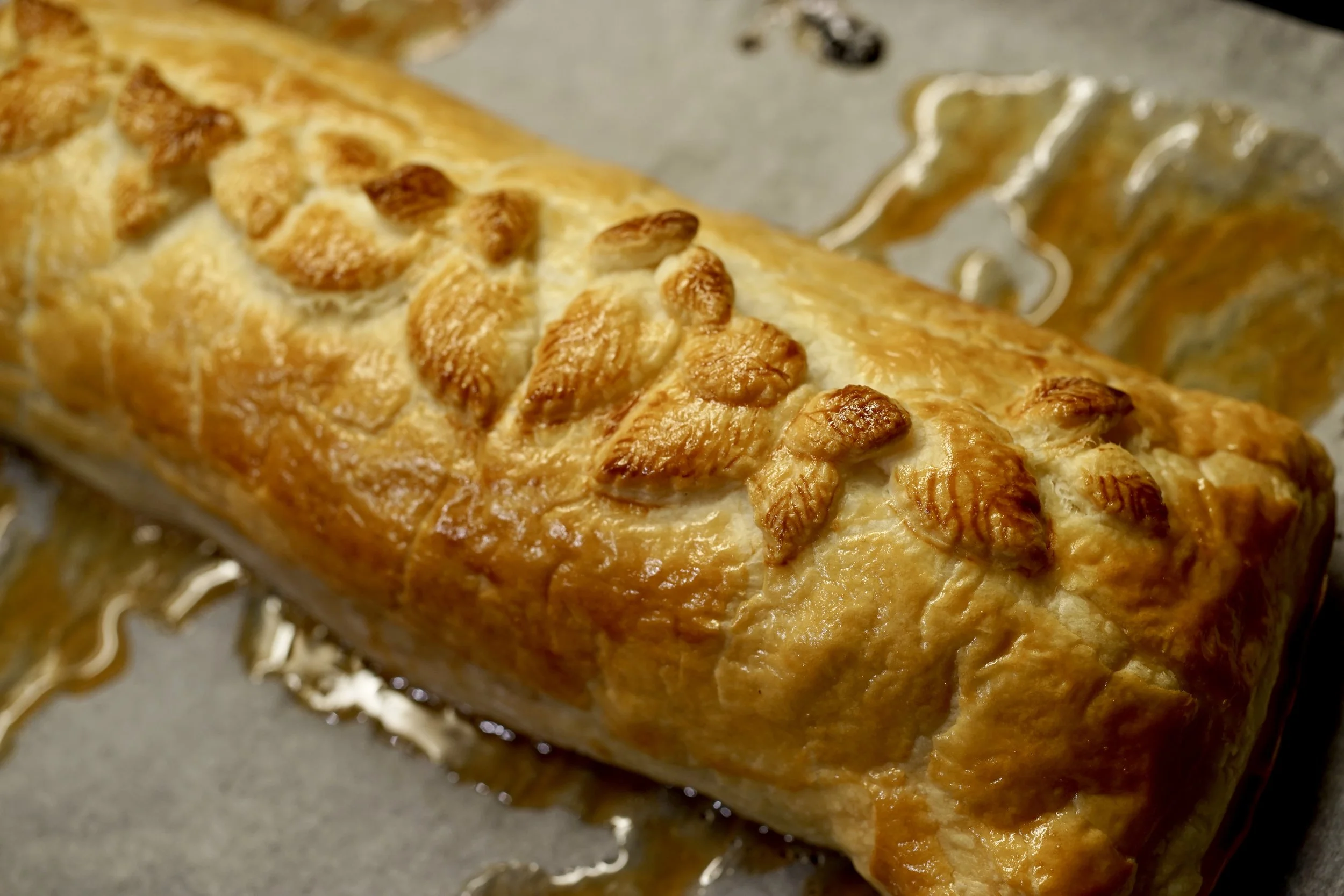
Josy's Tenderloin
Josy, my mother-in-law, makes the very best pork tenderloin. She studs it with prunes, then wraps it in bacon and puff pastry. It's divine.
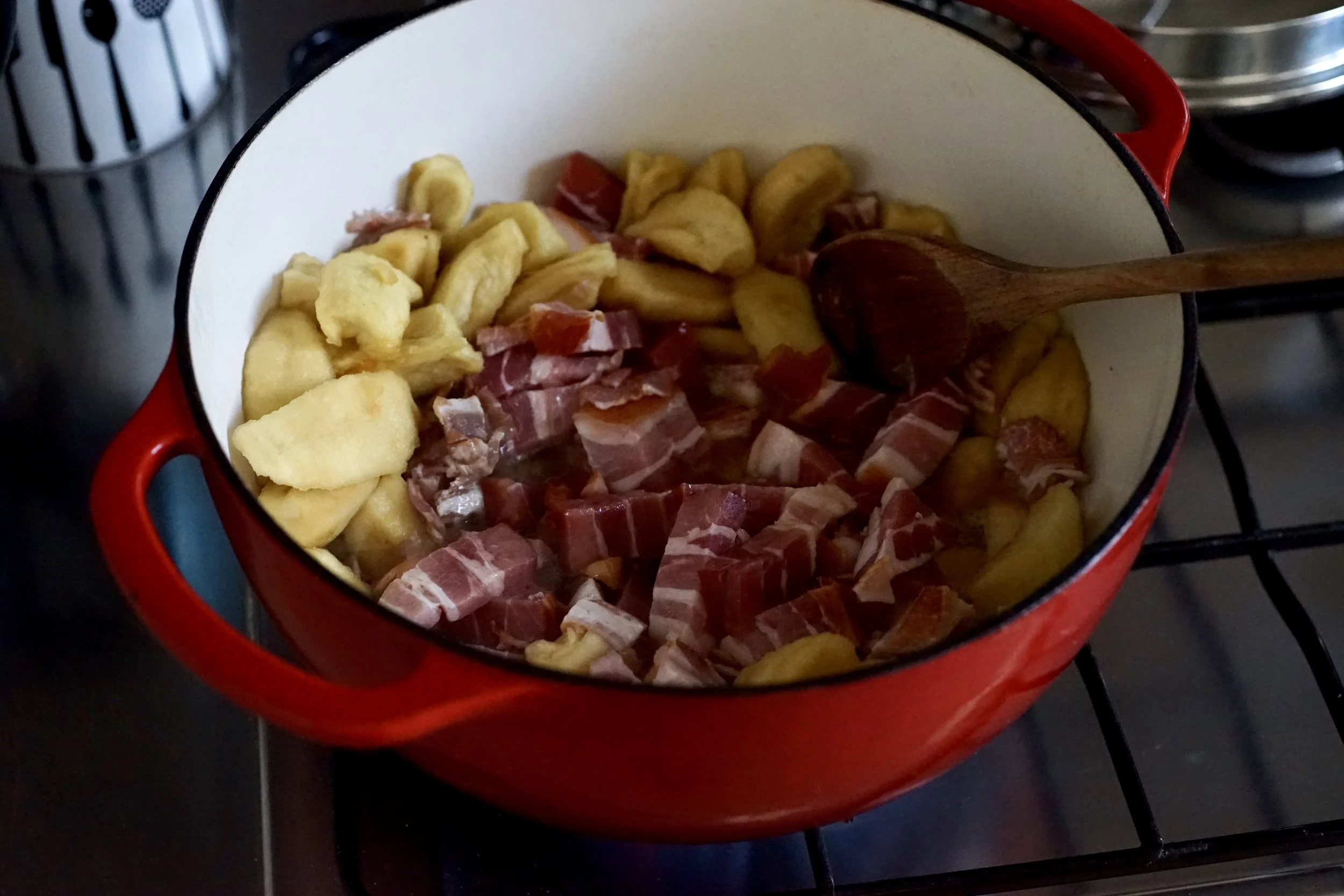
Schnitz und Drunder
The name Schnitz und Drunder (which to me evokes a metal song or German comedy duo) varies from region to region, but the contents are basically the same—potatoes, dried fruit, and often bacon or smoked meat.
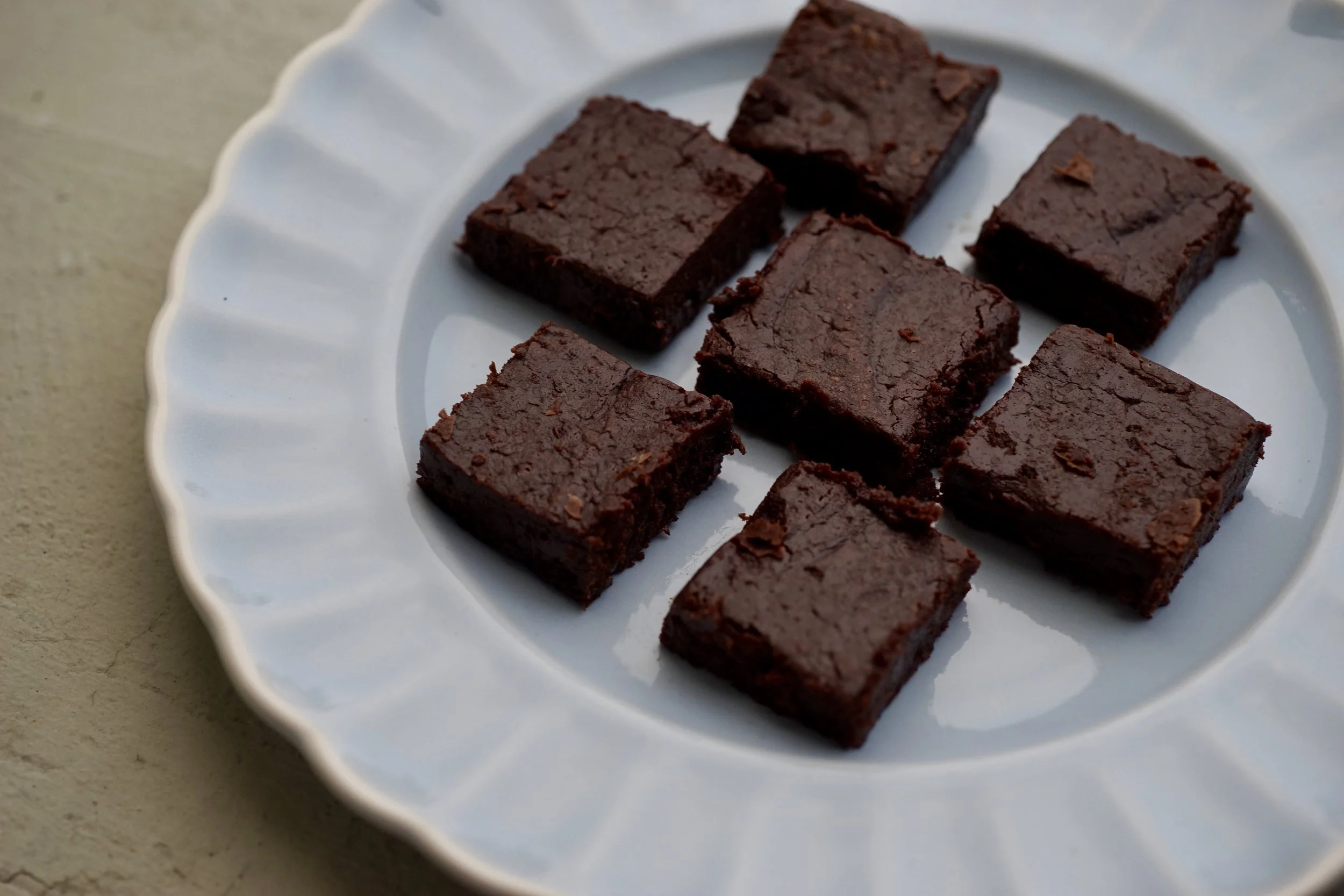
Basler Schoggitorf
I was pretty convinced that Switzerland could not do brownies—but that was before I found a recipe for Basler Schoggitorf.
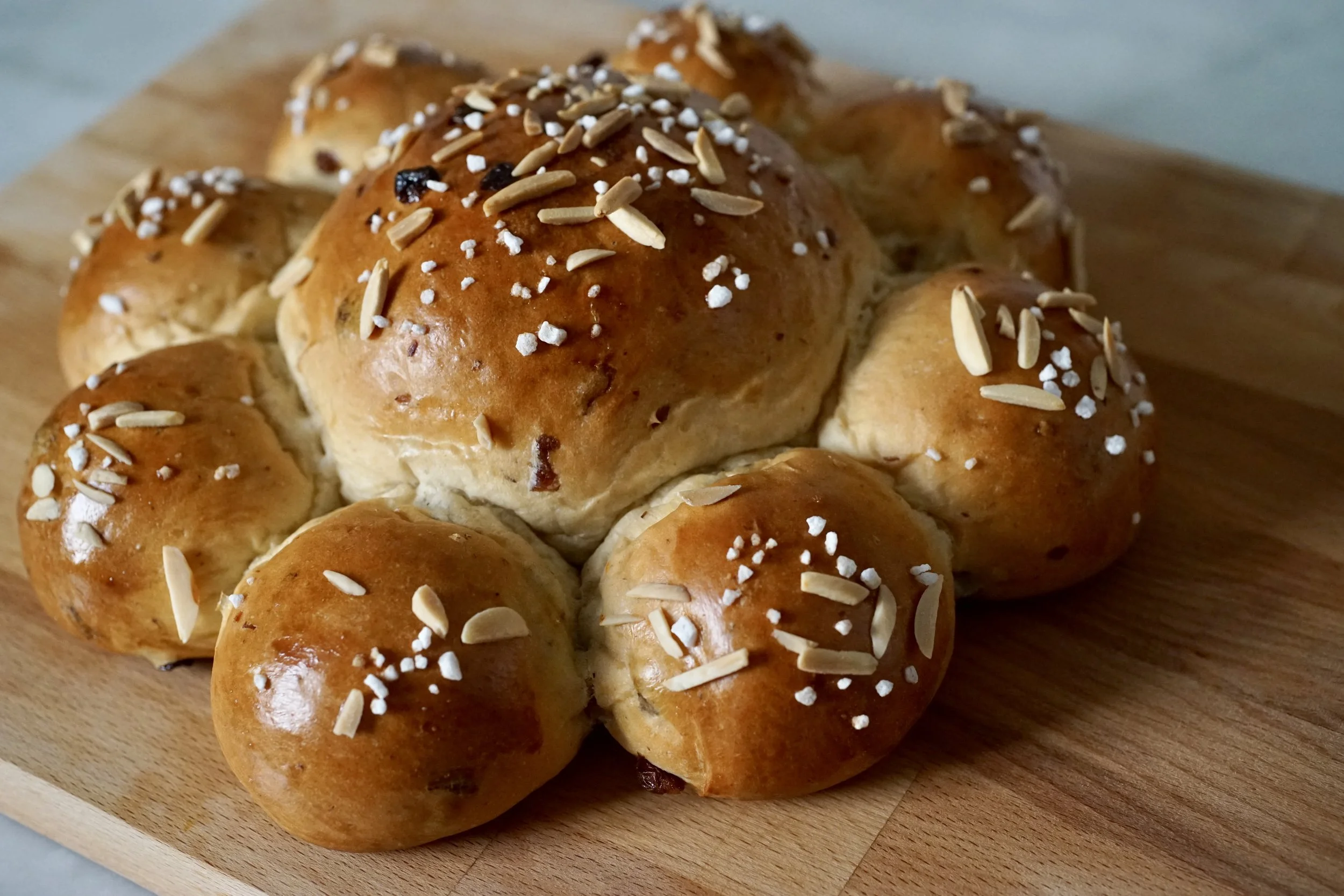
Dreikönigskuchen
Swiss families celebrate the sixth of January, Epiphany, by eating Dreikönigskuchen. This holiday celebrates the three kings finally reaching Bethlehem, and so a small plastic king figurine is baked into the bread. Whoever finds it is king for the day.

Fondue Chinoise
In Switzerland there typically isn't a set food to eat during the holidays, but somewhere between Christmas and New Year most Swiss families eat a fondue. Whether Cheese or Chinoise, forks are dipped.

Wurstsalat
This "salad" hardly needs a recipe. It is basically just sausage and cheese with a mayo infused vinaigrette. But there is something so comforting and classically Swiss about it. It is perfect as a quick dinner after a day at the pool or lake, something cool and simple, but still relatively hearty.

Arbeiter Cordon Bleu
At one time this Arbeiter (worker) version of Cordon Bleu was the only way for lower classes, who could not afford more expensive meats like veal, to make this perennial favourite. Today it is a favourite for anyone who loves sausages and melted cheese (yes, please).
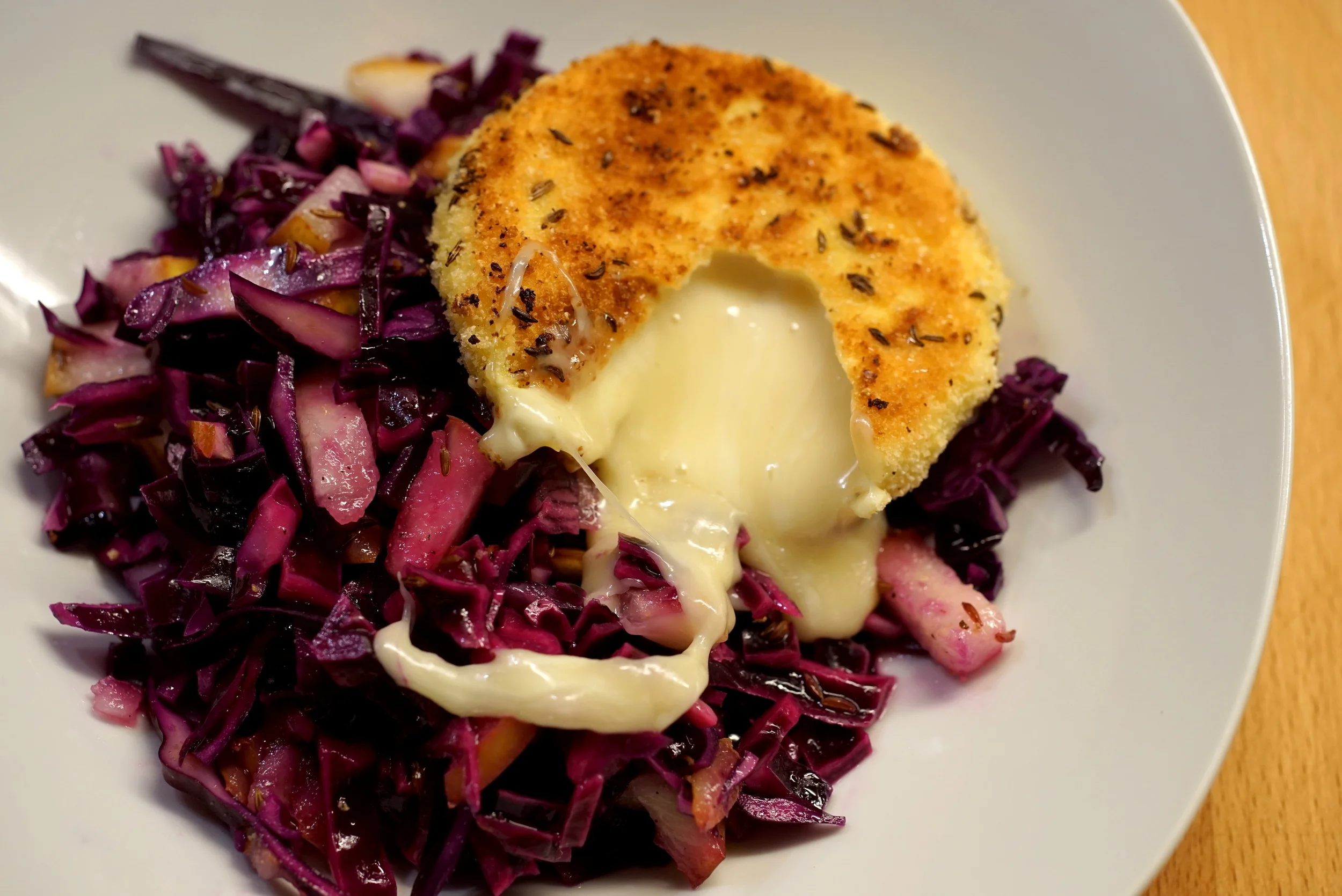
Gooey Tomme and Cabbage Salad
Tomme vaudoise is a mild cheese produced in the Western part of Switzerland, sort of a small brie. The inside is creamy and mild, and the rind has a pungent, rustic taste.
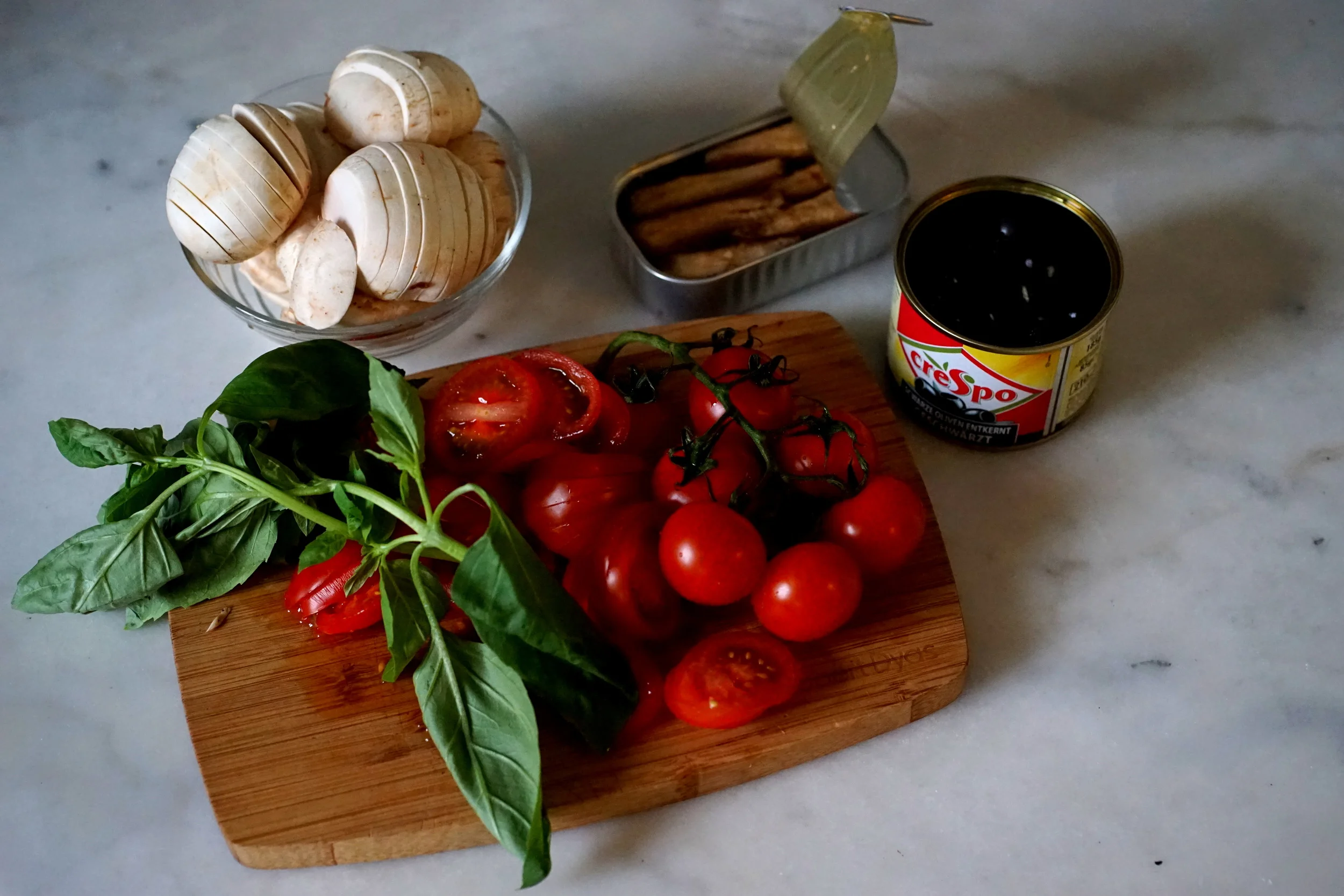
Maispizza
This recipe for Maispizza (Corn pizza), comes from Betty Bossi's everyday recipe book, Alltags Rezepte mit Pfiff. This book, first published in 1975, is full of strange 70s recipes for meatloaf with banana and nostalgic classics, like this pizza.
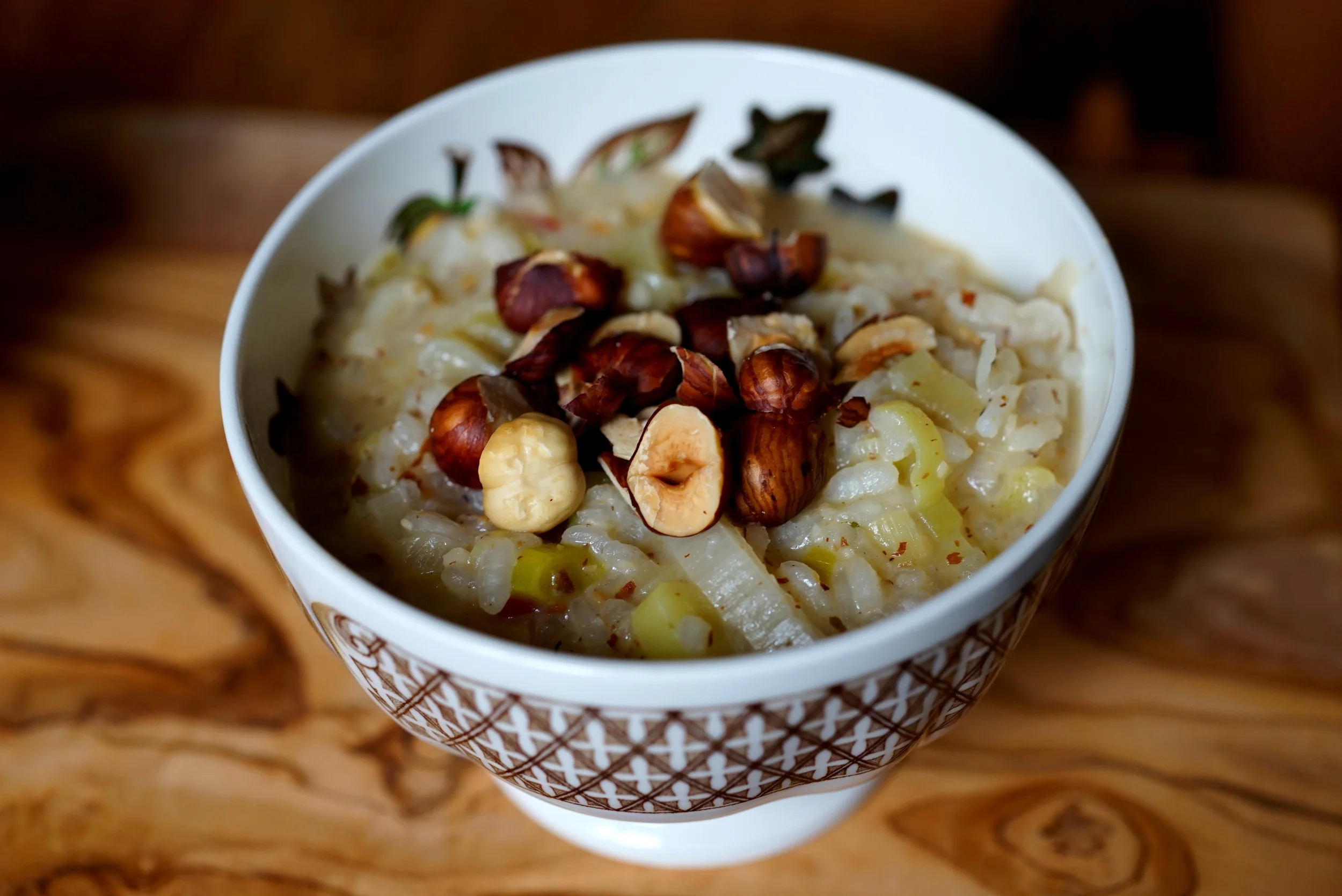
Buttery Leek and Hazelnut Risotto
Flipping through an old Betty Bossi cookbook, I stumbled upon a recipe for a leek and hazelnut tart. I wasn't in the mood to make pastry, but I was intrigued by the combination of leeks and hazelnuts. I decided to give them a whirl as a risotto instead, and the results were delicious.

Basler Mehlsuppe
Another dish to celebrate Fasnacht, here is the warm and bready Basler Mehlsuppe.
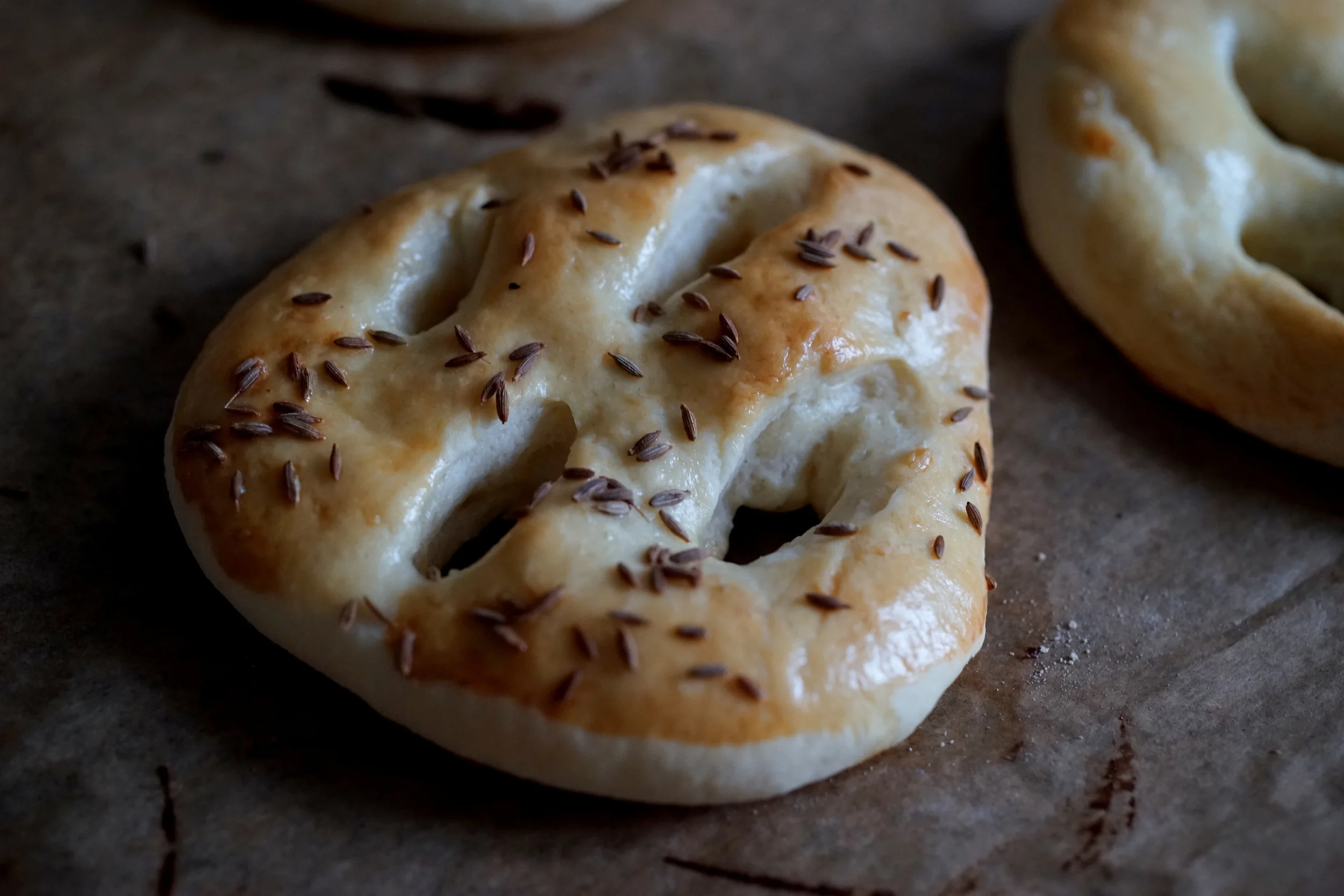
Fastenwähe
These luscious little breads, typically sprinkled with caraway seeds, have always been associated with Fastenzeit, Lent.
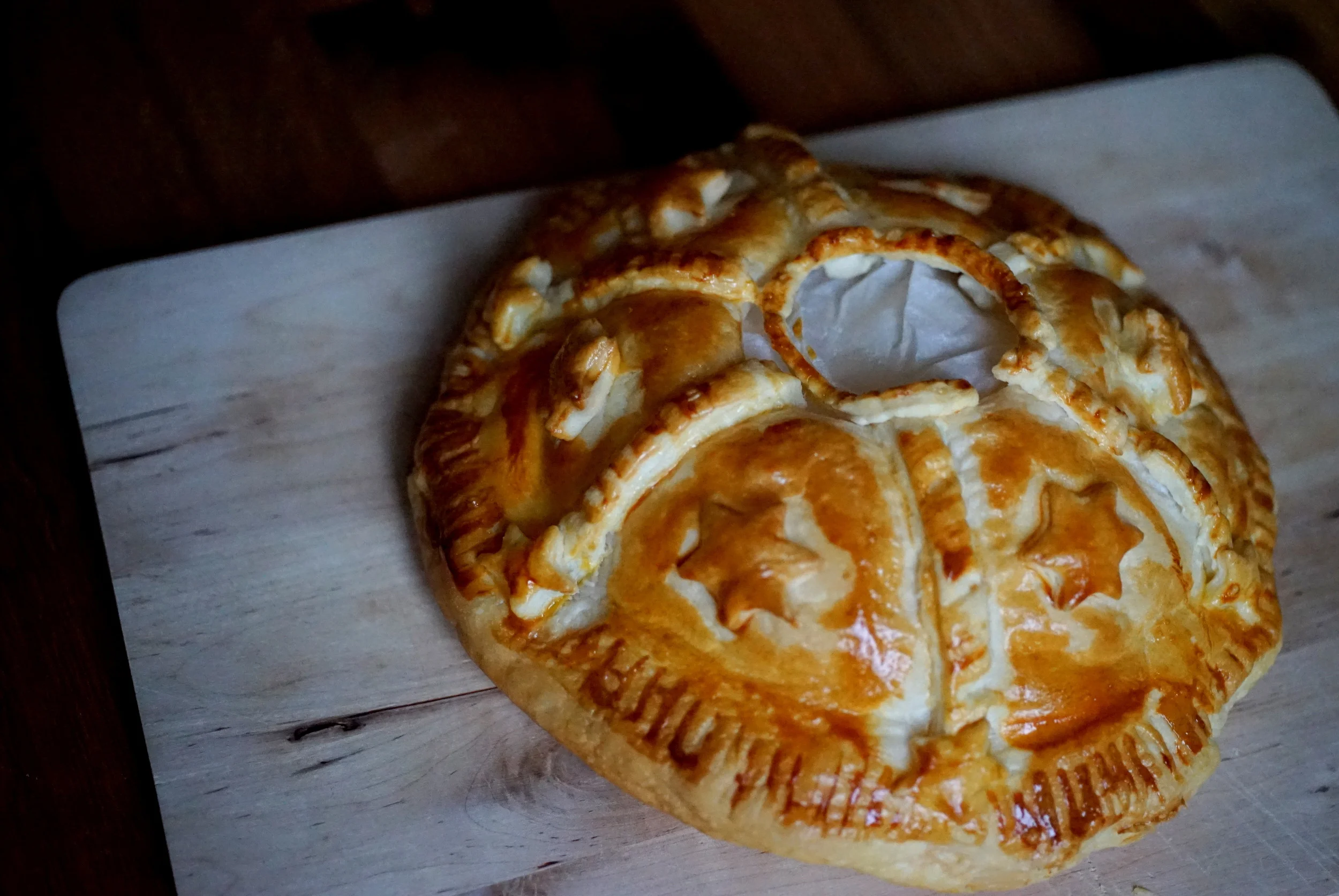
Lozärner Chügelipastete
In honour of Luzern’s carnival, this giant puff pastry dome is filled with creamy meats and raisins.
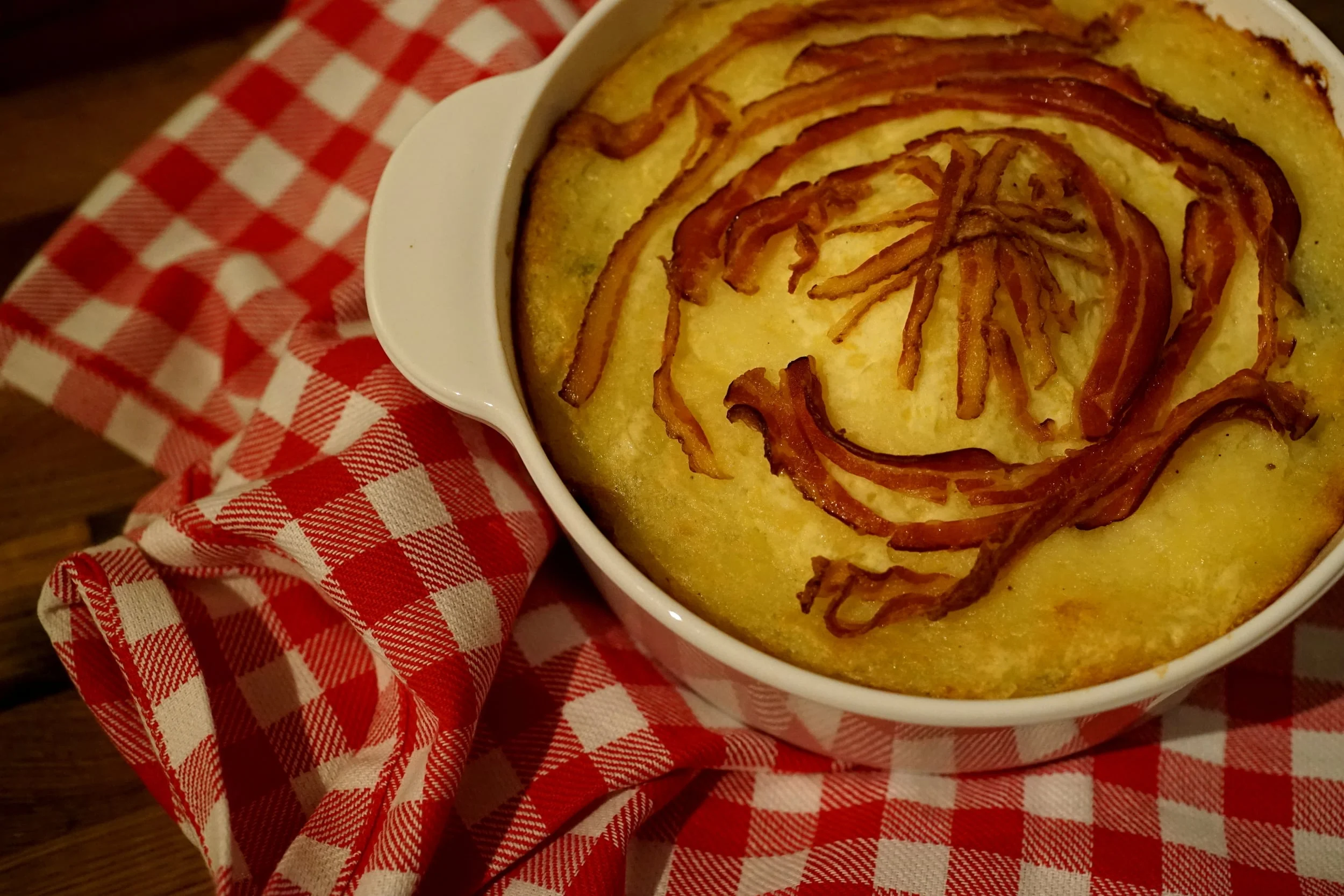
Kartoffelberg
The classic early 80s Betty Bossi cookbook Aus Mutters Kochtopf provides the perfect recipe for when you're craving a whack of potatoes—the Kartoffelberg, or Potato Mountain.
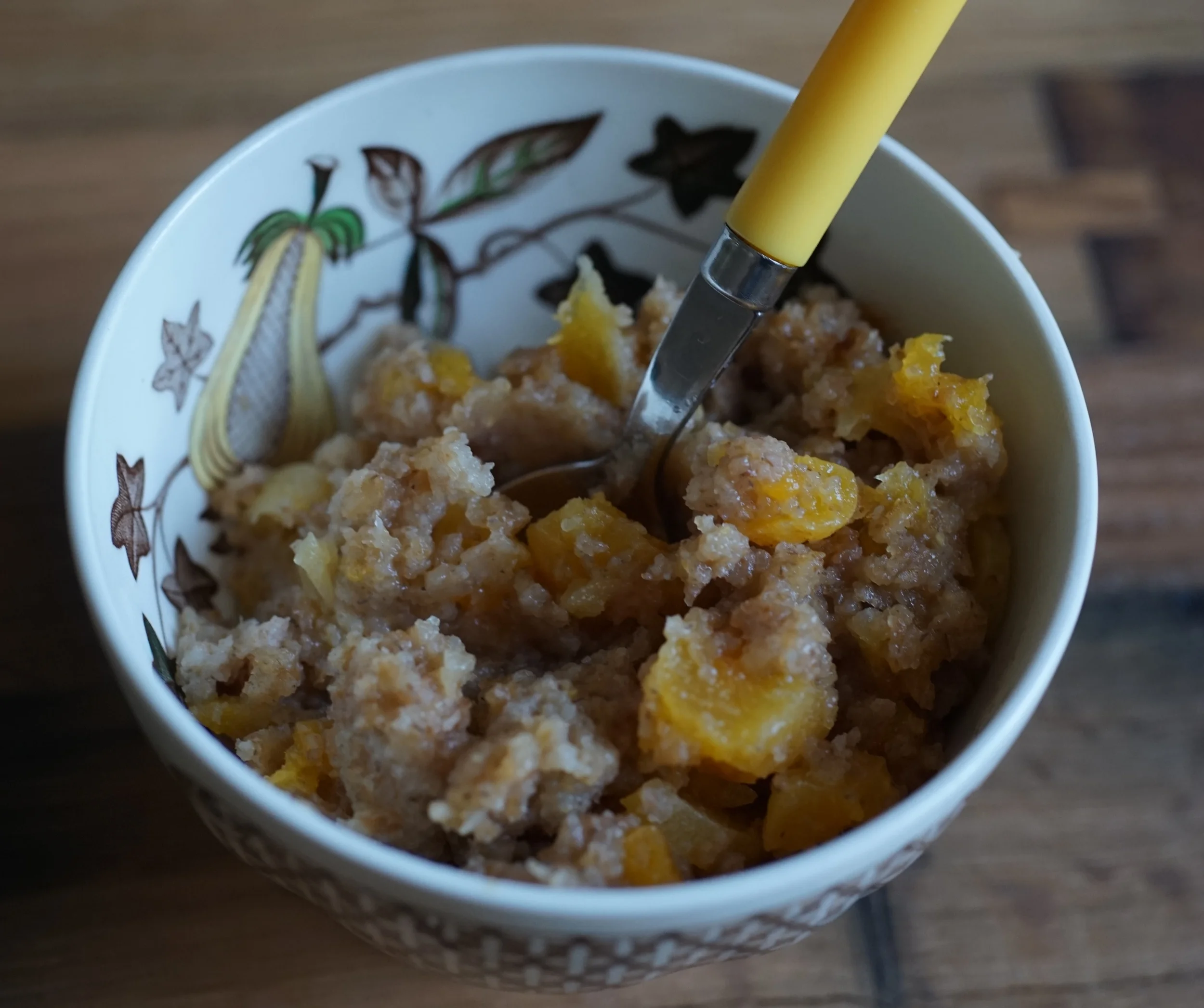
Sii
Sii is a little like bread pudding, only with wine instead of milk. You soak the bread and dried fruit in wine overnight, then mix it together and warm it in some butter. I made two versions: one with Walliser white wine and apricots, and the traditional with red wine and raisins.
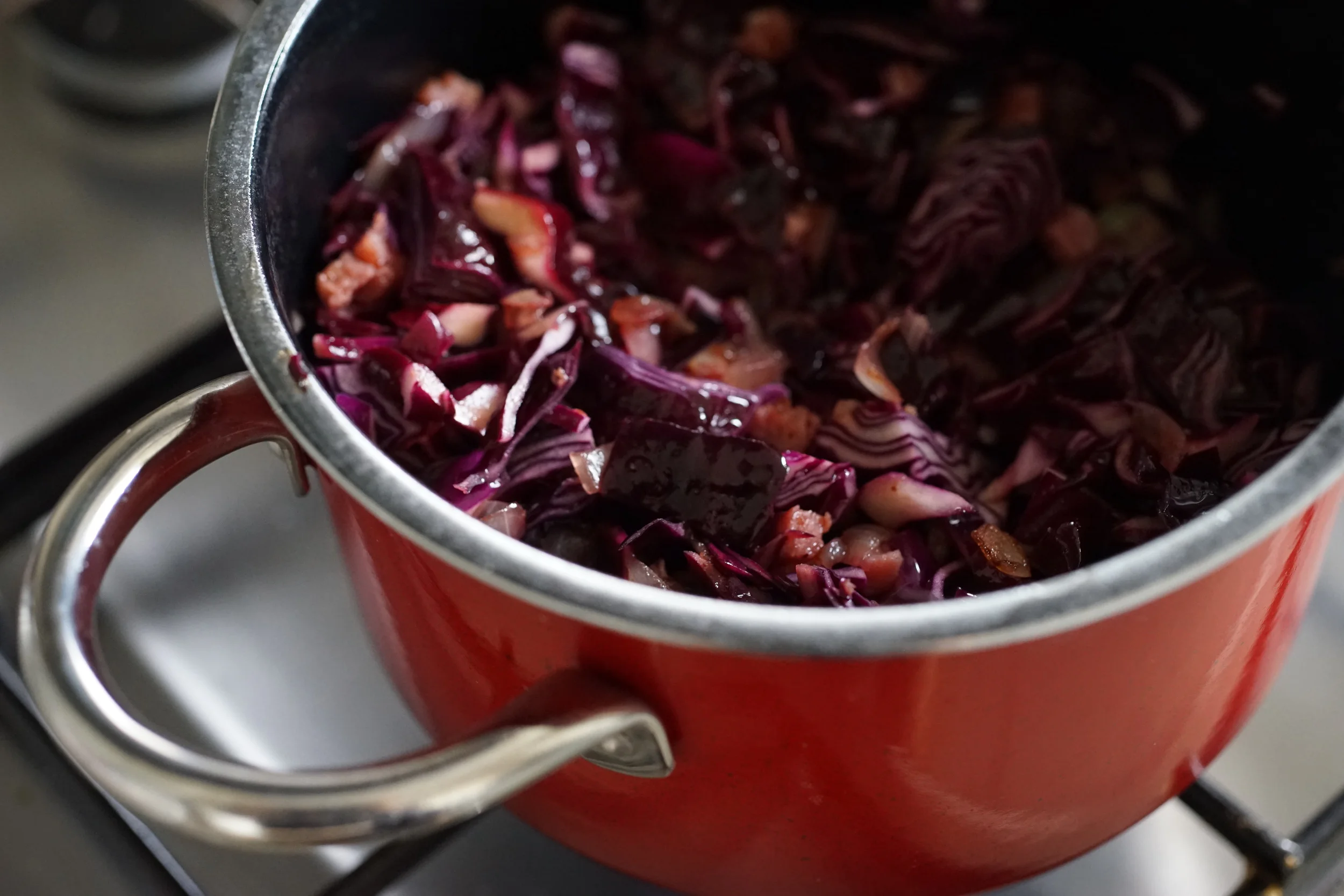
Rotkohl
Cabbage is an integral part of the Wild plate, as well as a great side dish at Christmas or Thanksgiving. This recipe produces a sweet and meaty cabbage that your intestines will hopefully be able to withstand.
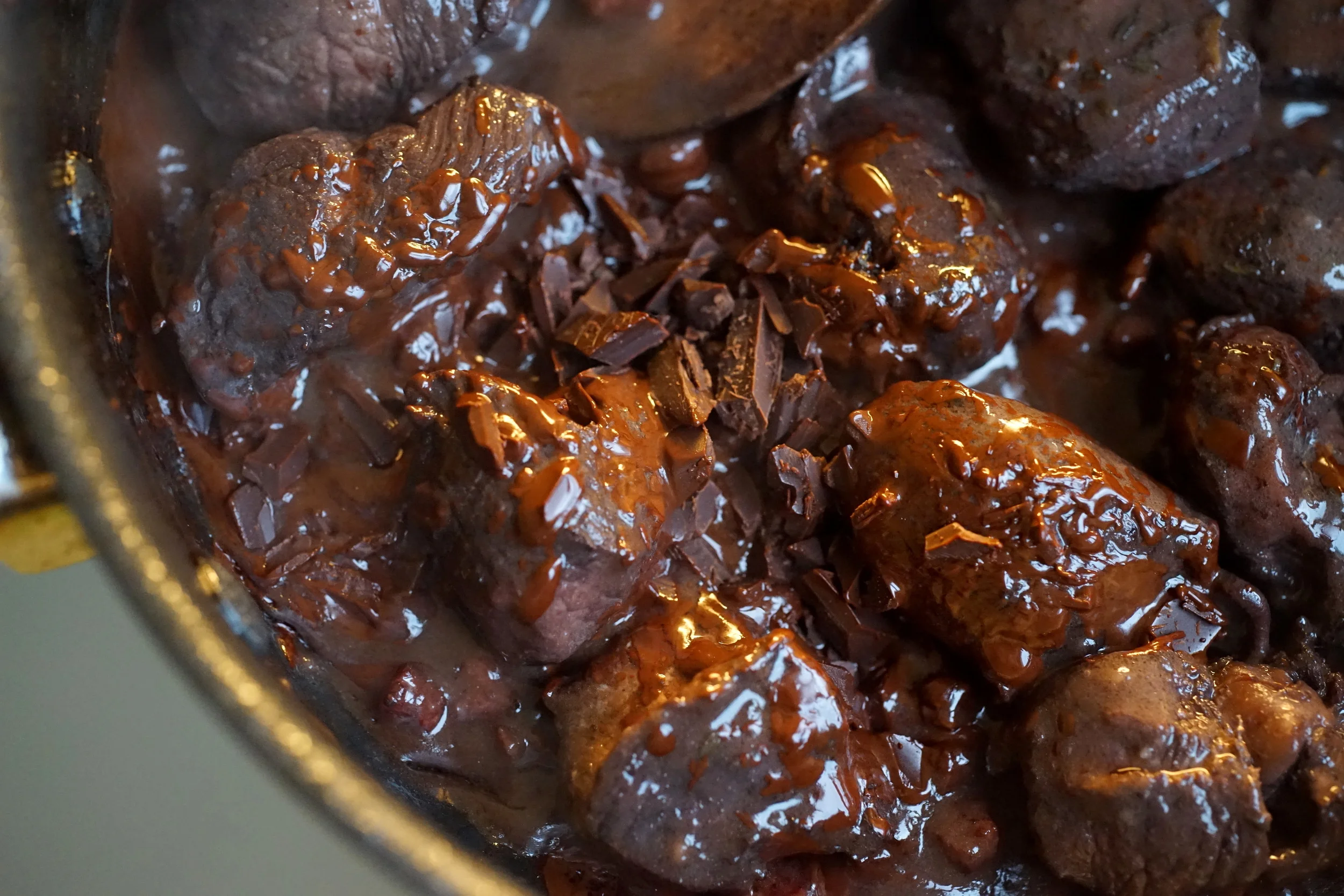

Bearinade
This marinade recipe comes from a Bernese cookbook from 1749. And it's for bear meat.

