
Retrospective
Greetings fellow cheese-lovers,
It’s Helvetic Kitchen’s five year anniversary!
Since August 2015, I’ve posted 314 recipes of all kinds—and not just cheesy and chocolatey ones.
There were the strange (a salad made of lemons), the unexpectedly delicious (mashed potatoes with pears), the difficult recipes that seem easy (Rösti, my nemesis. It took me ages to get it just right (hot tip, the secret ingredient is patience)), and the easy recipes that seem difficult (ham wrapped in braided bread dough).
There were recipes that had been around for centuries (like these Christmassy deviled eggs), and those ones that I adapted using Swiss favourites (cake with Rivella or chicken wings covered in Paprika chips) and there was this one that was originally meant for bear meat.

I just want to take this opportunity to say thank you for reading. Thank you for making my recipes, for sending feedback, and for telling me all about your Swiss culinary adventures.
I appreciate you being patient about typos, missing text, and vague or imprecise recipe instructions.
Thanks for all the nice things you’ve said! I’m glad that some of my recipes could remind you of what your Grosi made, or what you ate when you worked here as an Au Pair, or helped you make something that tasted like your Swiss sweetheart’s childhood.
I’ve mentioned some above, but now I want to share some more post highlights—my most popular posts, my personal favourites, the ones that took the most work, and the ones that my family asks me to make over and over again.
Here’s the post that started it all, my grandmother’s recipe for carrot cake:

Rüeblitorte
My most-read posts are classics of Swiss cuisine, mostly what you would expect from a Swiss recipe blog.

Zuger Kirschtorte
Although it takes a bit of time, I love making this cake. It looks impressive and tastes wonderful, especially if you aren’t shy with the kirsch that features throughout.
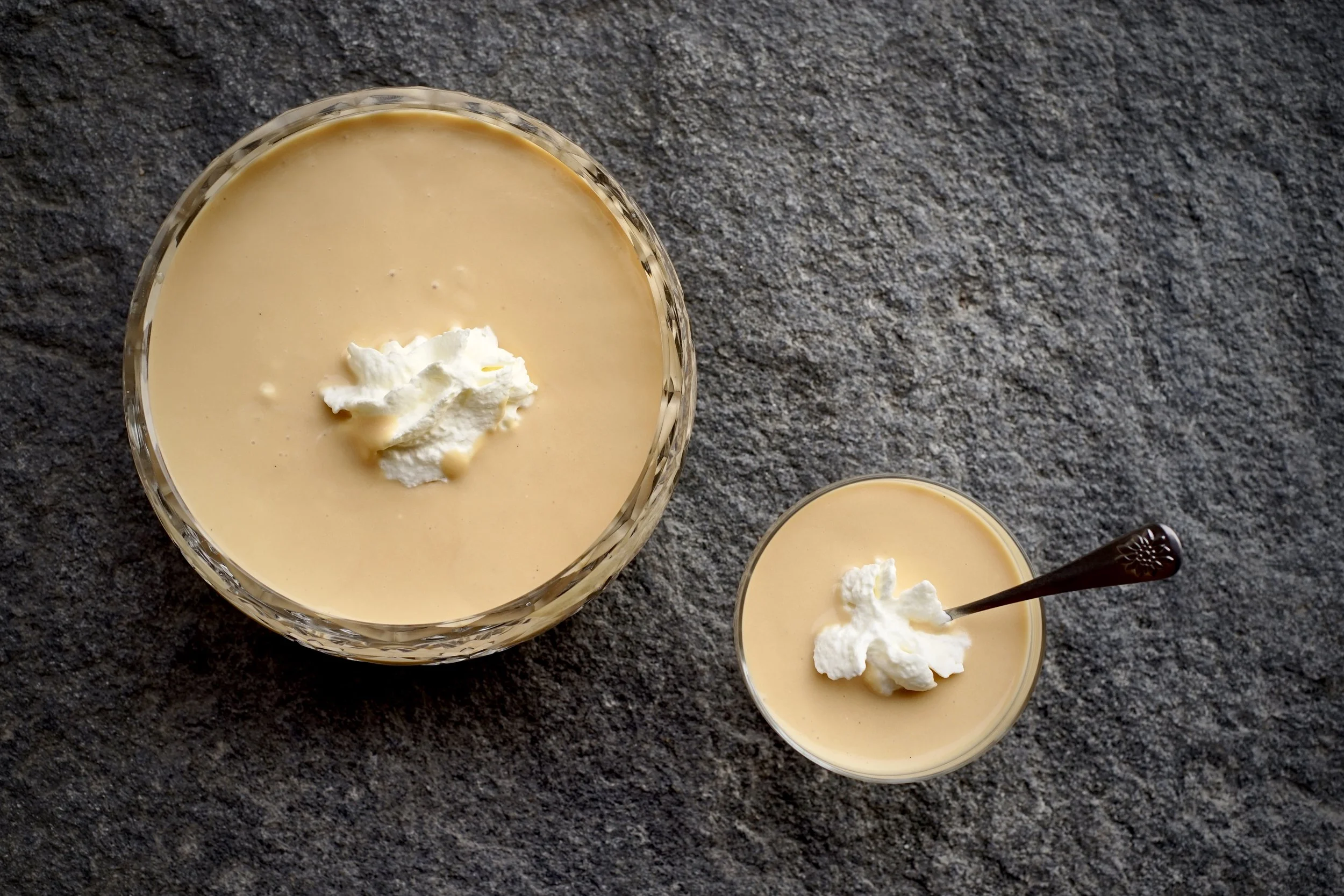
Brönnti Creme
Brönnti Creme is a beloved Swiss dessert that you’ll find on the menu everywhere, from Grosi’s kitchen to high-end restaurants.
Although it’s a simple dish, there are still many ways to mess it up.
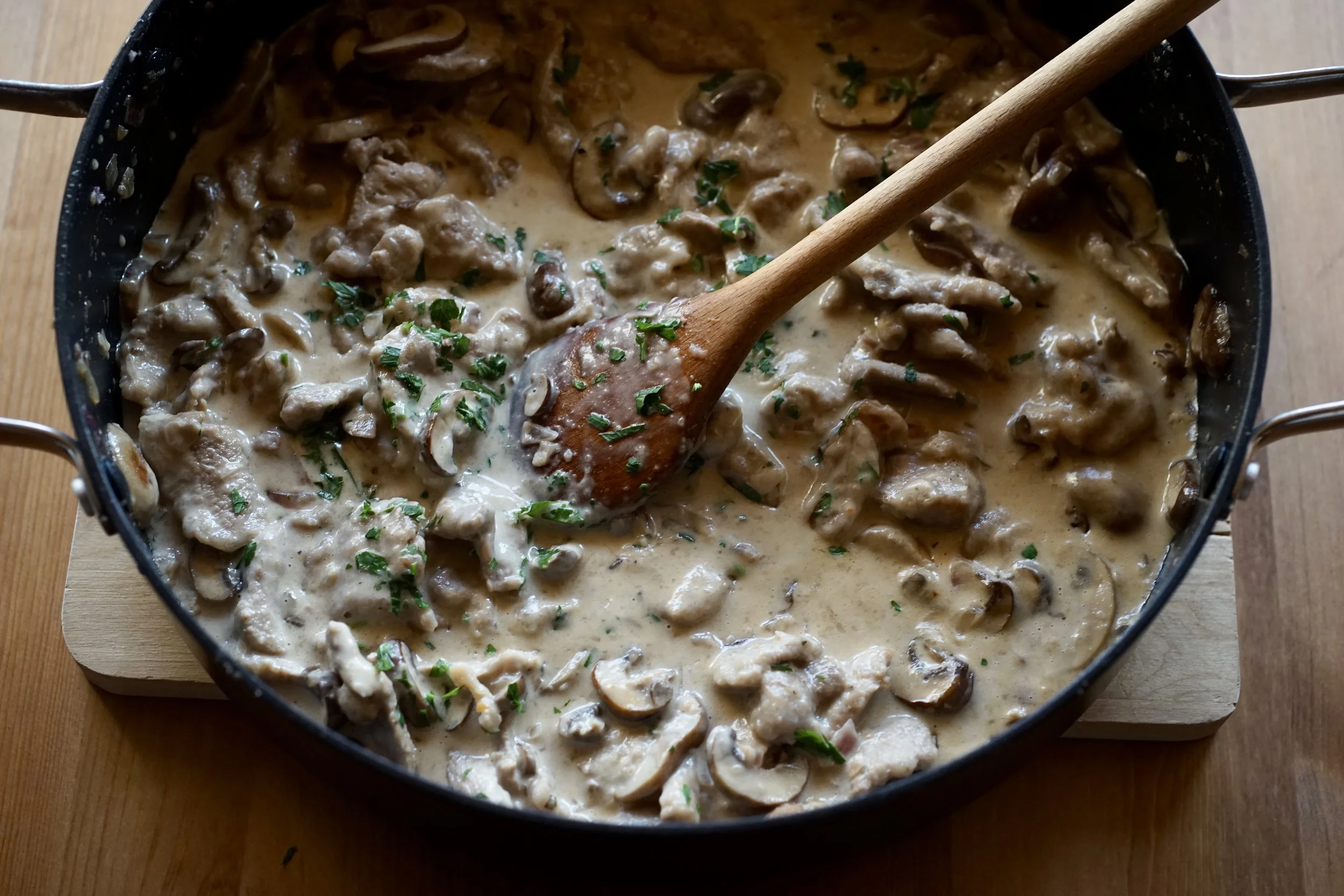
Züri Gschnätzlets
Although it’s now an absolute standard of Swiss cuisine, the famous dish Zürich Geschnetzeltes (or Züri Gschnätzlets in dialect) is relatively modern, first appearing in the late 1940s.
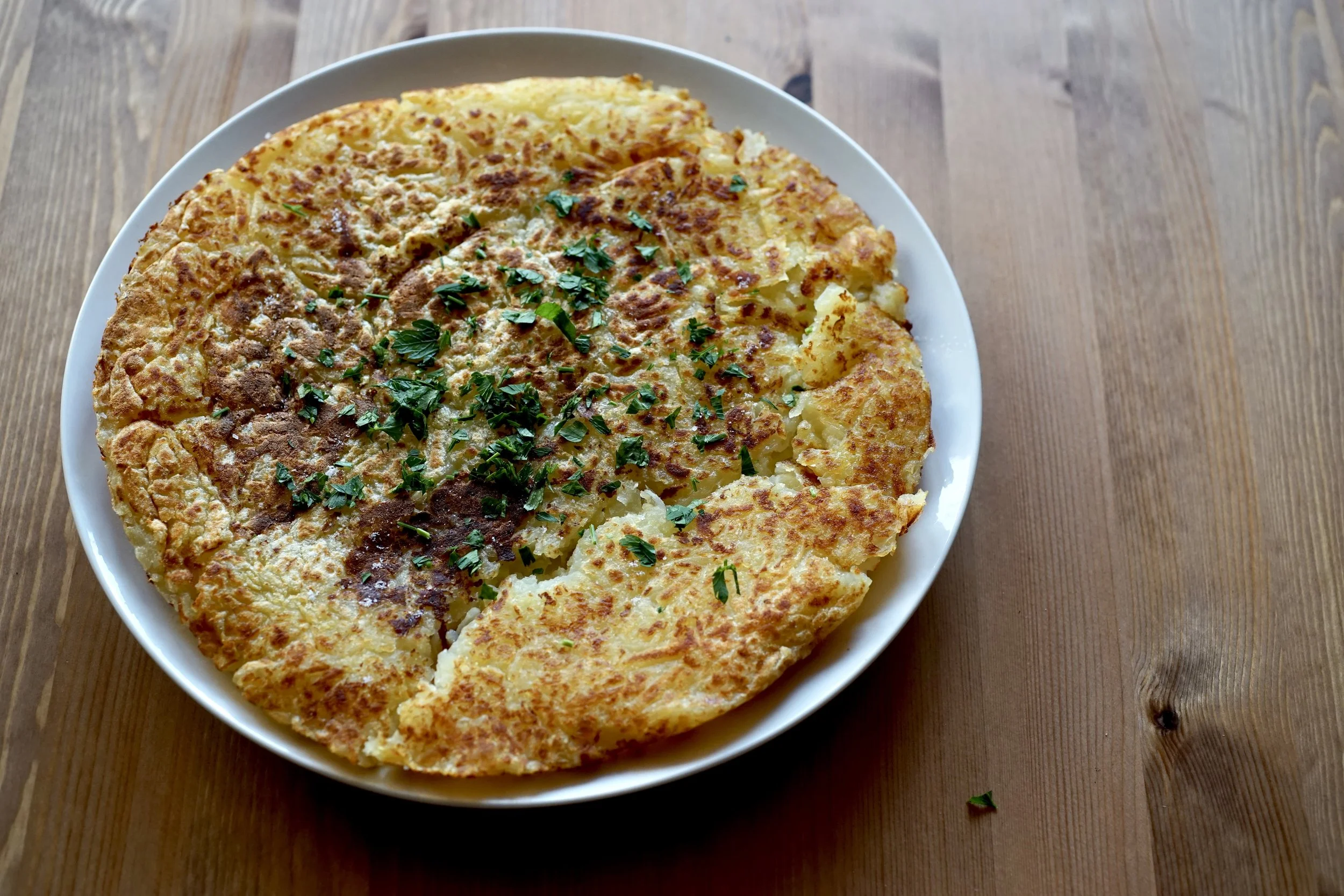
Rösti
It was Swiss farmers who first enjoyed Rösti—for breakfast. Today, this grated, fried potato pancake is enjoyed at any time of day, either as its own meal or as a side dish.
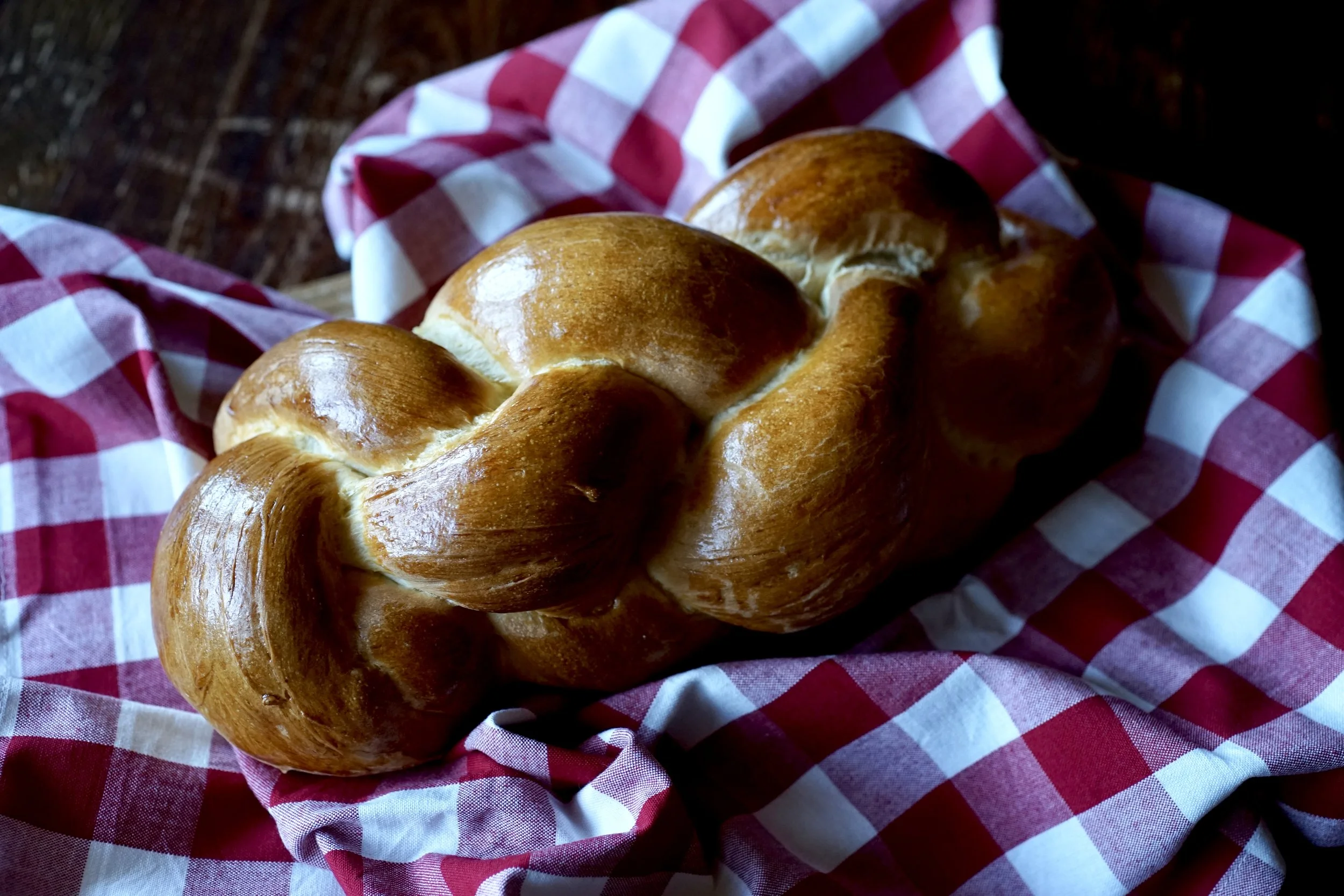
Zopf
Easily Switzerland's most famous bread, Zopf is enjoyed in all regions of the country, particularly the Emmental, where butter is treasured and added to the bread with abandon, and the braids are often giant and sold by the metre.
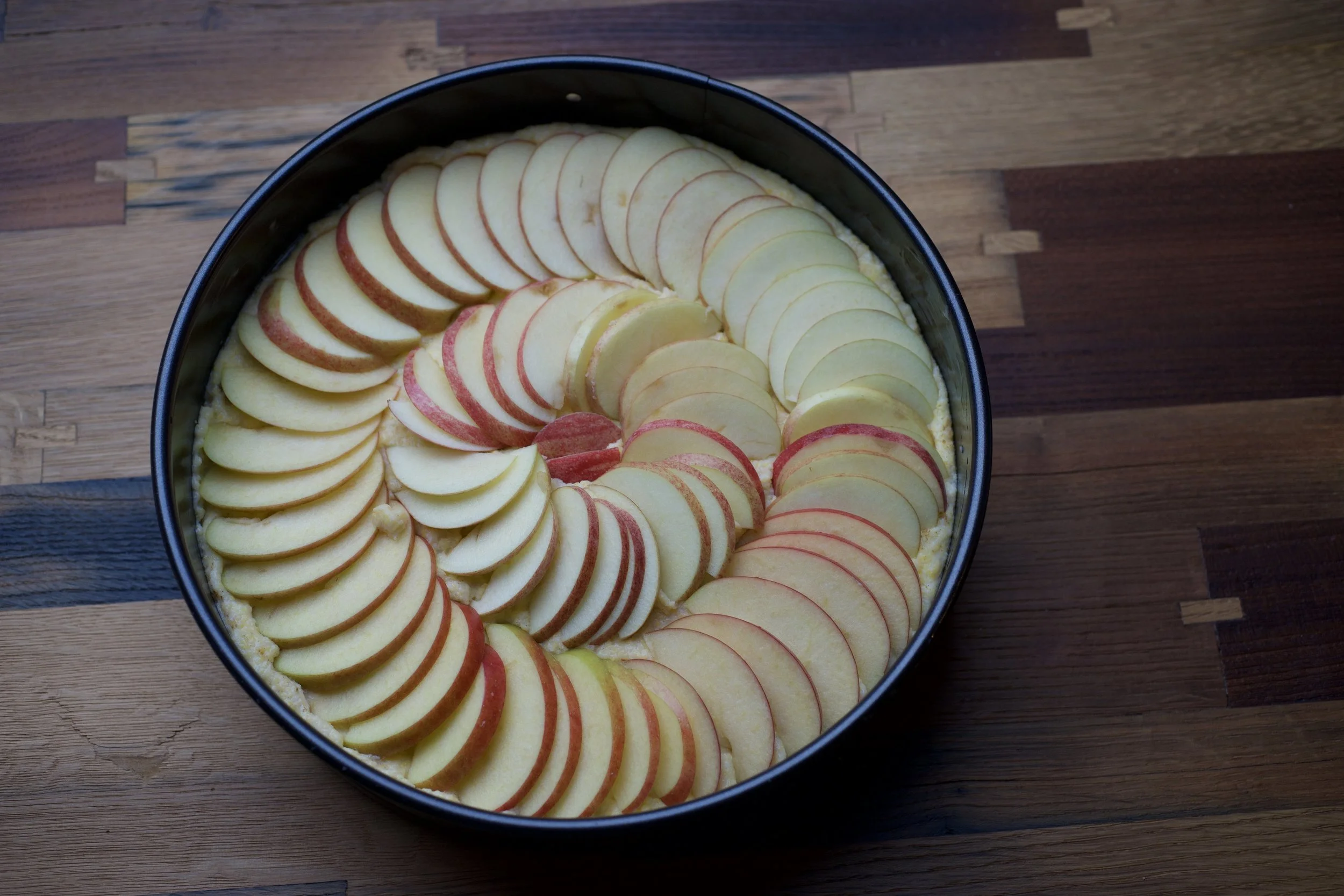
Maisturtä
Delicious and wholesome, this polenta cake is stuffed with apples and raisins. Baked throughout central Switzerland, this particular variety comes from the canton of Nidwalden.
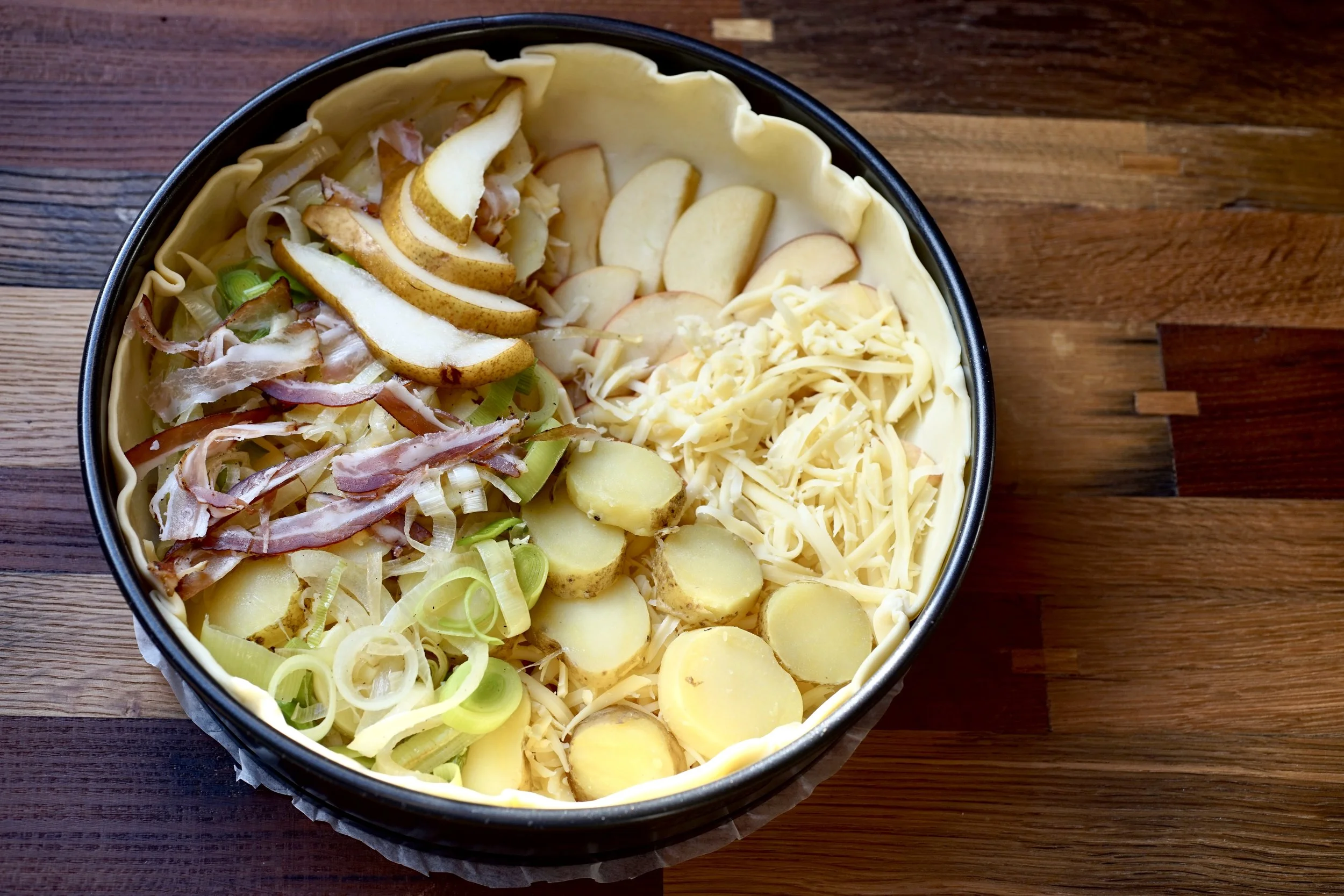
Walliser Cholera
Flaky pastry stuffed with apples, cheese, potatoes, onions, leeks, bacon, and pears.

Fondue Chinoise
In Switzerland there typically isn't a set food to eat during the holidays, but somewhere between Christmas and New Year most Swiss families eat a fondue. Whether Cheese or Chinoise, forks are dipped.
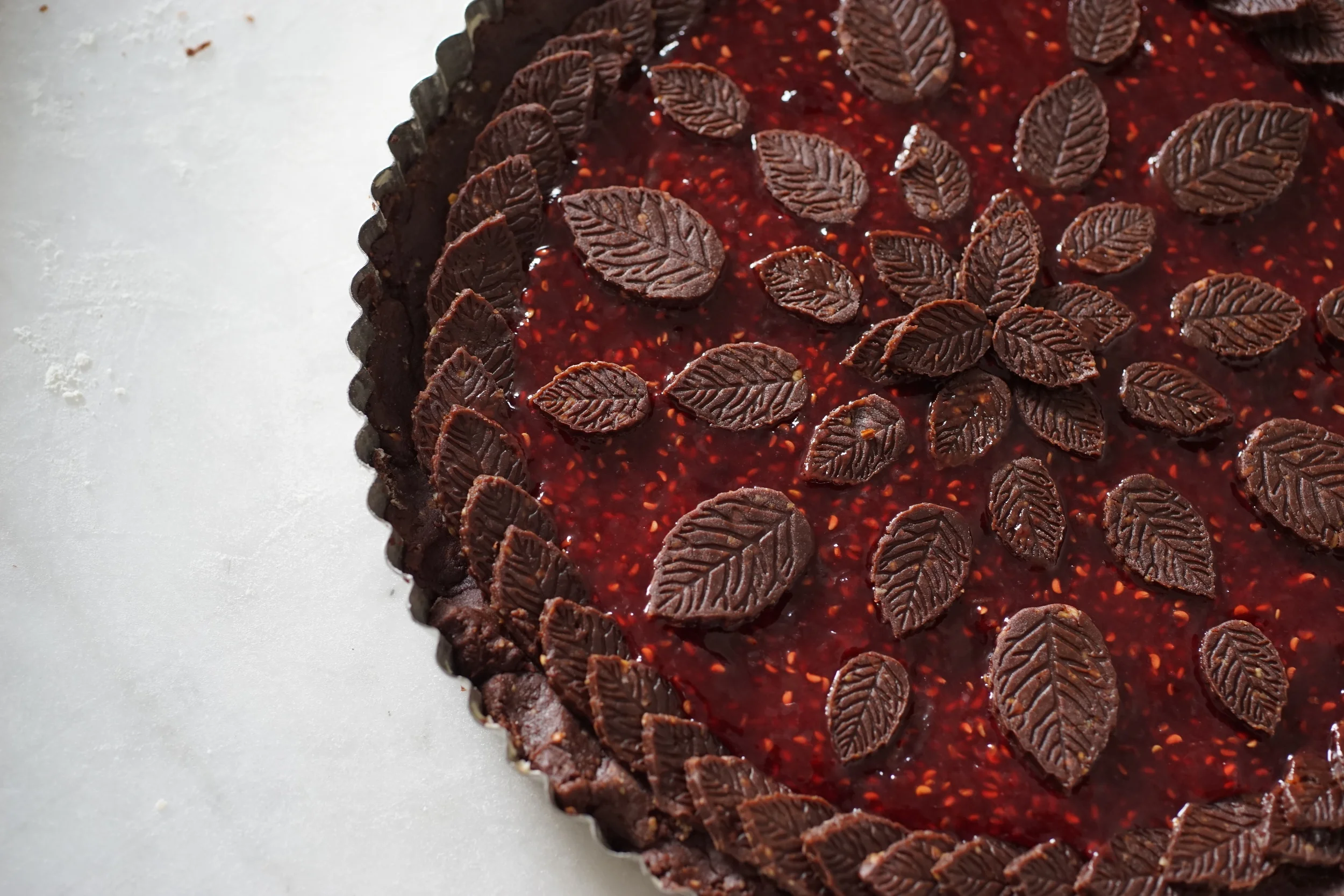
St Galler Klostertorte
It's hard to imagine anything better than the Linzer Torte, so imagine my surprise at discovering the St Galler Klostertorte, its cousin from over the alps, made Swiss by adding, of course, chocolate.

Coupe Dänemark
The two best ways to sell dessert, a chef once told me, are to make it either nostalgic or do-it-yourself. Either something that tastes like childhood or something you have to actively do: pour something, roast a marshmallow, etc. The Coupe Dänemark hits all the buttons, and perhaps the combination of flavours, chocolate and vanilla, along with the simple act of pouring a sauce, make it the perpetual favourite it is today.
I wish I had the time to make Zuger Kirschtortes every week, but sadly I don’t. Some recipes, however, have made it into the rotation and grace our kitchen table quite often. These are my favourite easy standards.
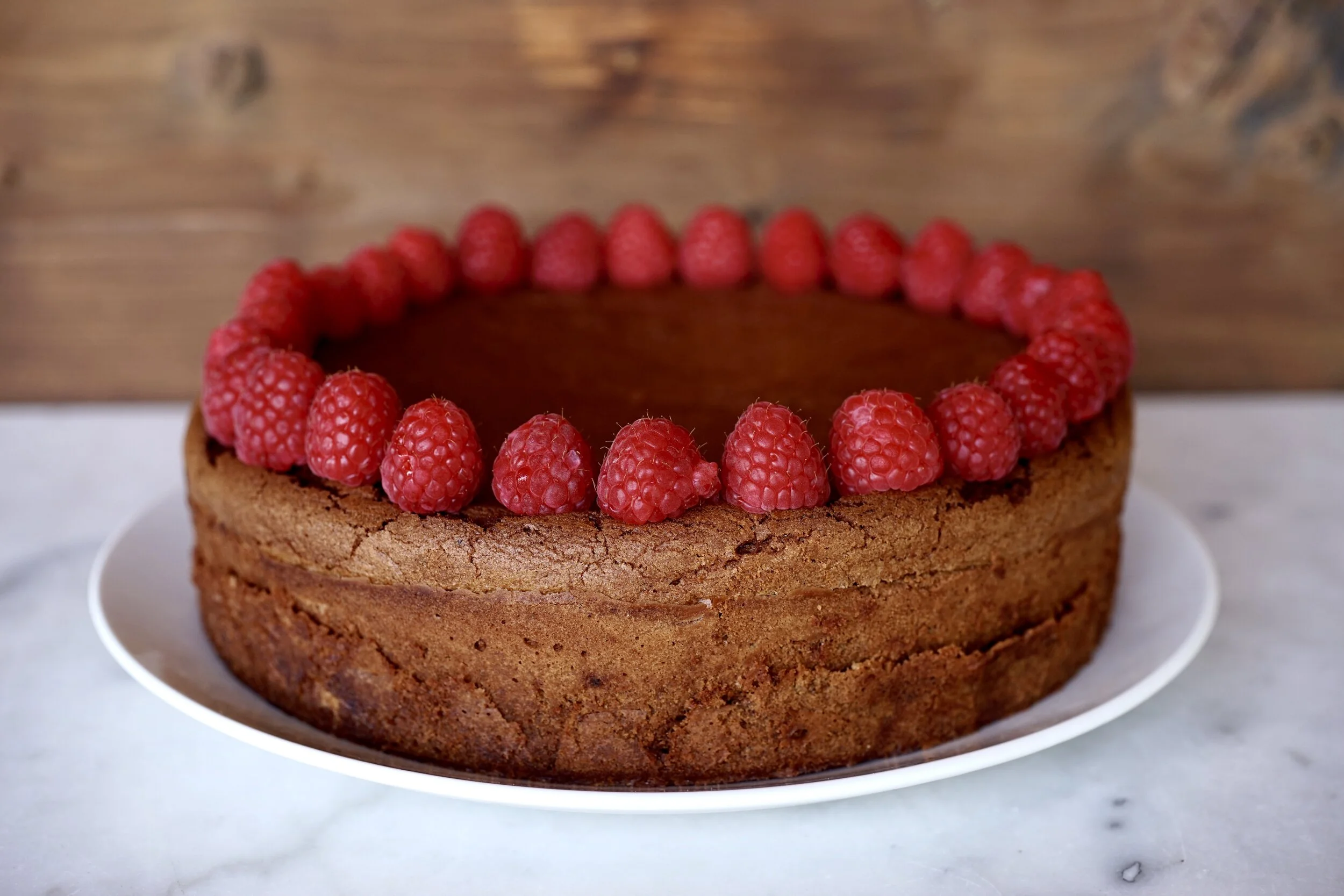
Gotthelftorte
A deeply satisfying chocolate cake with a moist, almost fudgy middle. It tastes great warm from the oven, or after a few days in the fridge.
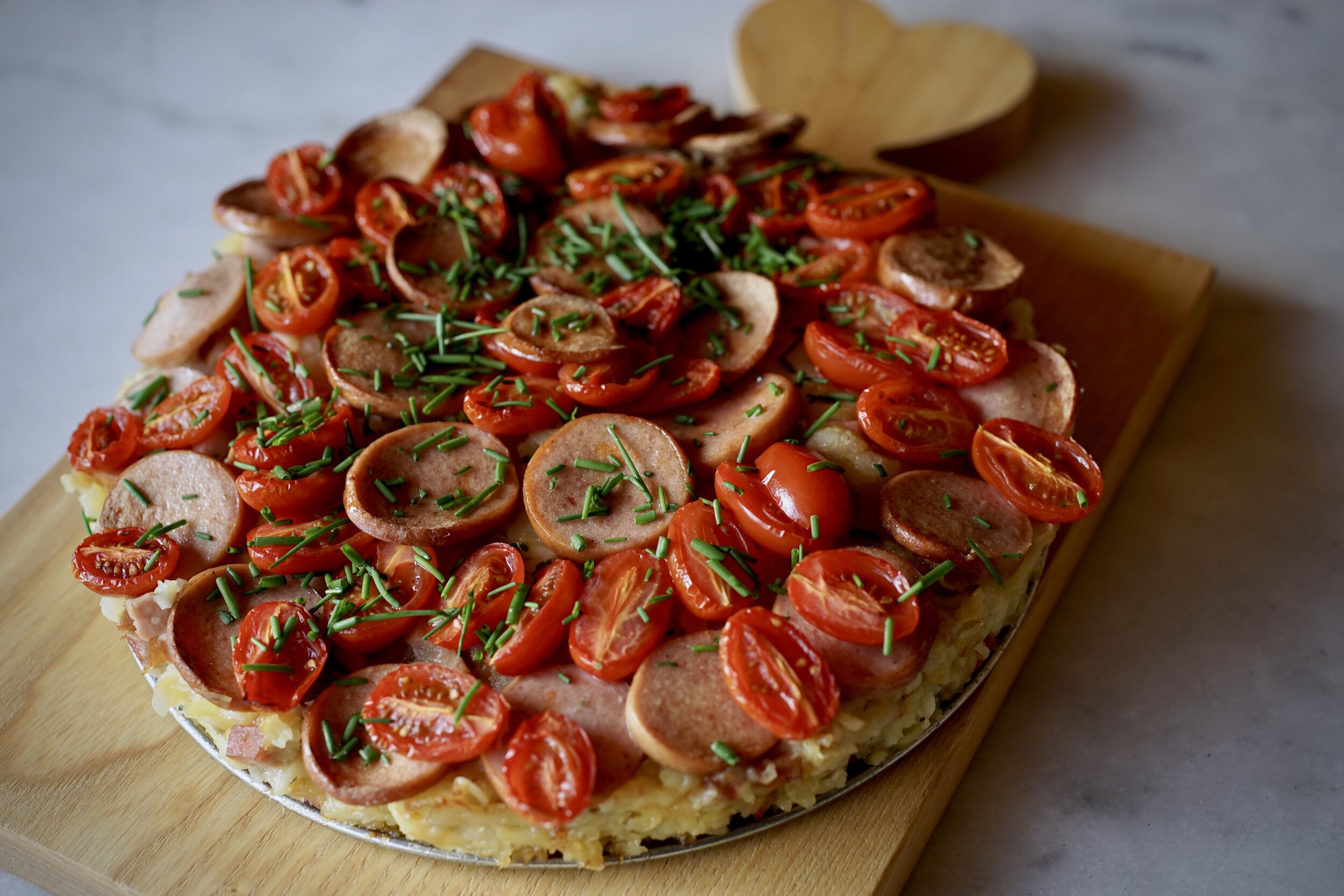
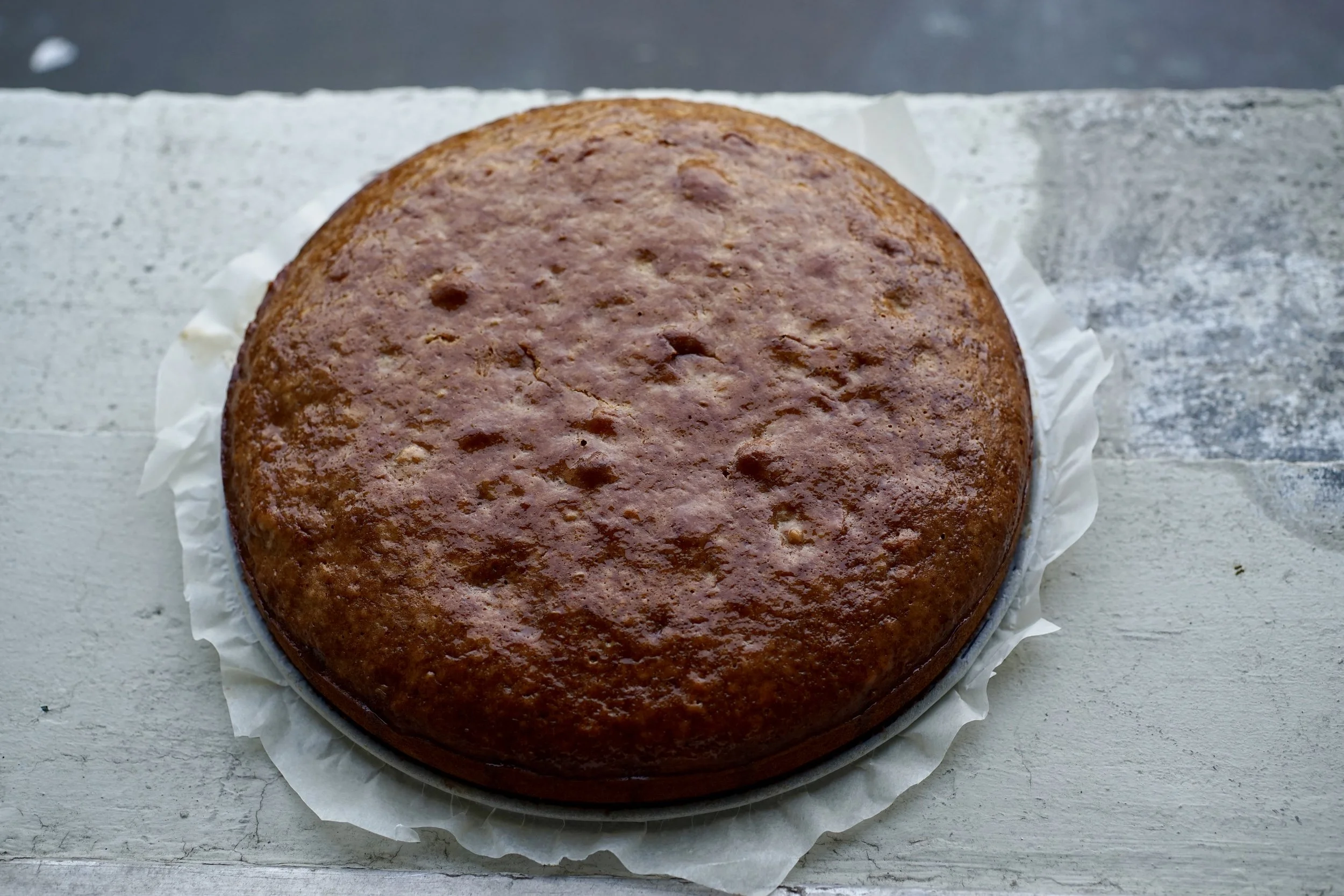
Fabiana's Lozärner Lebkuchen
Fabiana’s Lucernese gingerbread is a fan favourite among her five children, numerous grandchildren, and Sam’s family, who lived next door for over a decade.
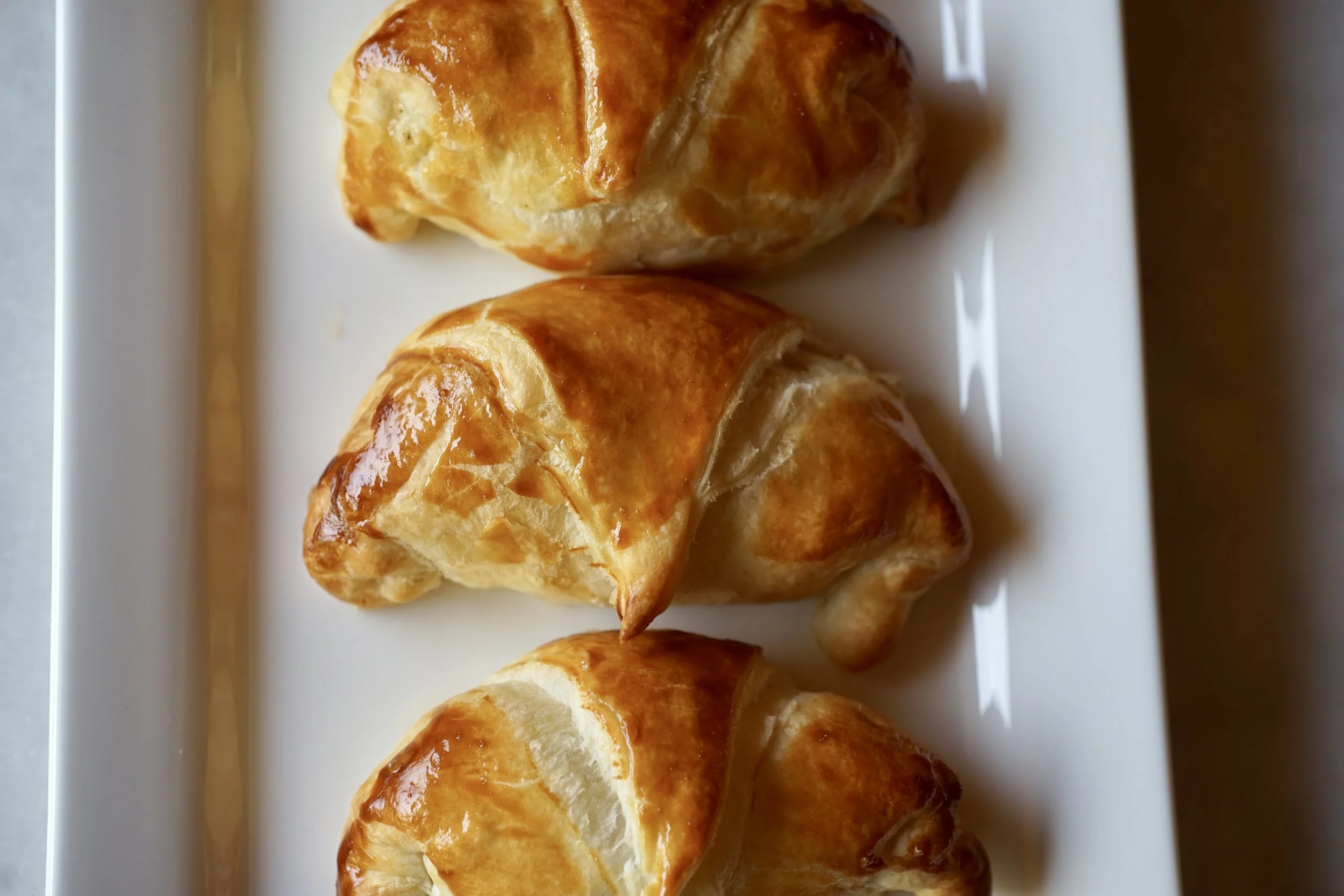
Schinkengipfeli
Perfect for apéro (or anytime), these ham croissants are flaky on the outside and savoury on the inside.
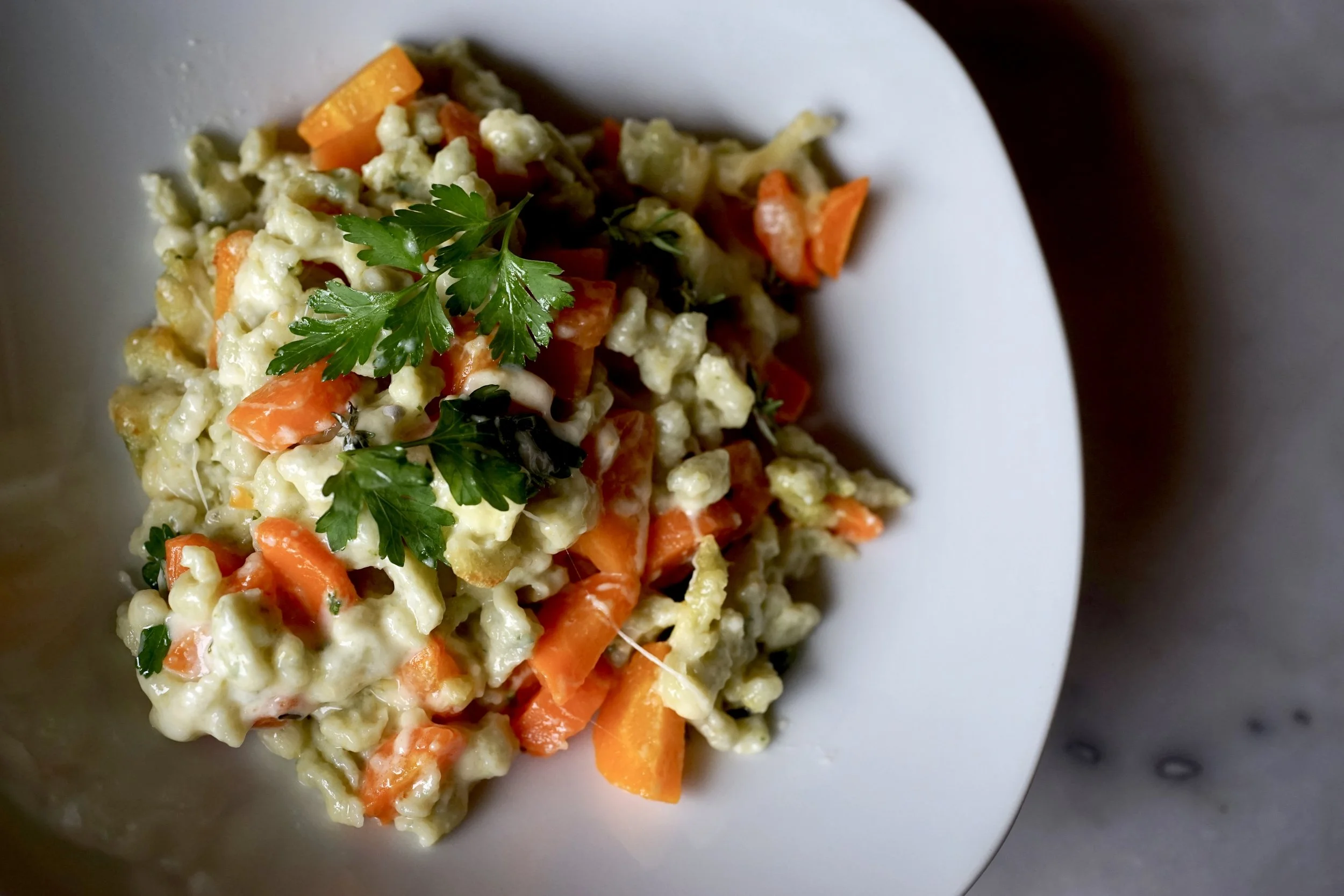
Spätzli Gratin
The word spätzle (spätzli in Switzerland) literally means 'little sparrows', perhaps describing the shape. The similar knöpfli, which uses the same batter but is formed in a little ball, is the diminutive word for 'buttons' in German.
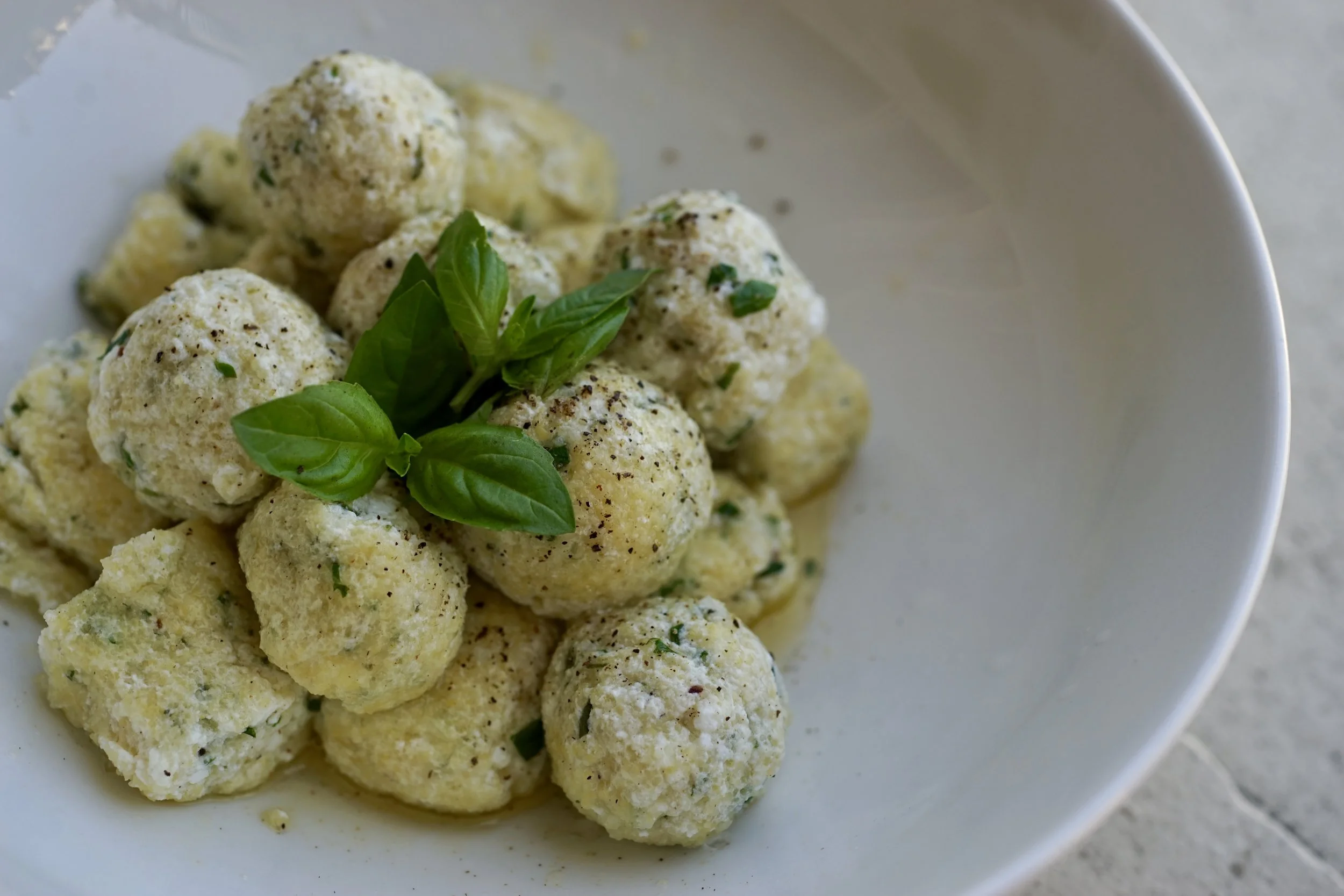
Ziger Malfatti
Ziger.
My mother-in-law, Josy, often waxes poetic about the stuff, which is made from whey, a byproduct of cheesemaking.
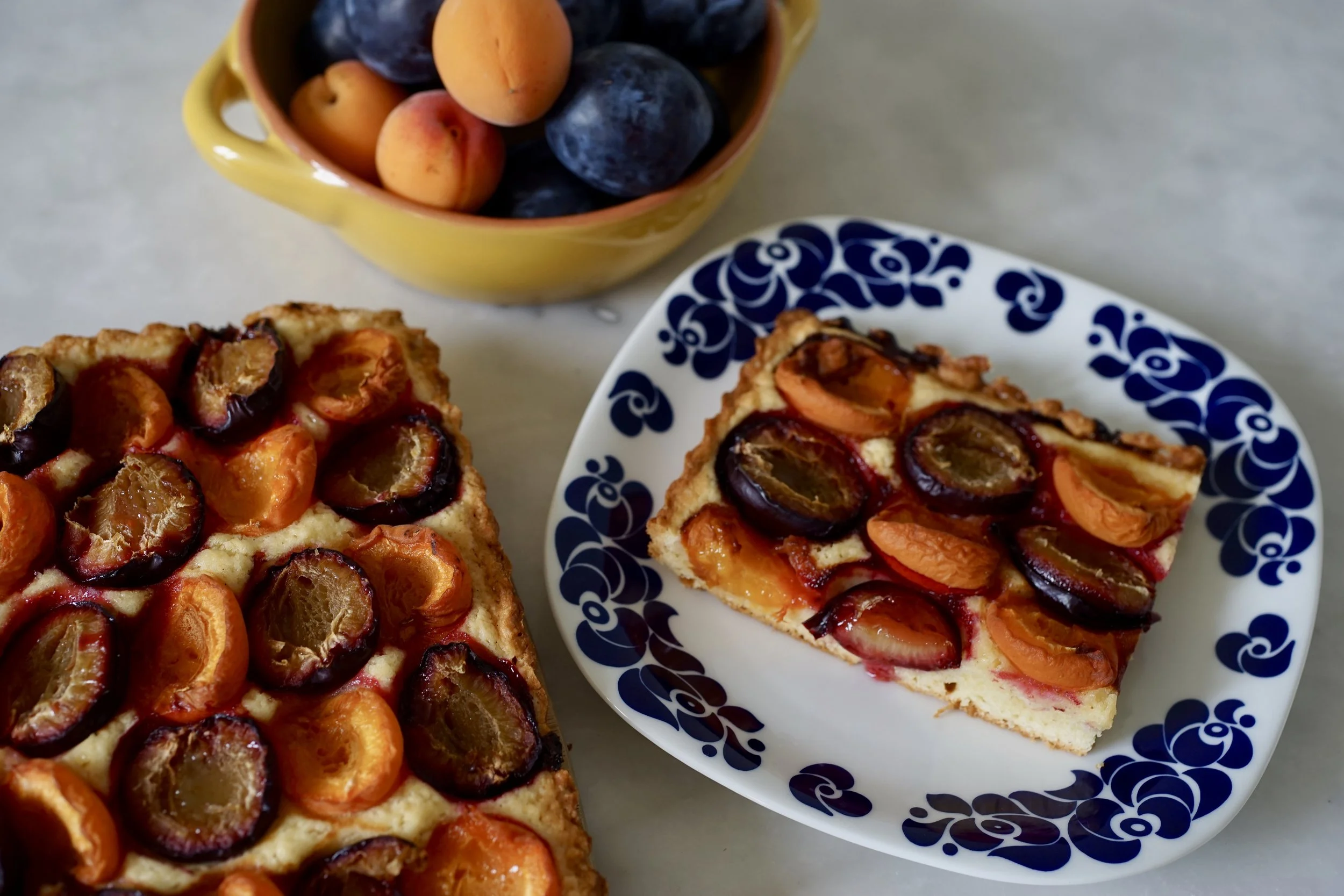
Plumpricot Cake
An easy cake that features the best of Swiss summer produce—apricots and plums.
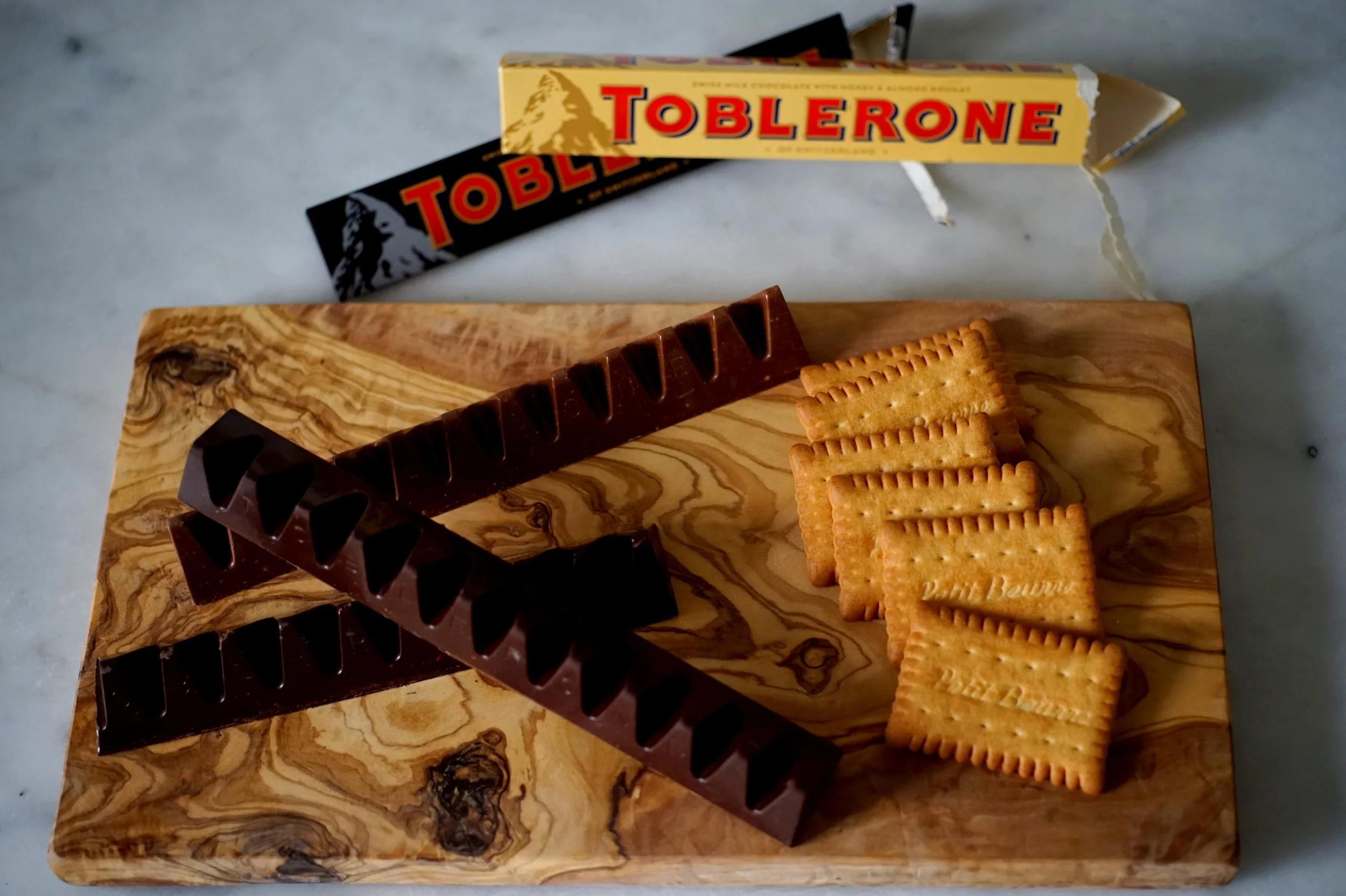
Swiffins
A Swiss version of the delicious British Tiffin, or fridge cake, complete with three bars of Toblerone.
Sweetheart Sam has his own list of favourites:
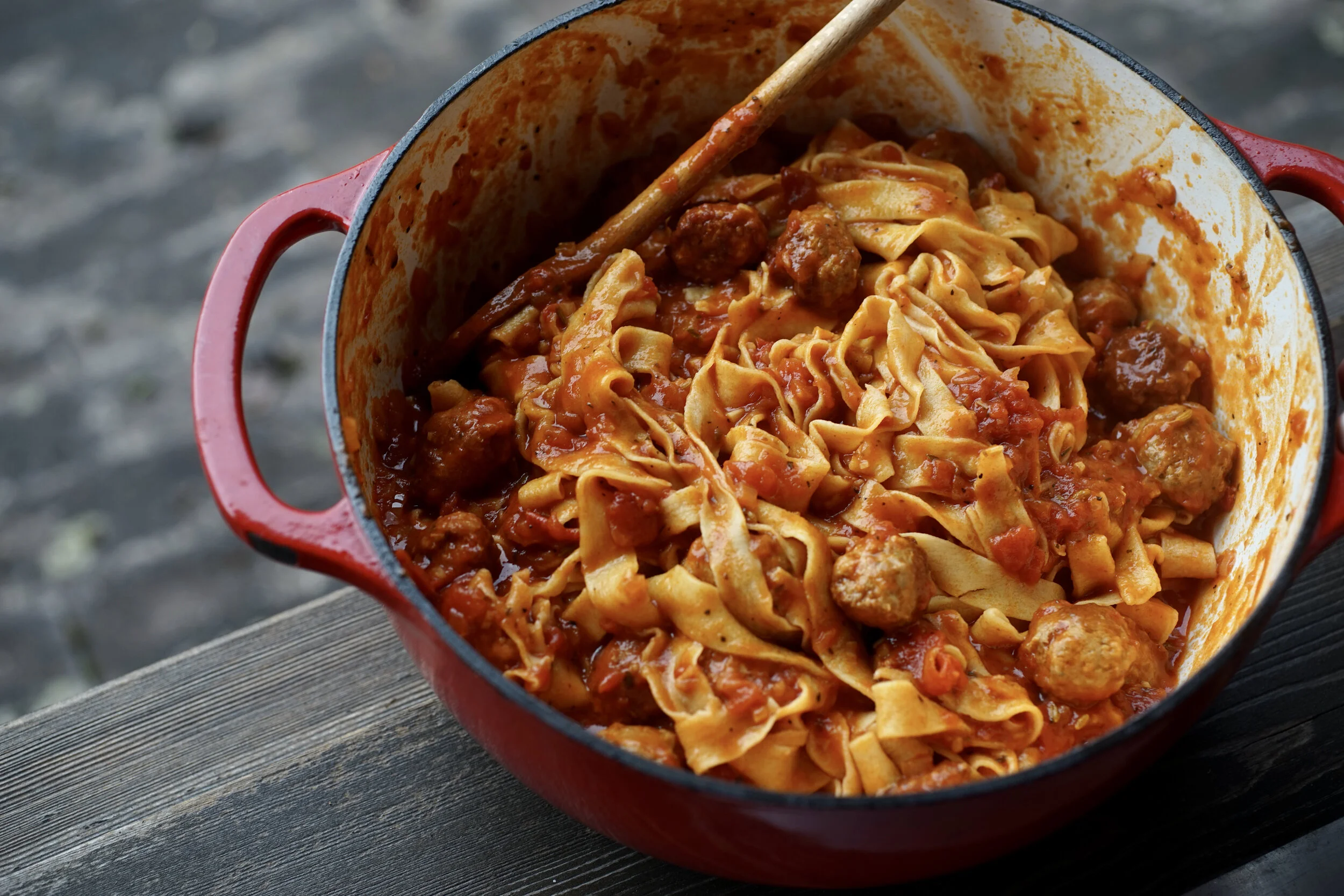
Sam’s Sausage Meatball Sauce
Easy meatballs made with some of Switzerland’s favourite sausages.
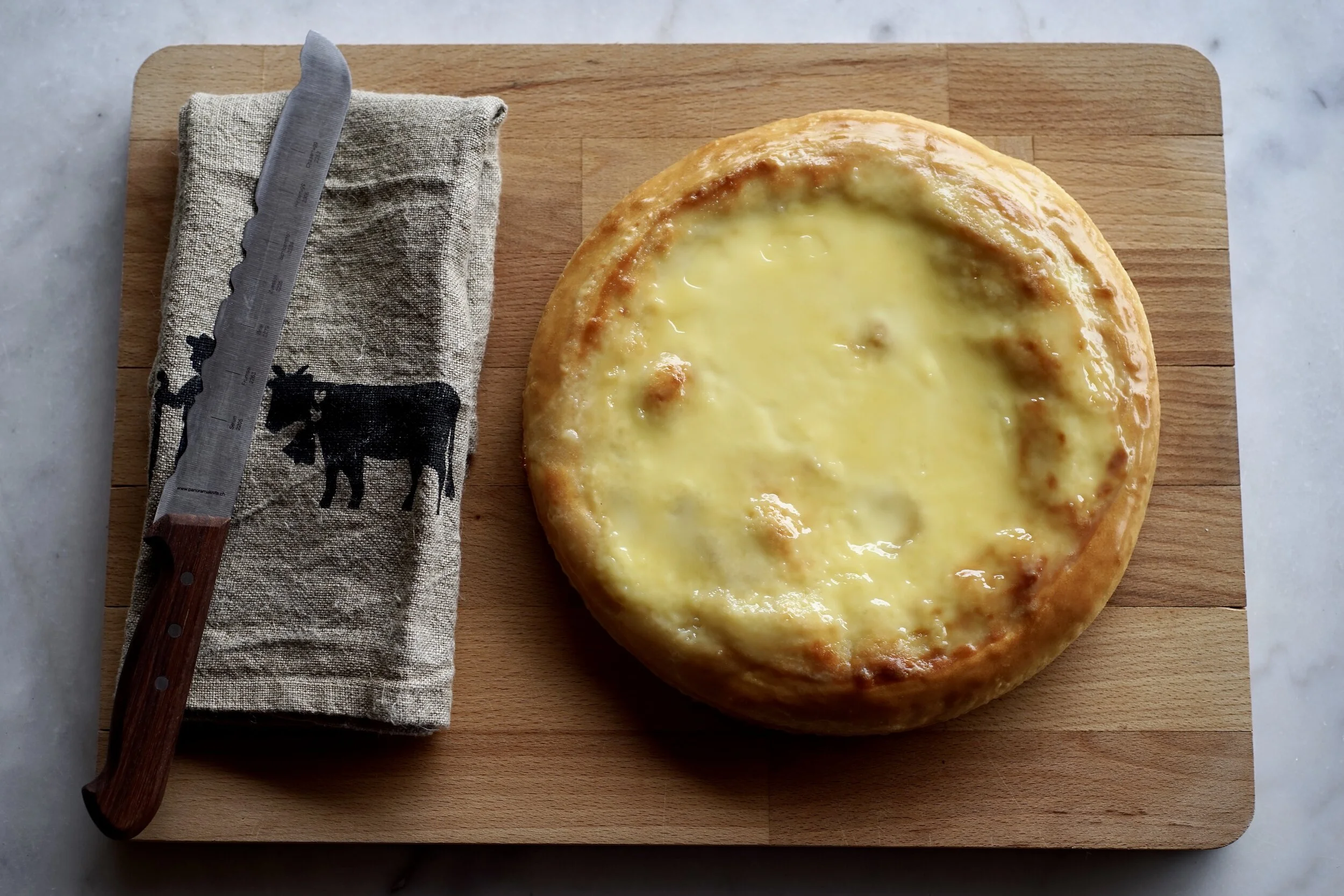
Nidelkuchen
The version from Murten, this bready base is topped with slightly sour, slightly caramelized cream.
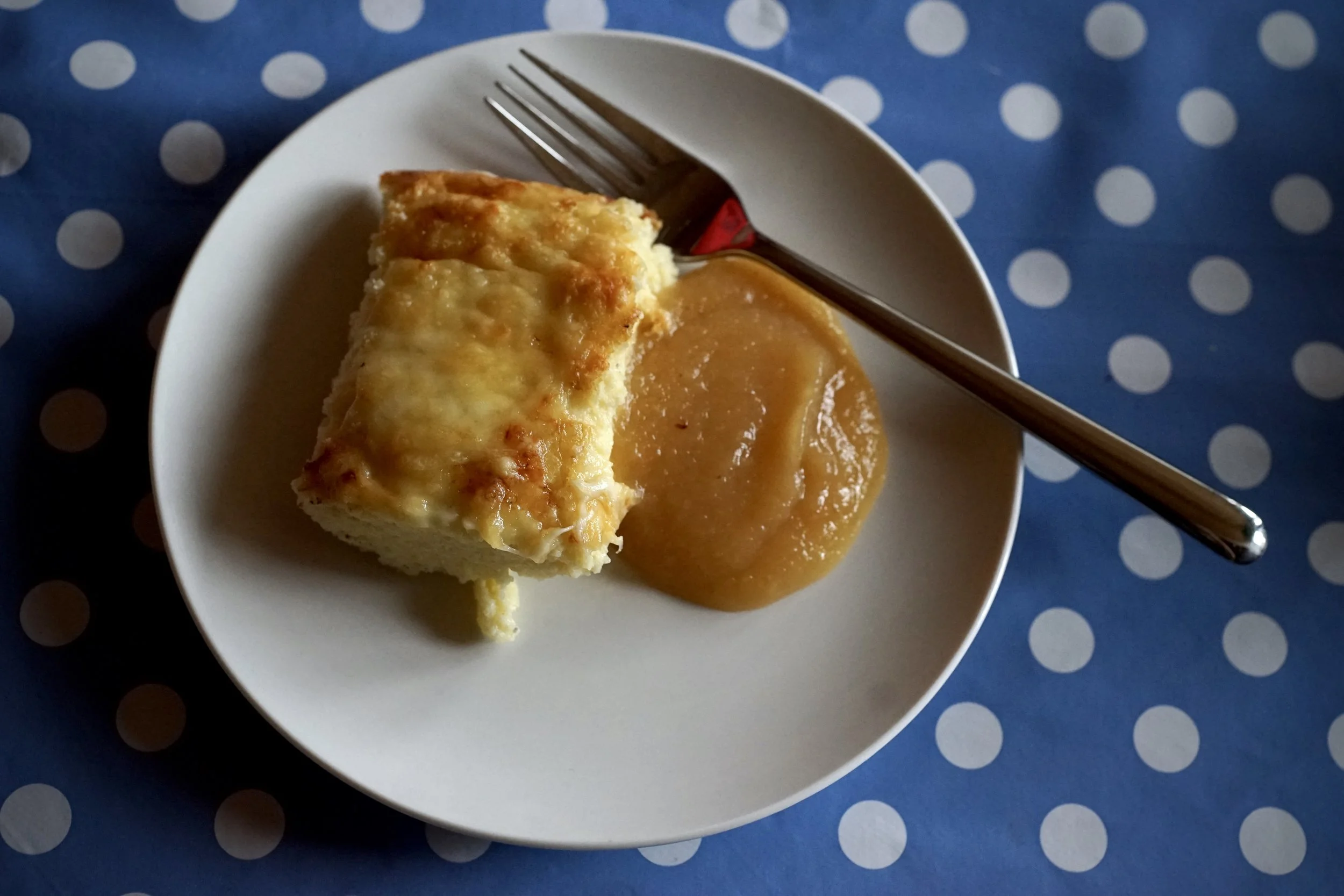
Griessschnitten
A cheesy classic from my mother-in-law’s kitchen and my husband’s favourite meal from childhood.
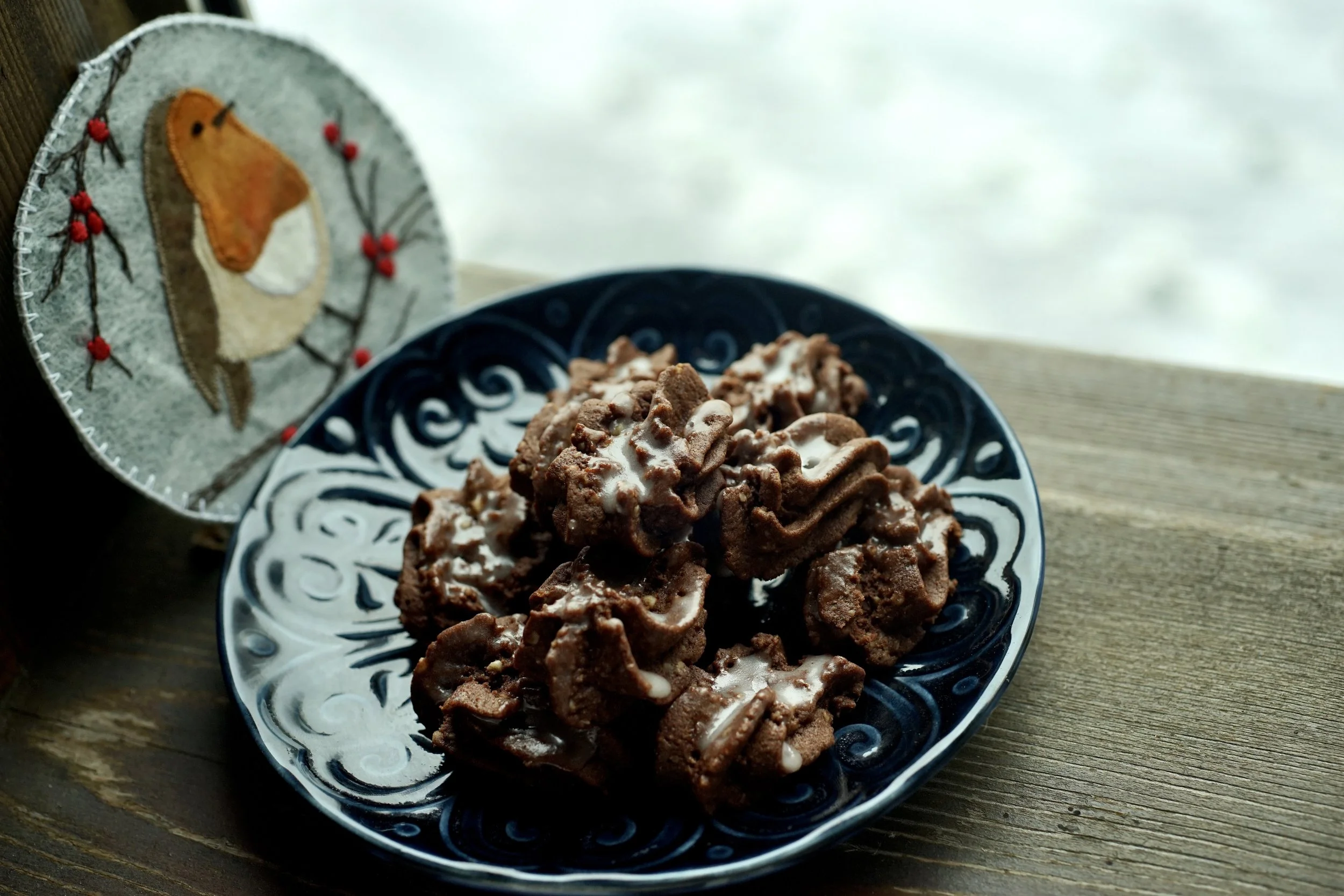
Bärentatzen
These bear paw cookies are a perennial favourite in German-speaking Switzerland.
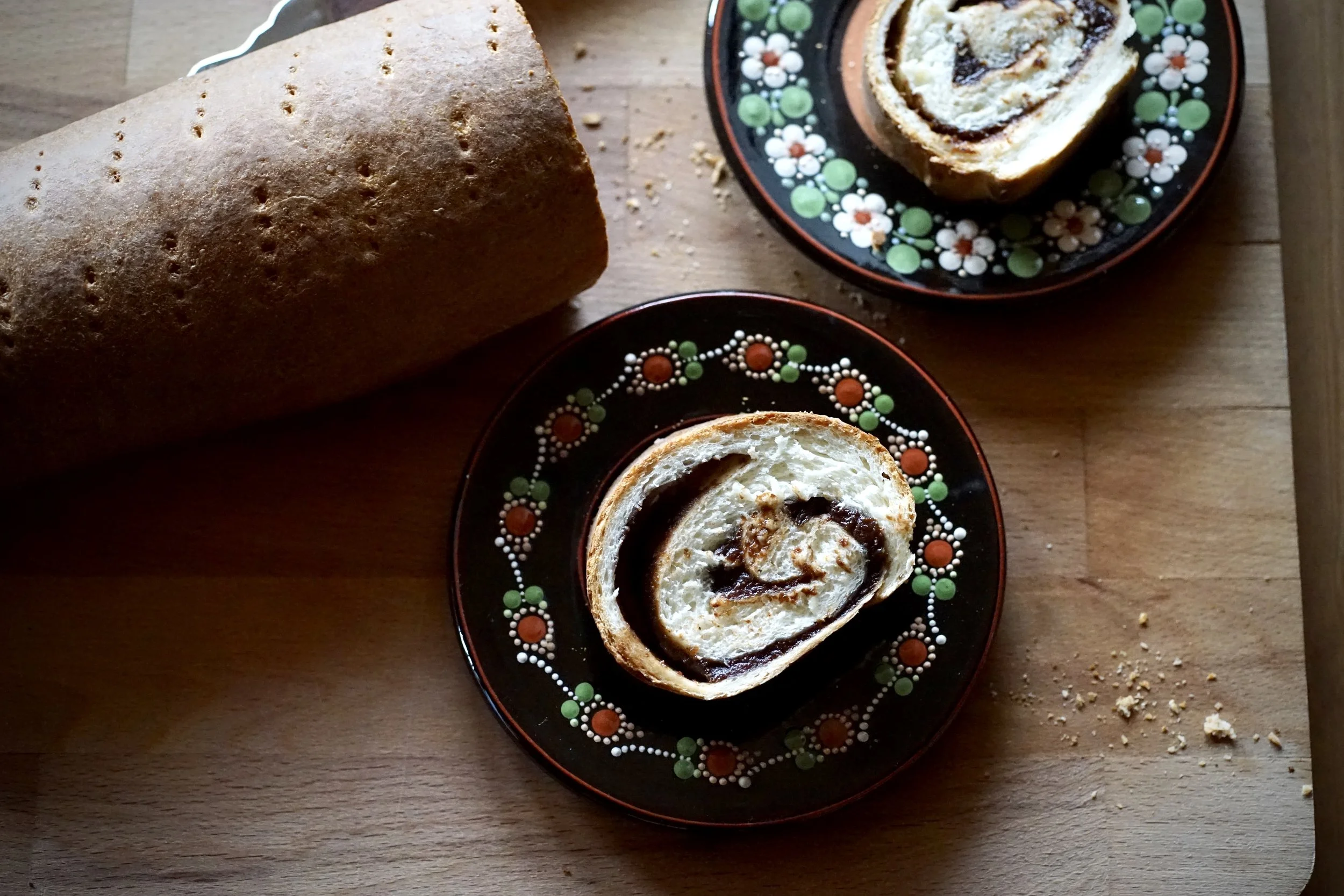
Fabiana's Lozärner Lebkuchen
Fabiana’s Lucernese gingerbread is a fan favourite among her five children, numerous grandchildren, and Sam’s family, who lived next door for over a decade.
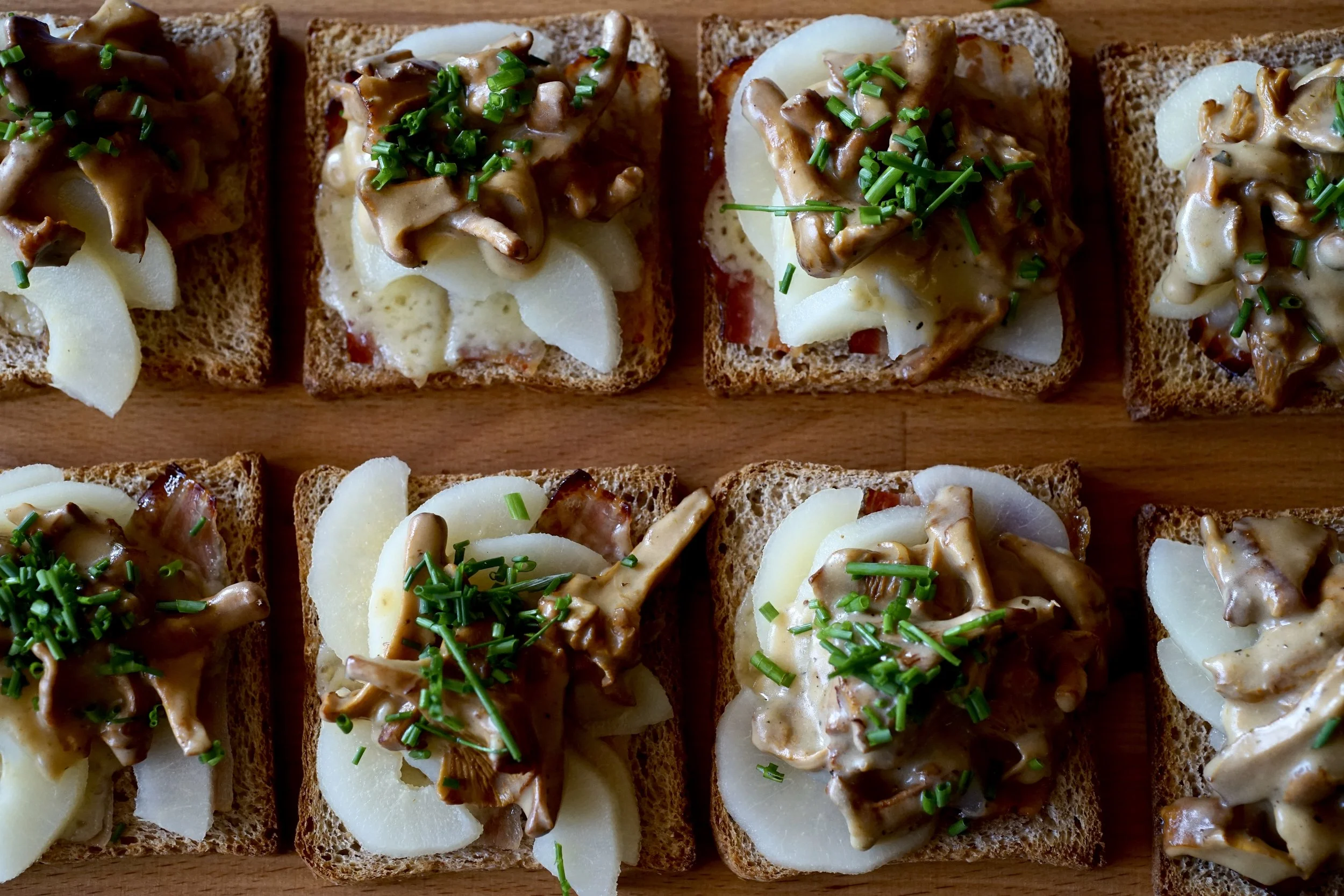
Entlebucher Försterschnitten
A versatile toast from the Entlebuch, sweet and savoury, where creamy mushrooms are the star of the show.
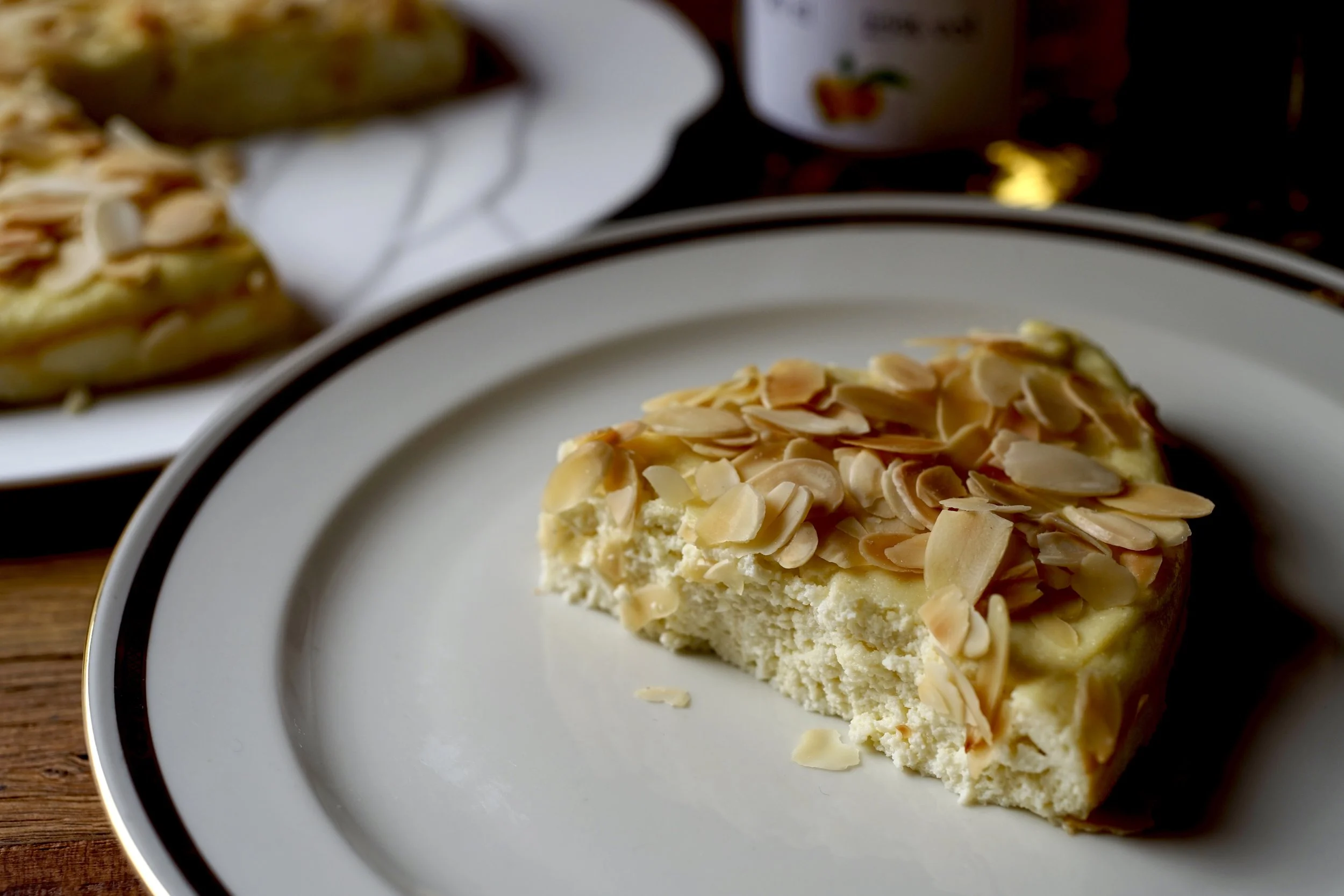
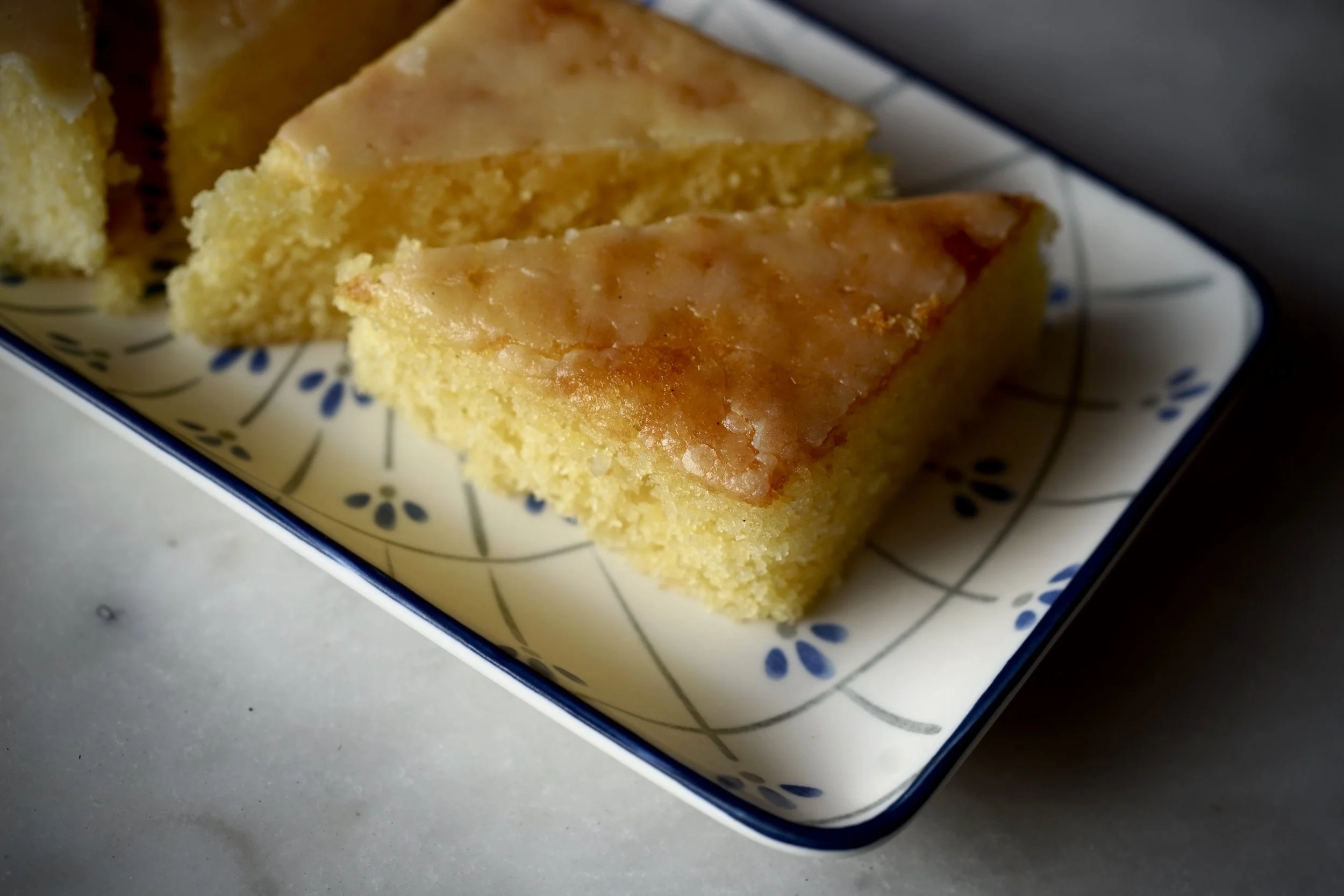
Zigercake
A light and lemony cake made with Ziger, a by-product of cheesemaking and similar to ricotta.
And my munchkin too—if she could choose, she might eat my pumpkin Älplermagronen every day of the week:
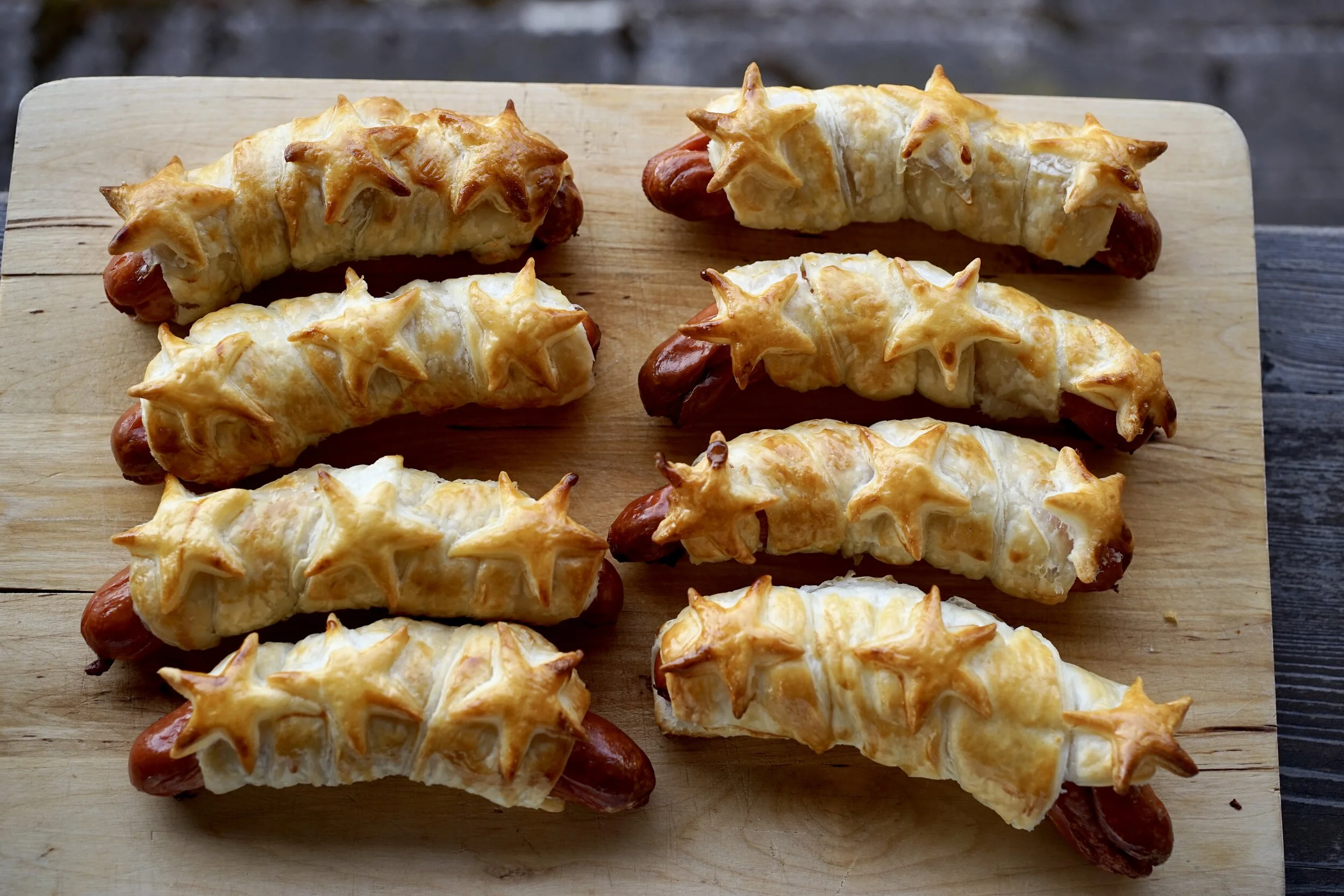
Wienerli im Teig
Another Swiss family favourite, these puff pastry swaddled sausages are simple, nostalgic, and delicious.
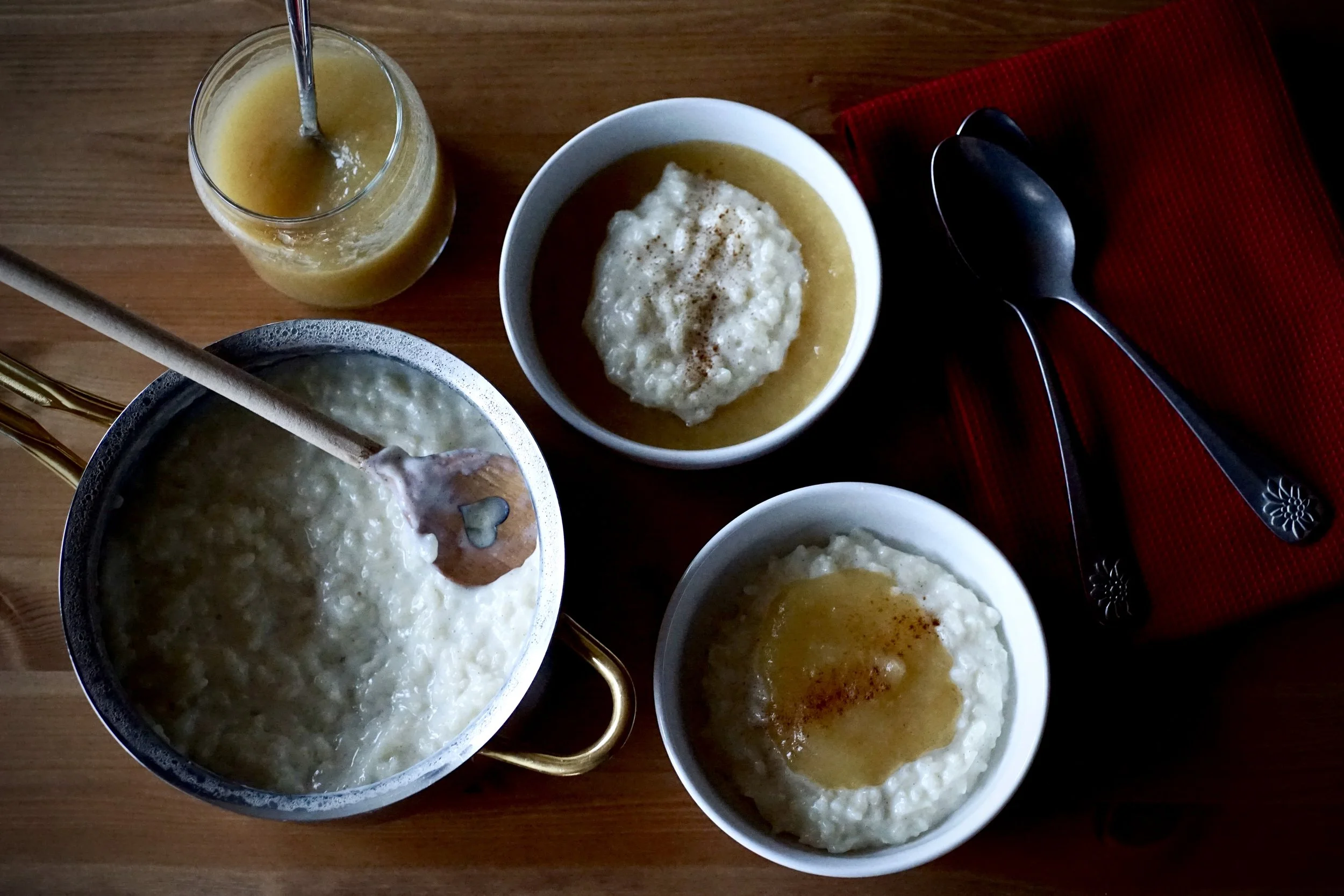
Milchreis
Rice pudding on a bed of applesauce and sprinkled with cinnamon sugar. Classic comfort food.
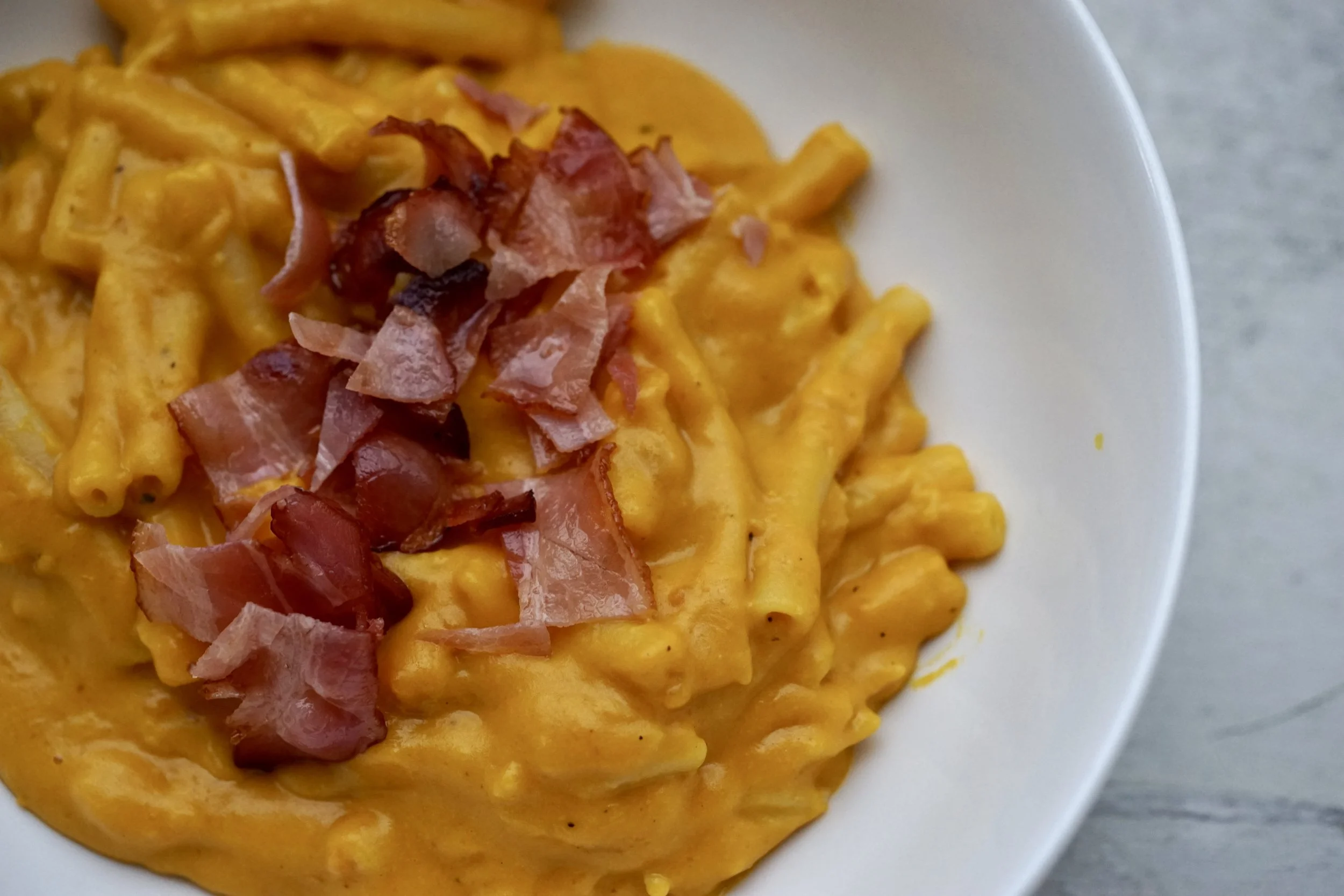
Pumpkin Älplermagronen
I've never seen my little Luusmeitschi devour something as rapidly as this gourd-y Älplermagrone.
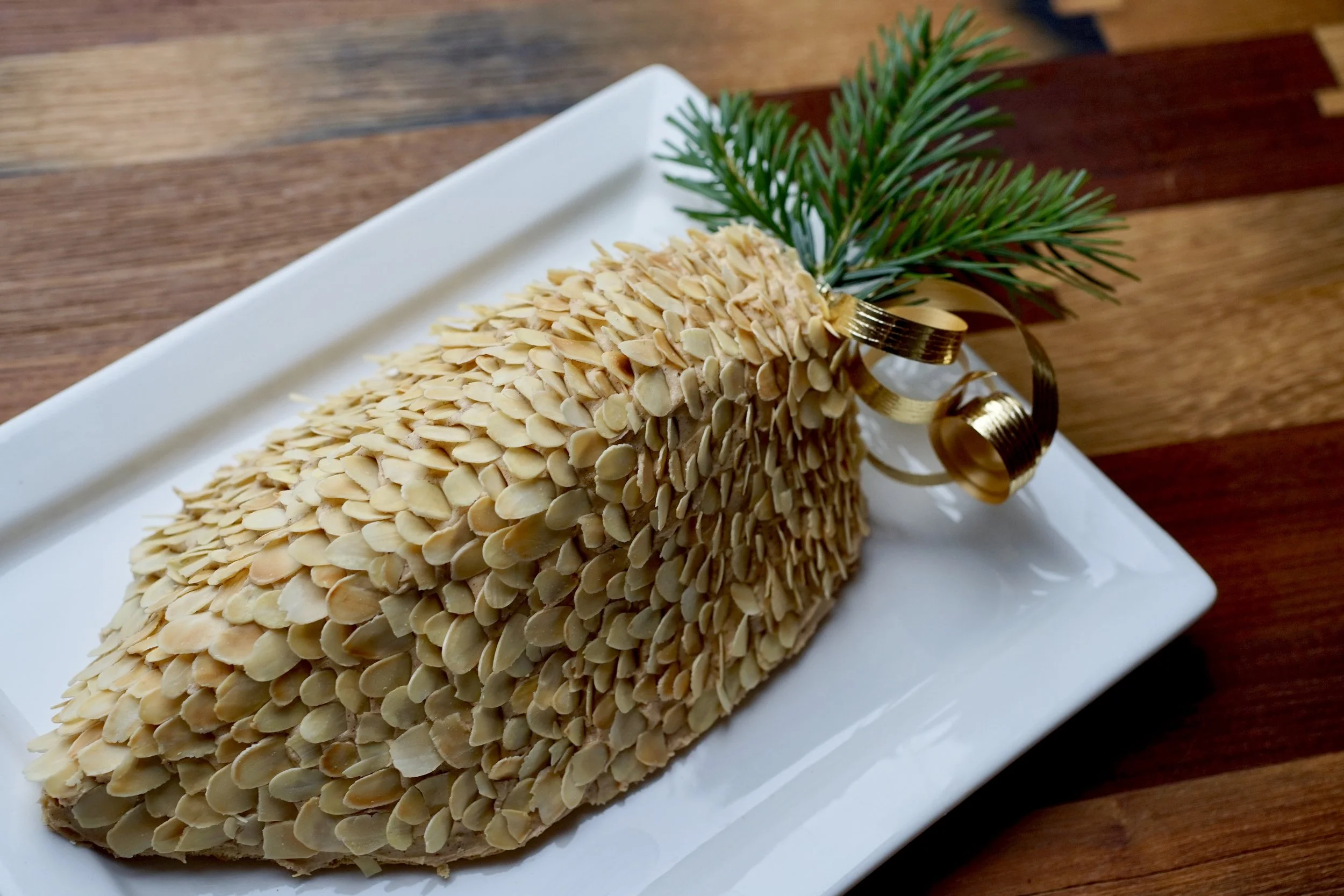
A few posts were time and labour intensive. The pine cone cake meant spending a whole afternoon arranging slivered almonds. The Chügelipastete had me build a dome from puff pastry and source sweetbreads, and the Baumkuchen meant painting layers and layers of batter and jam to create a tall cake covered in chocolate and resembling a tree trunk.
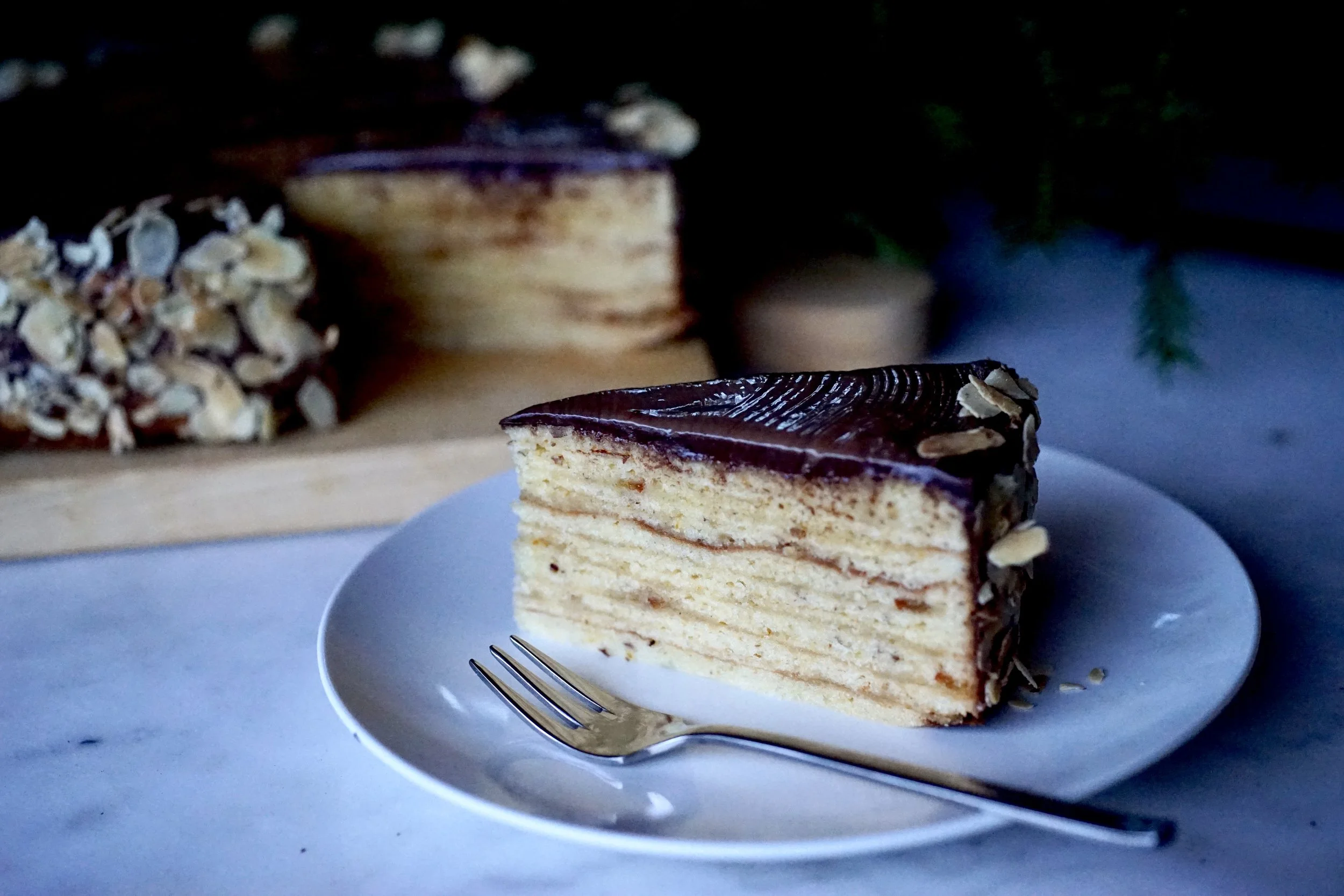
Baumkuchen
Baked slowly, layer by layer, the Baumkuchen, or tree cake, is a (delicious) afternoon’s work.
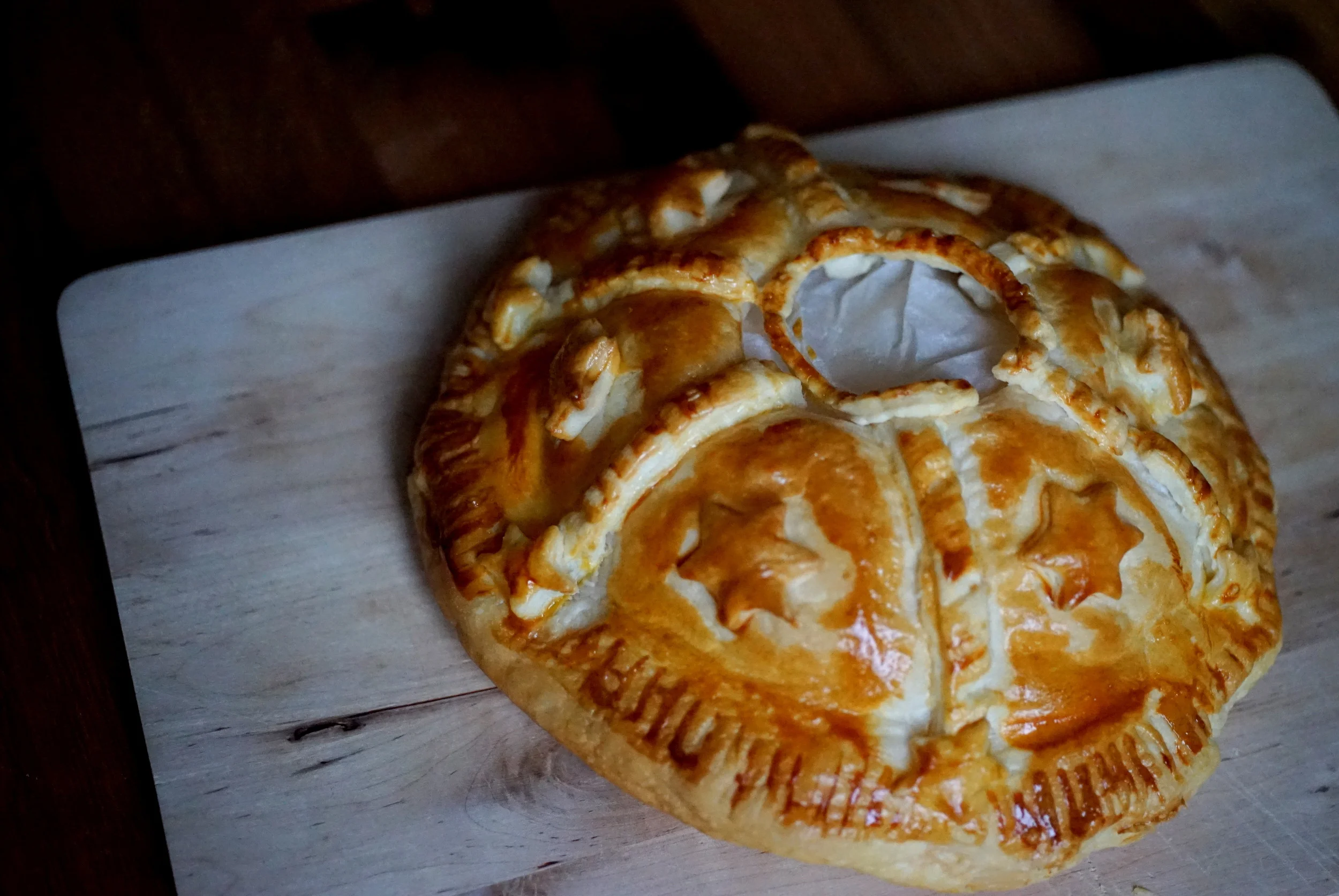
Lozärner Chügelipastete
In honour of Luzern’s carnival, this giant puff pastry dome is filled with creamy meats and raisins.
And of course there was the series of posts featuring the entire Wildteller, my favourite autumn meal.
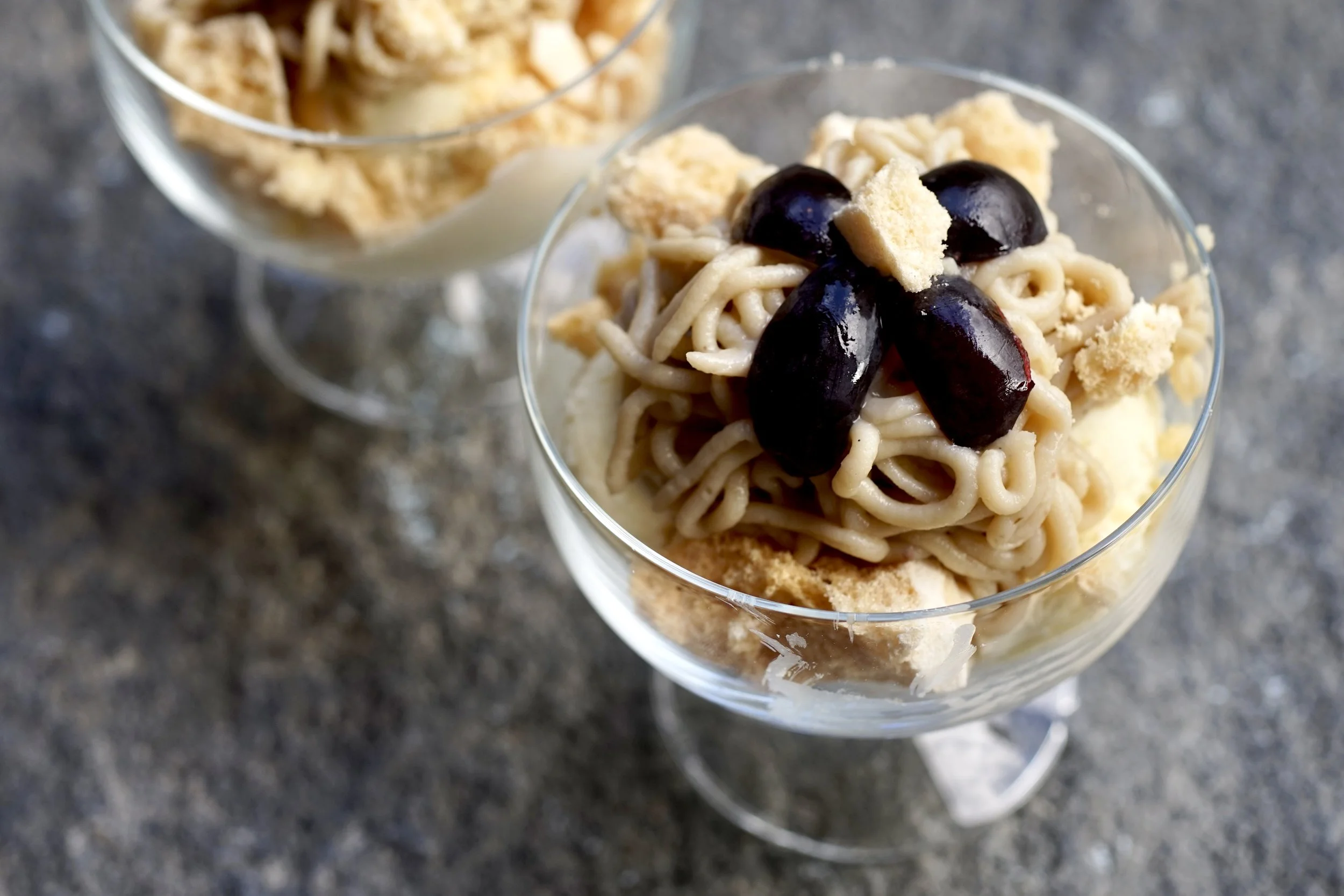
Coupe Nesselrode
The Coupe Nesselrode—vanilla ice cream, vermicelles, meringue and whipped cream—is an exquisite autumn sundae.
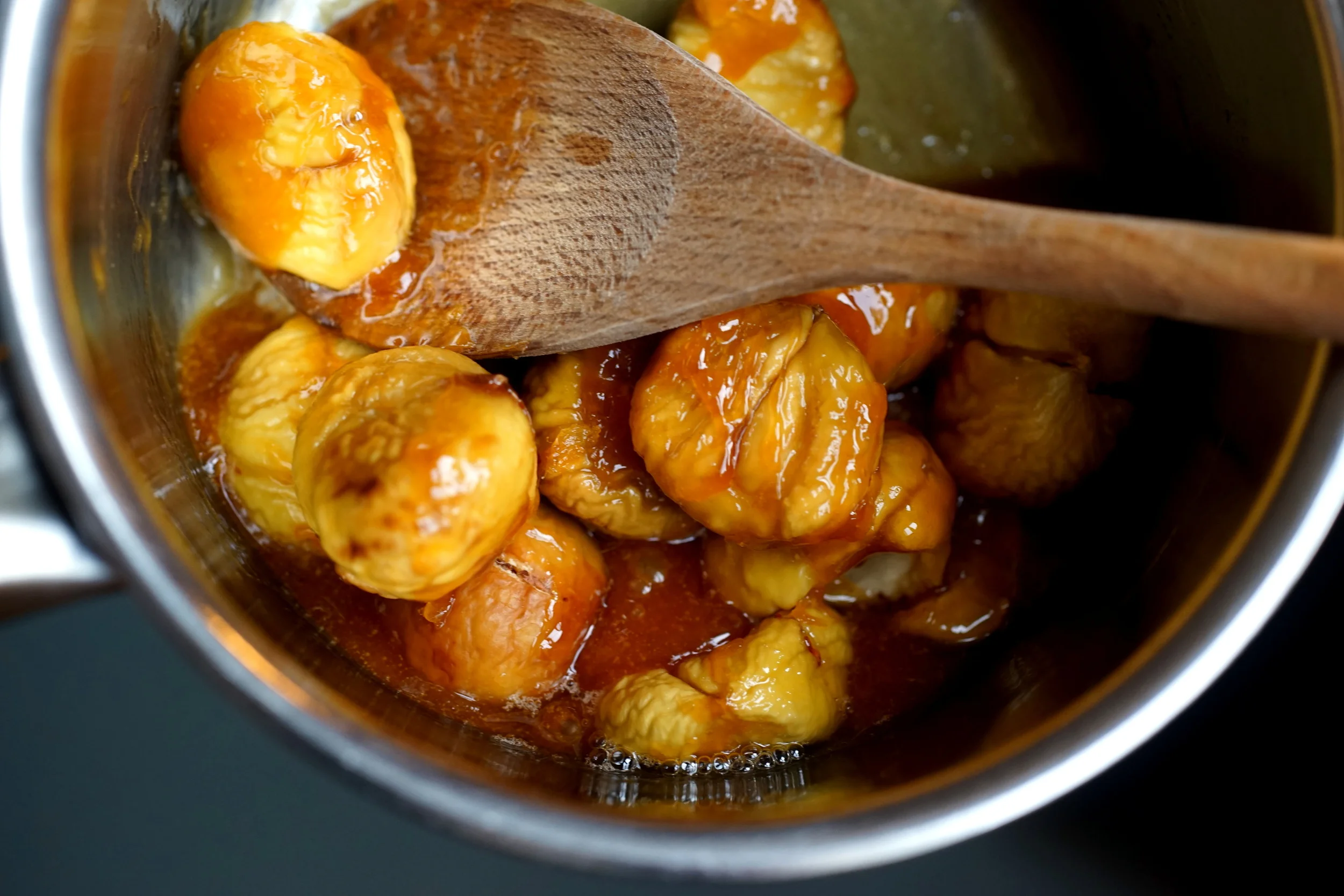
Glazed Chestnuts
These chestnuts, glazed with caramel, feature in the Wildteller.
(And they are excellent spooned over ice cream as well.)
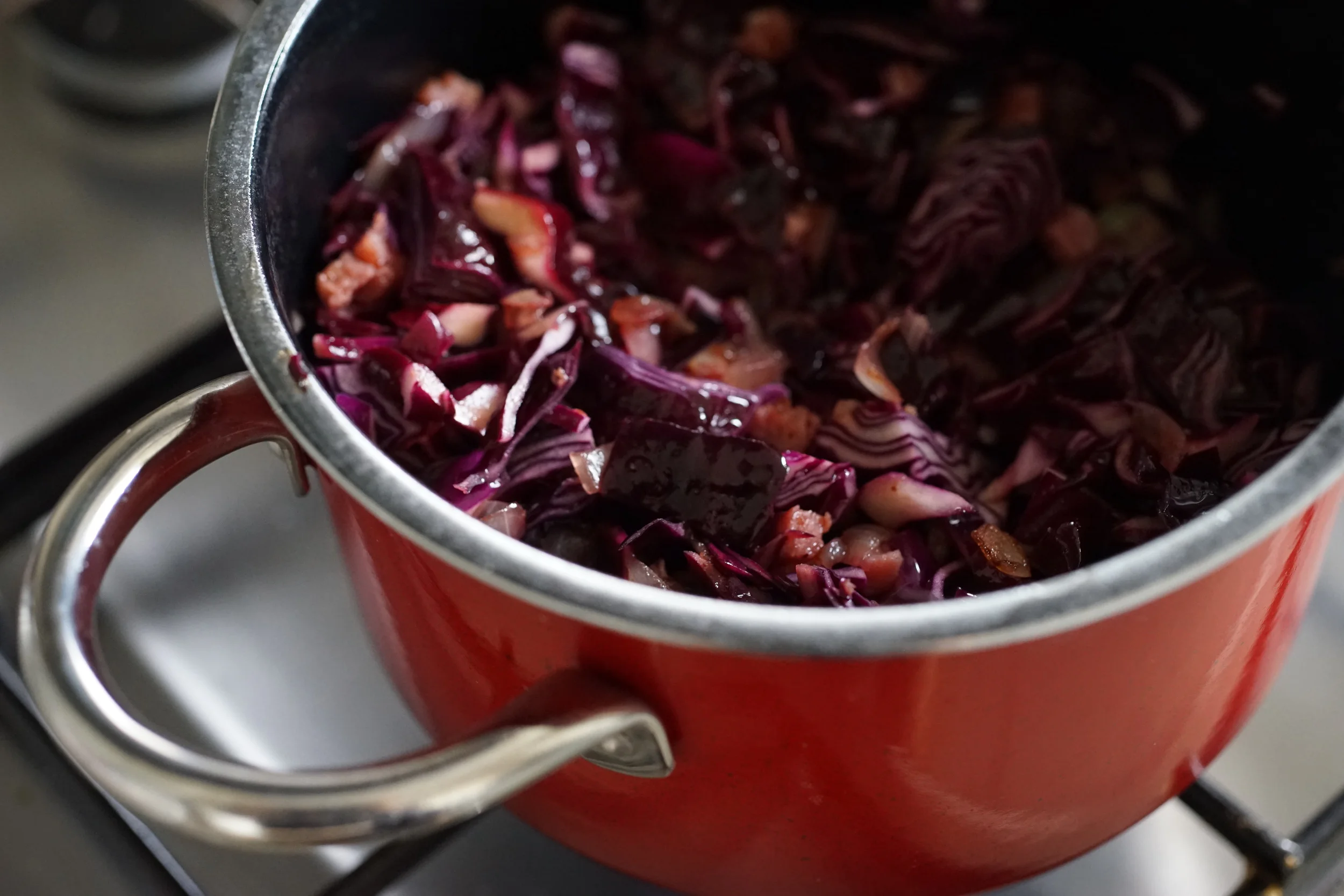
Rotkohl
Cabbage is an integral part of the Wild plate, as well as a great side dish at Christmas or Thanksgiving. This recipe produces a sweet and meaty cabbage that your intestines will hopefully be able to withstand.
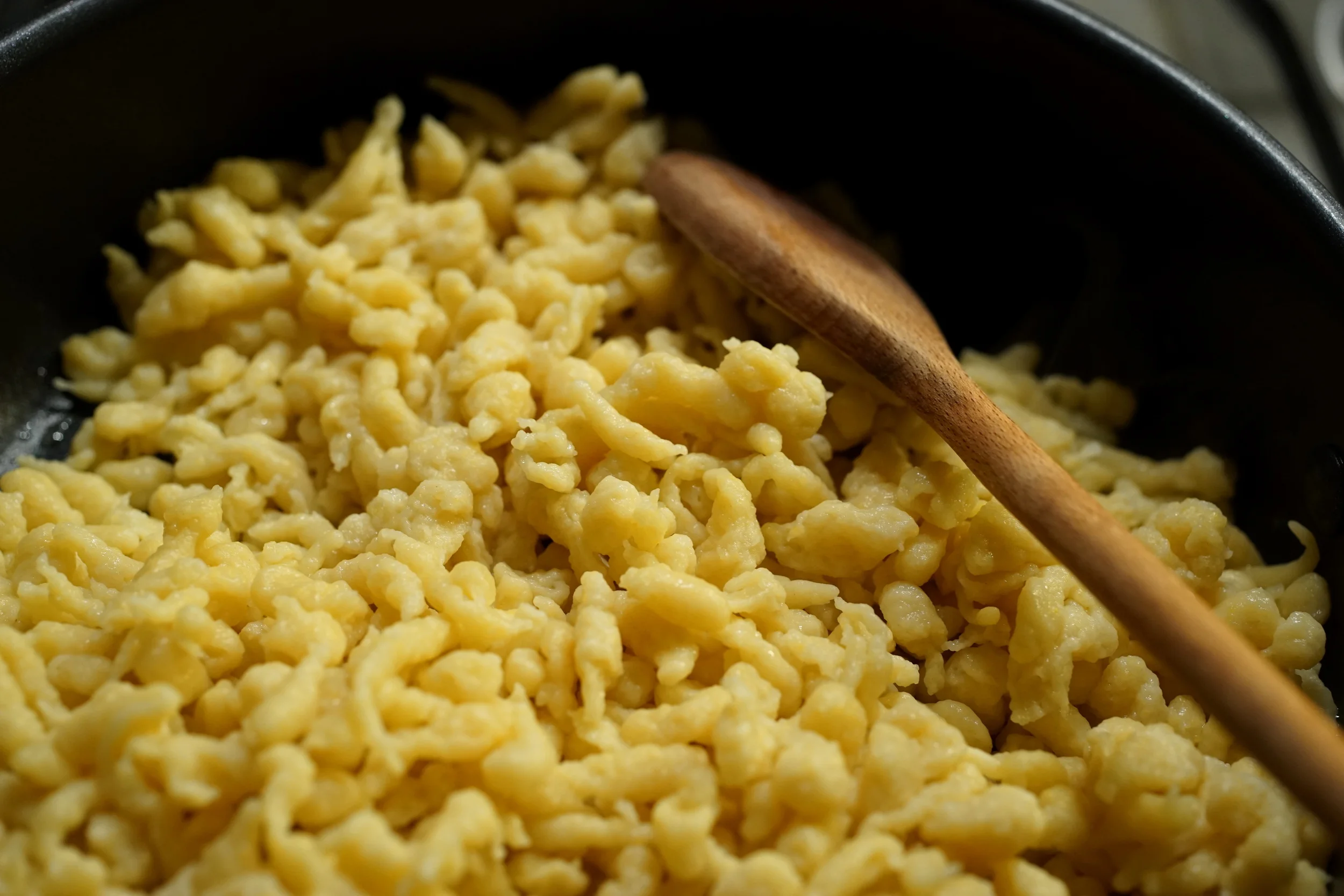
Spätzli
I'm sure my mother never tired of my requests for spätzli when I was a child. She would boil them up and serve them warm, with a saucy, meaty stew.
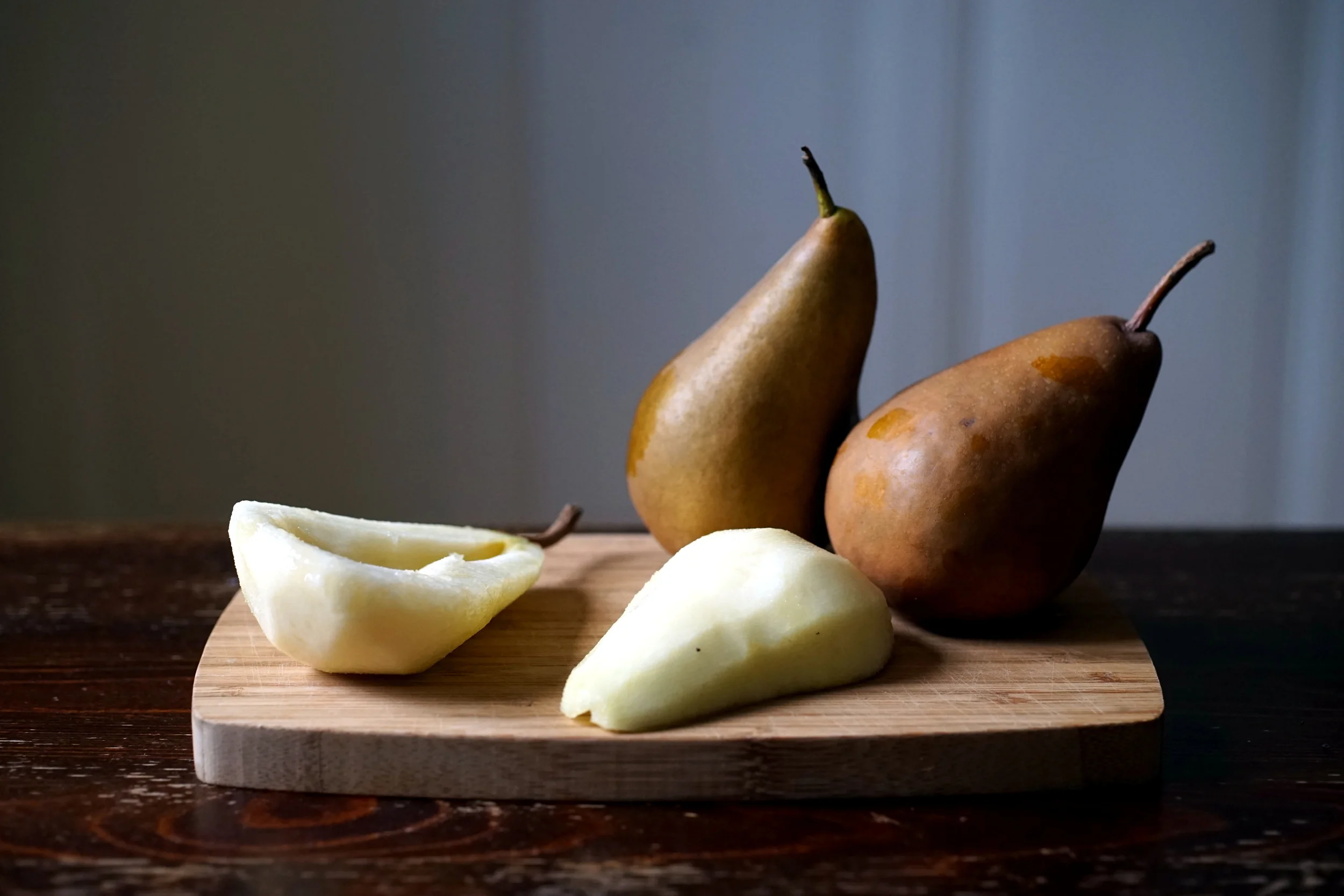
Poached Pears
Poached pears aren't just for dessert. On a Wildteller, they feature as one of the seasonal sides, with a daub of cranberry sauce in their center.
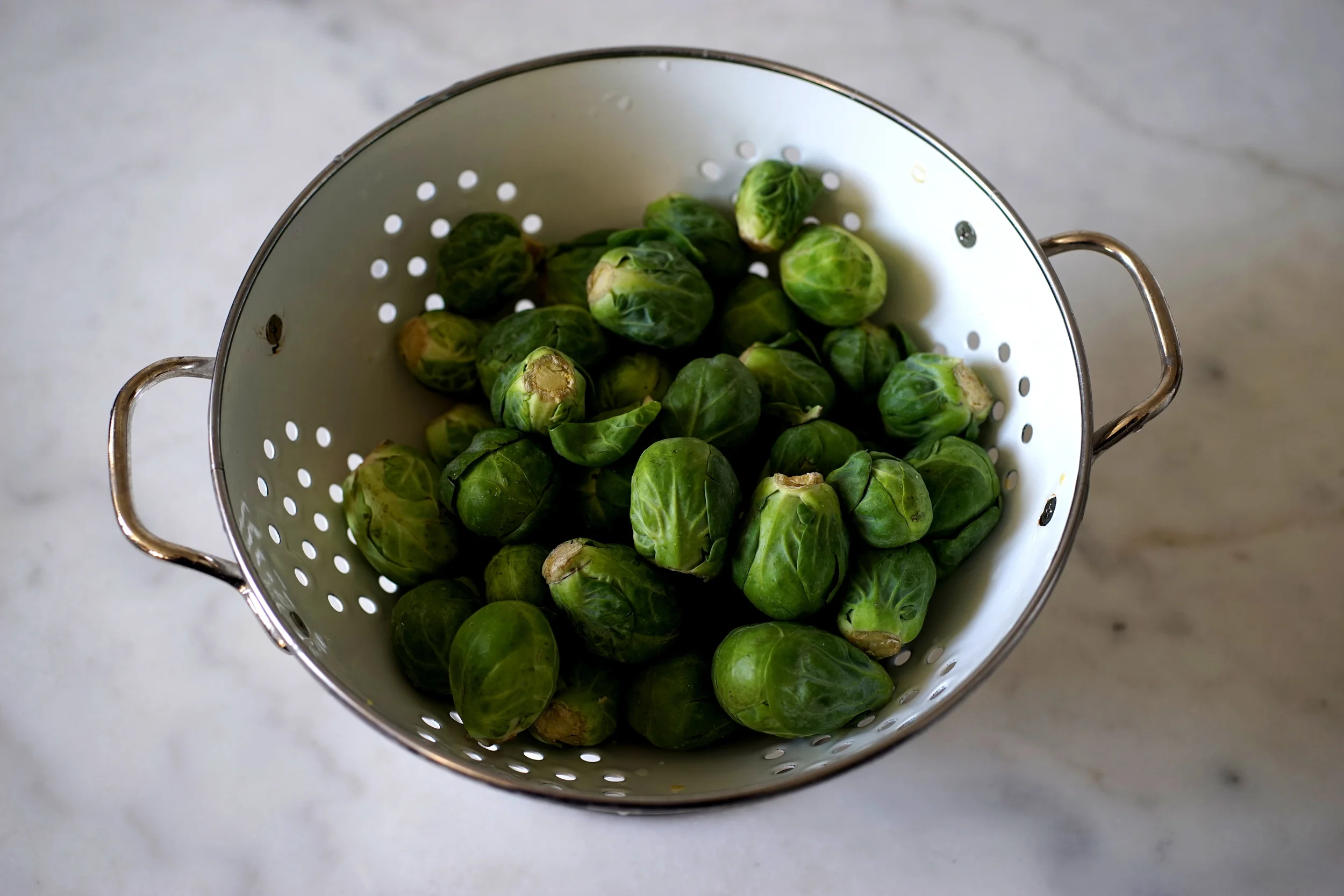
Butter Nut Brussels
These buttery brassica are improved with ground almonds and a swirl of butter.
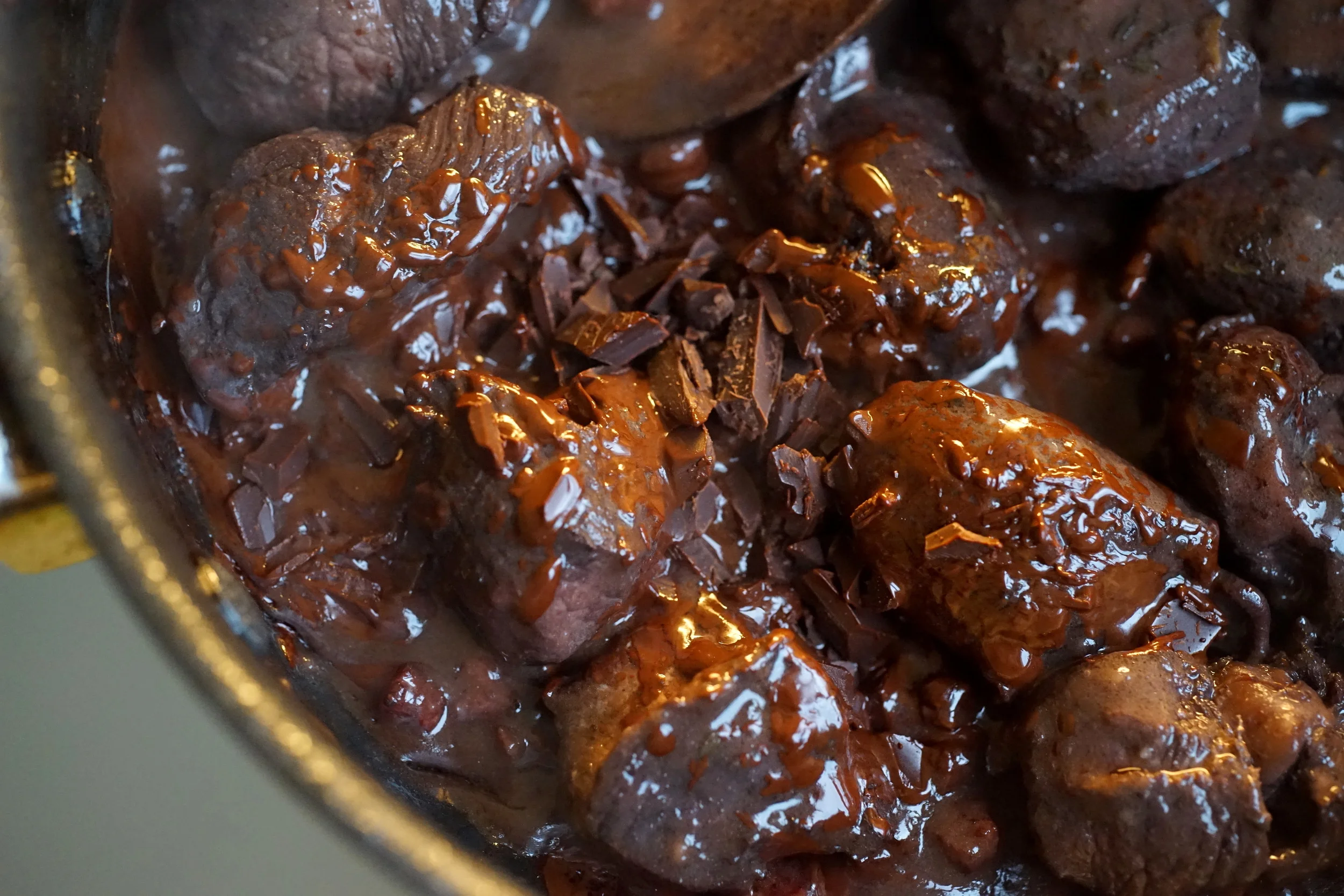

Bearinade
This marinade recipe comes from a Bernese cookbook from 1749. And it's for bear meat.
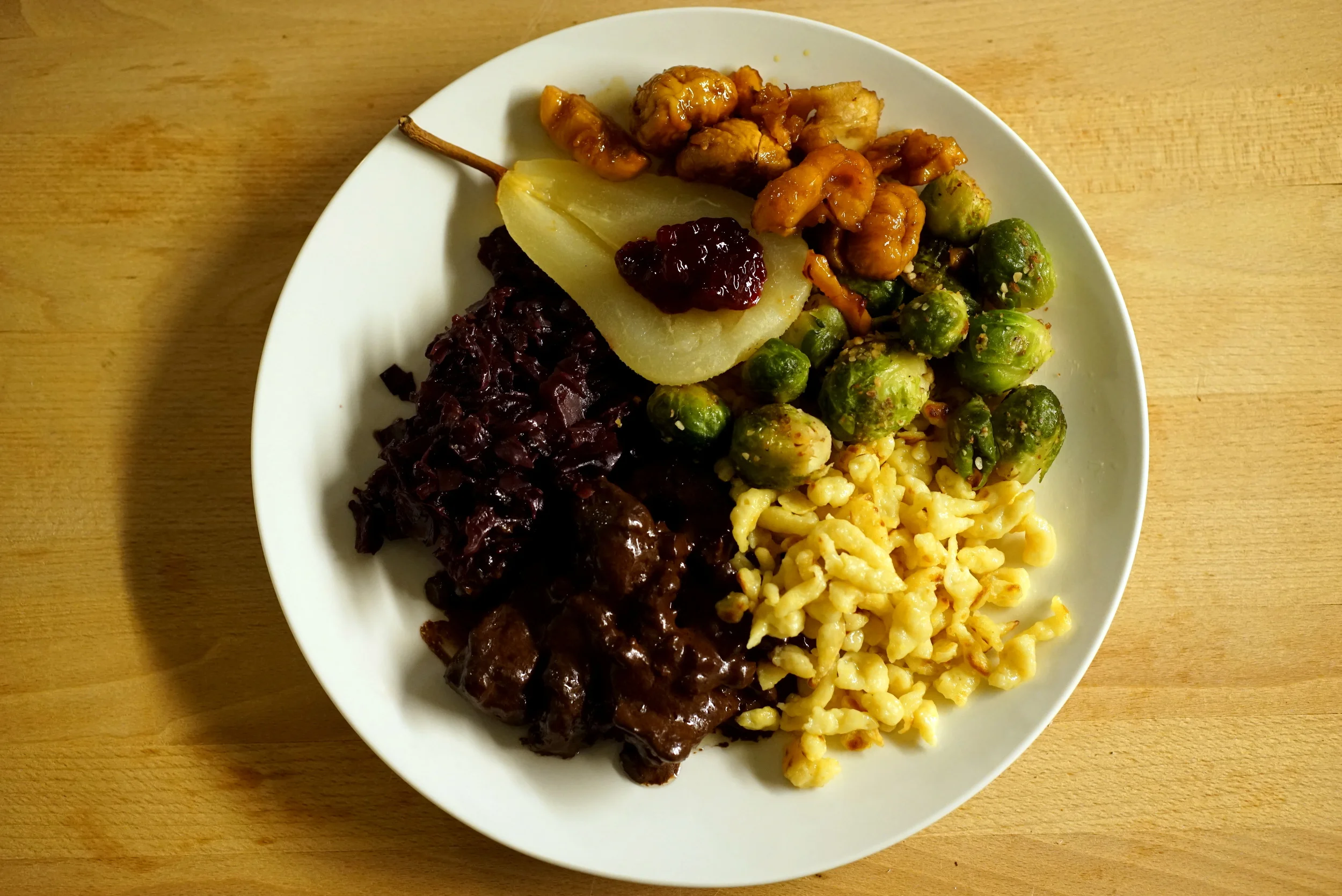
Wild
Wild is the German word for game (as in animals that you can hunt). Autumn is Wild season and restaurants all over Switzerland and central Europe prepare plates that feature game meats and traditional side dishes.
Of course a big thank you to my two guest post writers, my intrepid husband Sam (who is still obsessed with sloes) and Friedrich (whose Äntlibuecher Kafi consumption has remained steady since his post).
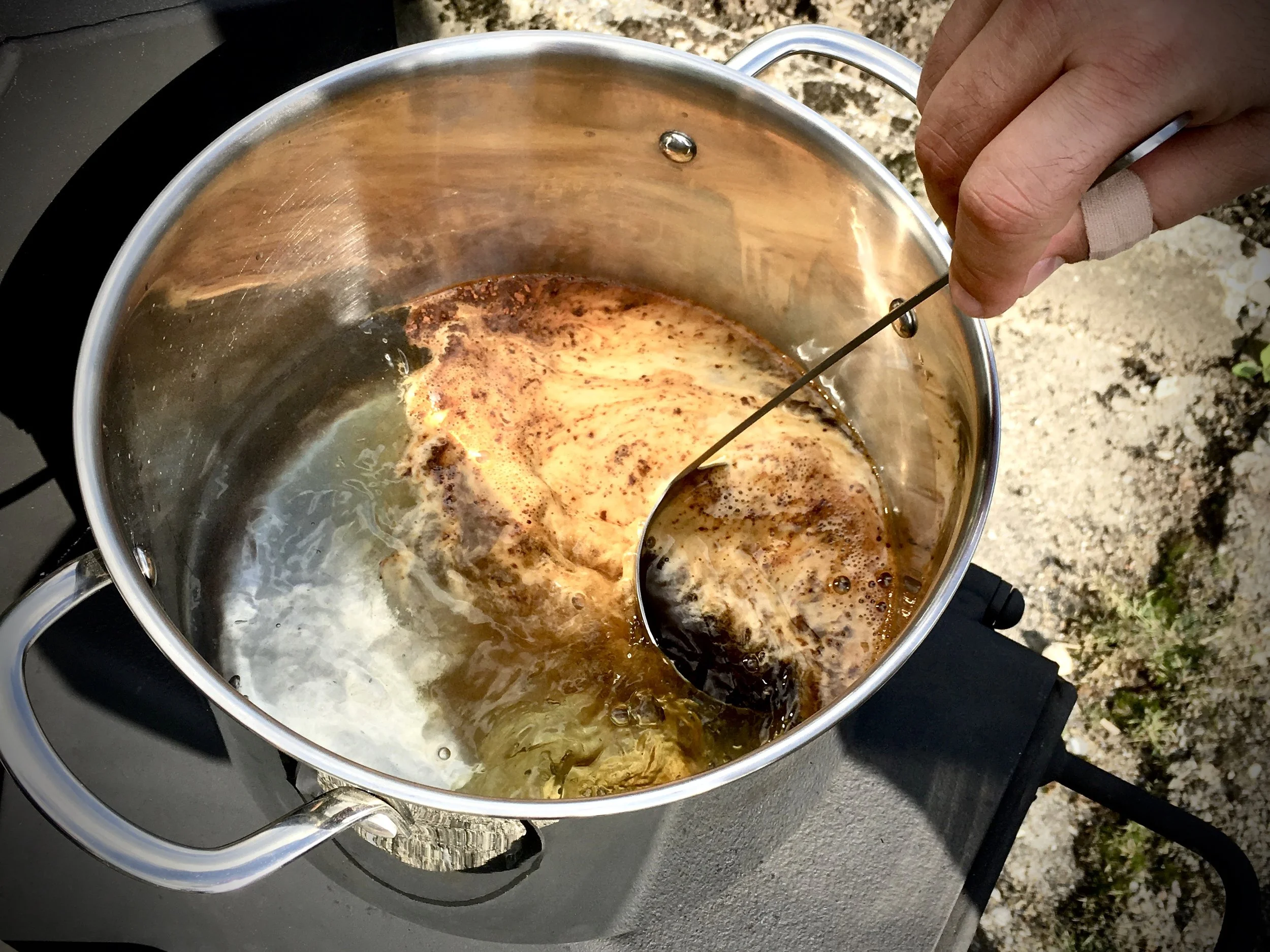
Äntlibuecher Kafi
I’m delighted to introduce my friend Friedrich Studer, who wrote this guest post on how to make a perfect Schwarze, boozy coffee from the Entlebuch.
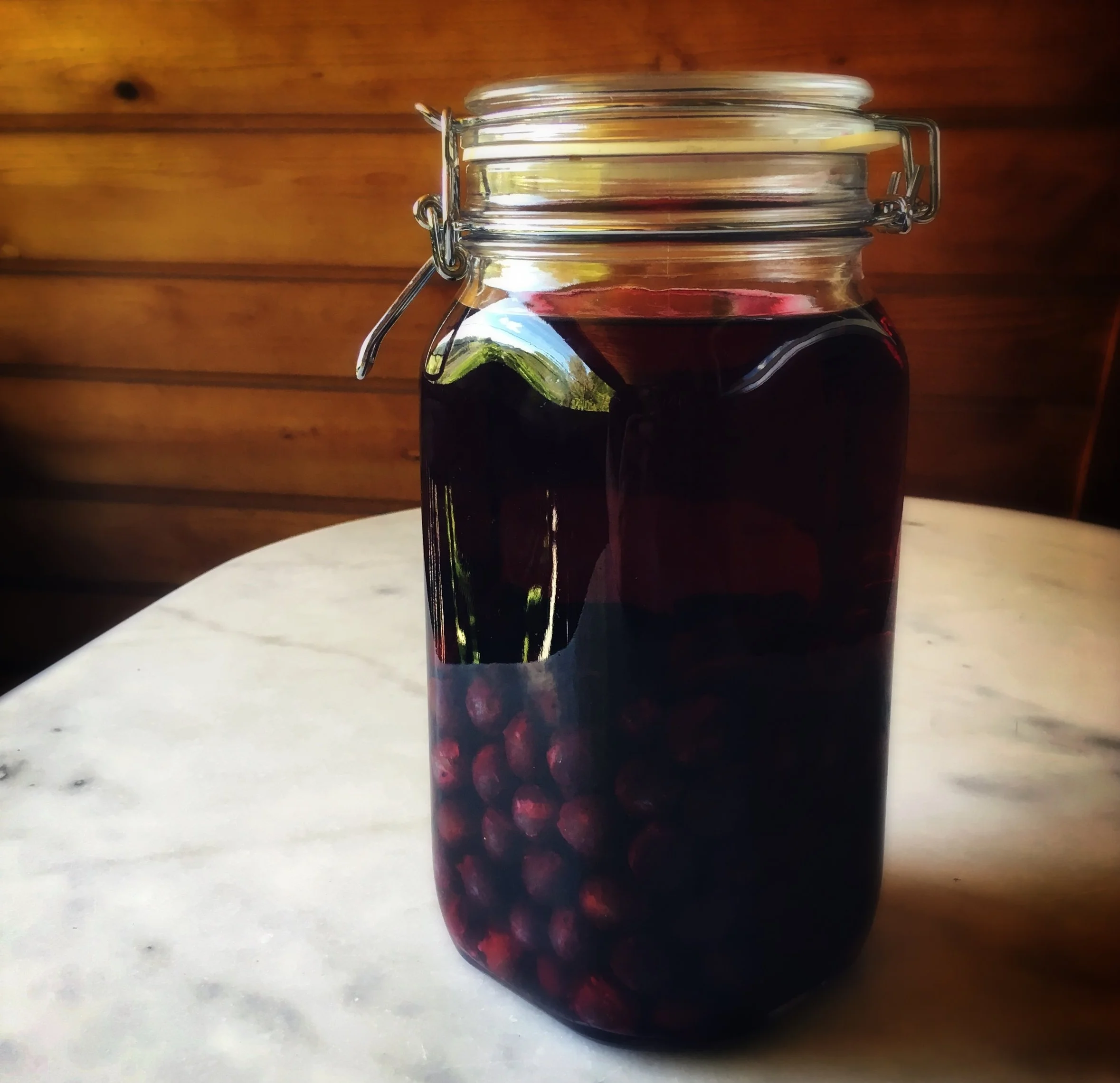
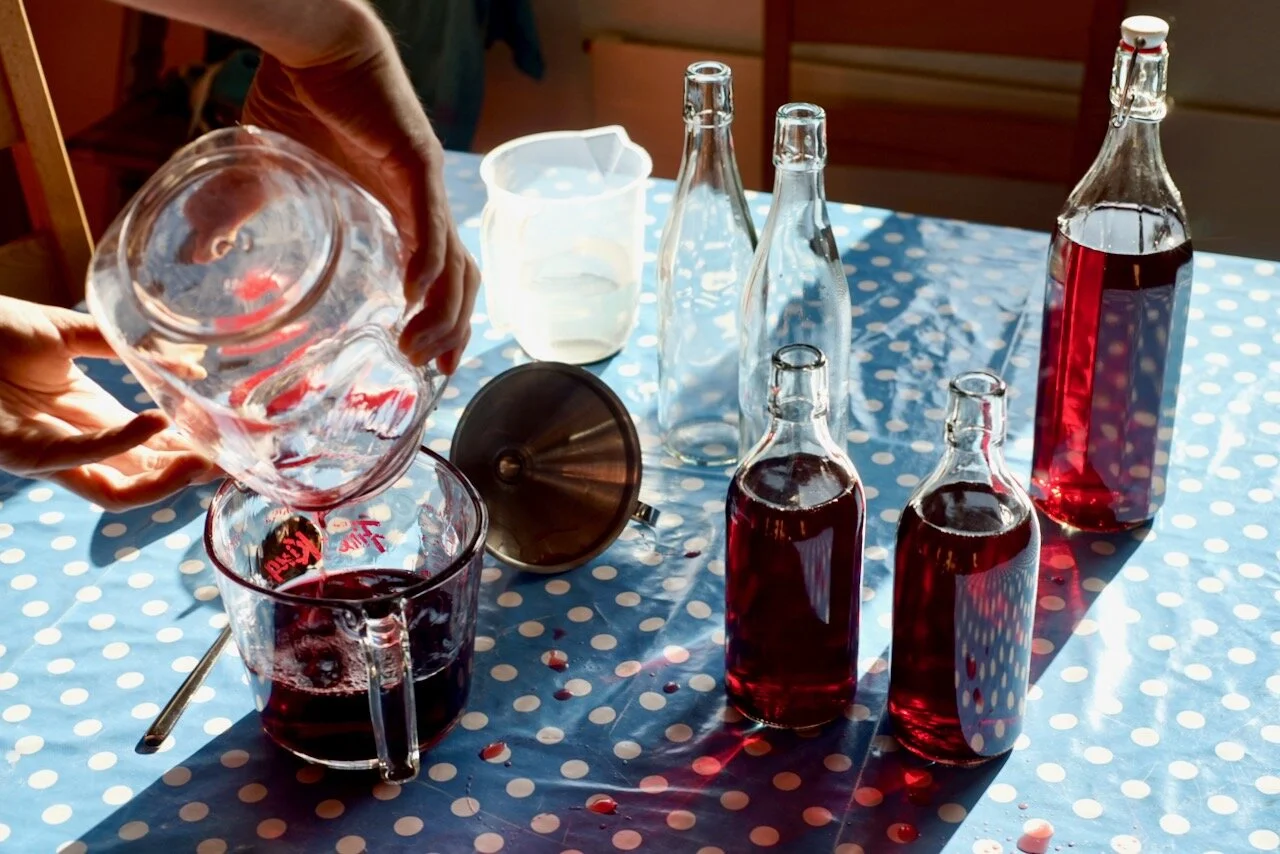
Sloe Gin
Adventures in making sloe gin, a guest post by my husband Sam, in which he reveals our household motto: as long as it’s plummy, it’s bound to be yummy.
And, for the future?
I still have plenty of recipes to tackle. Stay tuned for Nidelkuchen (I did it! It’s here!), one that we have been trying to get right since 2011, long before I had even dreamed of the blog, and something called drunken spaghetti which involves the use of a fondue pot and a LOT of cheese.
Thanks again for reading!
PS. and thanks to the cheese-lover who let me know that this chicken chateau exists: Pouletburg